 English
 中文简体
中文简体 Español
 عربى
عربى русский
Fire resistance rating of aluminum composite panels
The fire resistance rating of aluminum composite panels is a crucial indicator of their fire performance. According to the national standard GB/T8624-2012 "Classification of Burning Performance of Building Materials," the fire resistance ratings of aluminum composite panels are divided into the following levels:
1. B1: Flame-retardant material
2. B2: Combustible material
3. B3: Flammable material
Among them, B1 is the nationally mandated standard for building decoration. Some special locations, such as high-rise buildings, hotels, and hospitals, have higher fire resistance requirements and typically require the use of B1-level or higher aluminum composite panels.
The following methods can improve the fire resistance rating of aluminum composite panels:
1. Using flame-retardant core materials: The core material of aluminum composite panels can be either flame-retardant or non-flame-retardant. Using flame-retardant core materials can effectively improve the fire resistance rating of aluminum composite panels.
2. Adding a fire-retardant coating: Applying a fire-retardant coating to the surface of the aluminum composite panel can improve its fire resistance rating.
3. Thickened aluminum plate: Increasing the thickness of the aluminum plate can also improve the fire resistance rating of aluminum-plastic composite panels.
-
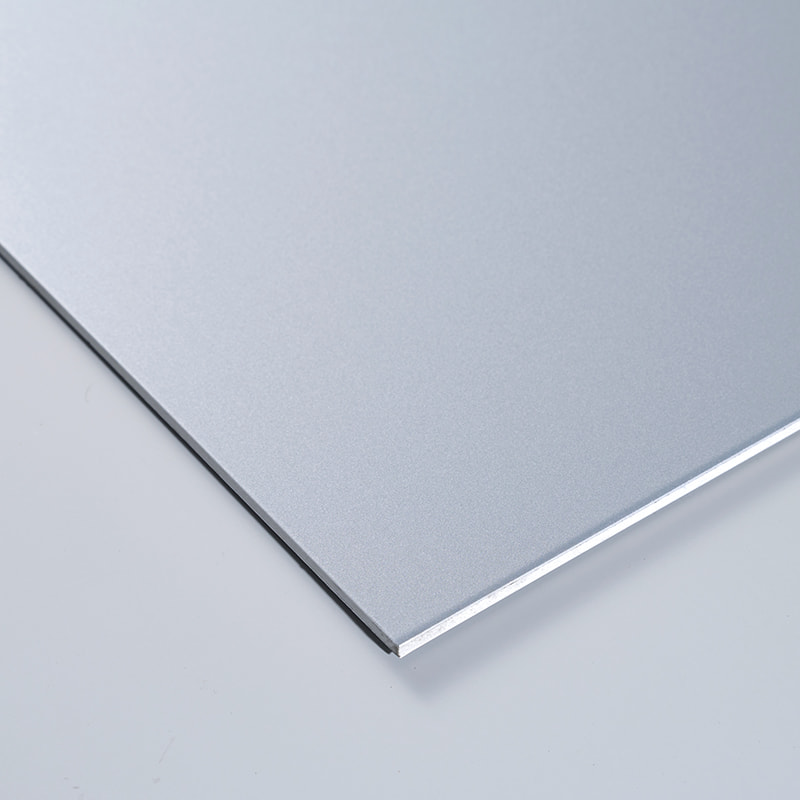
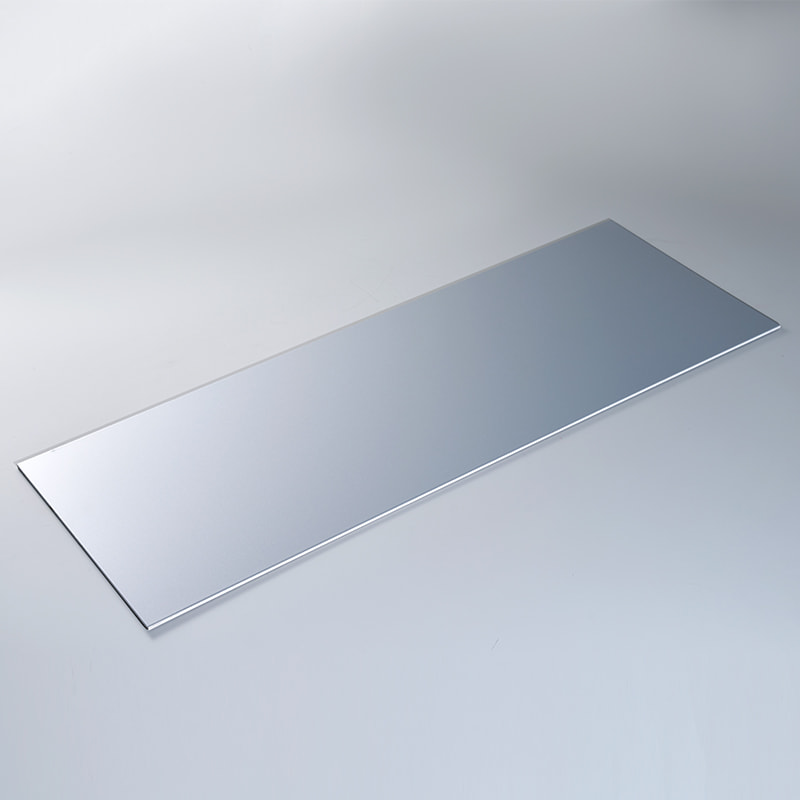 B1 Fire Rated Aluminum Composite Panel
 -
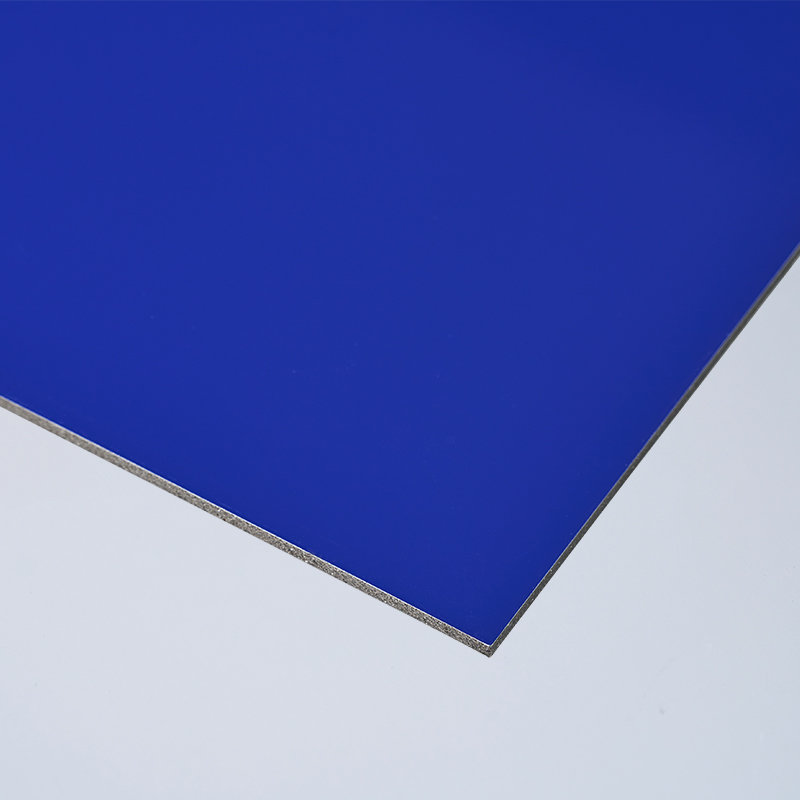
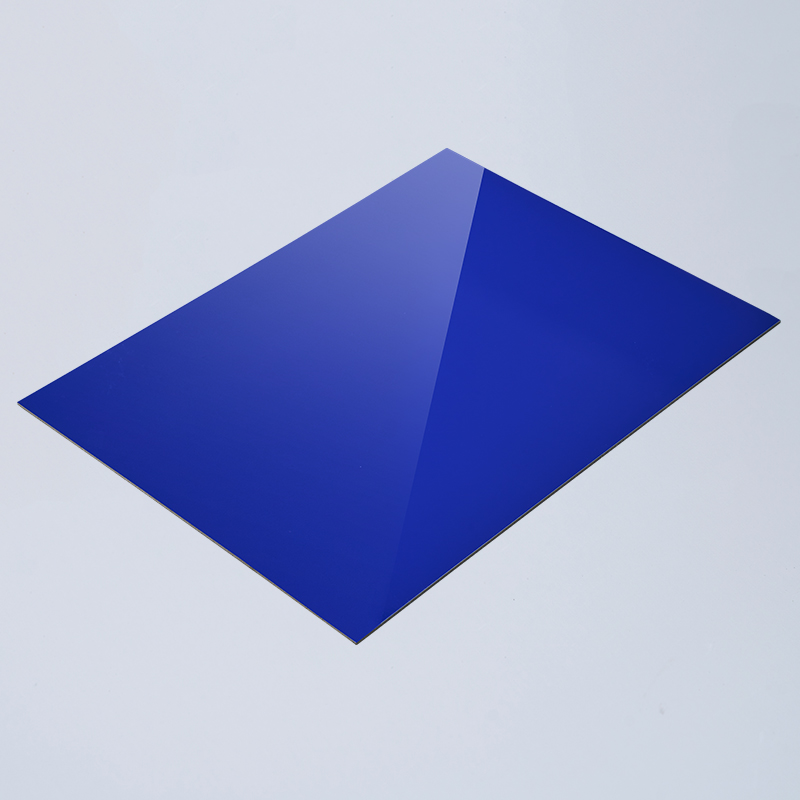 Light Box Signage Aluminum Composite Panel
 -
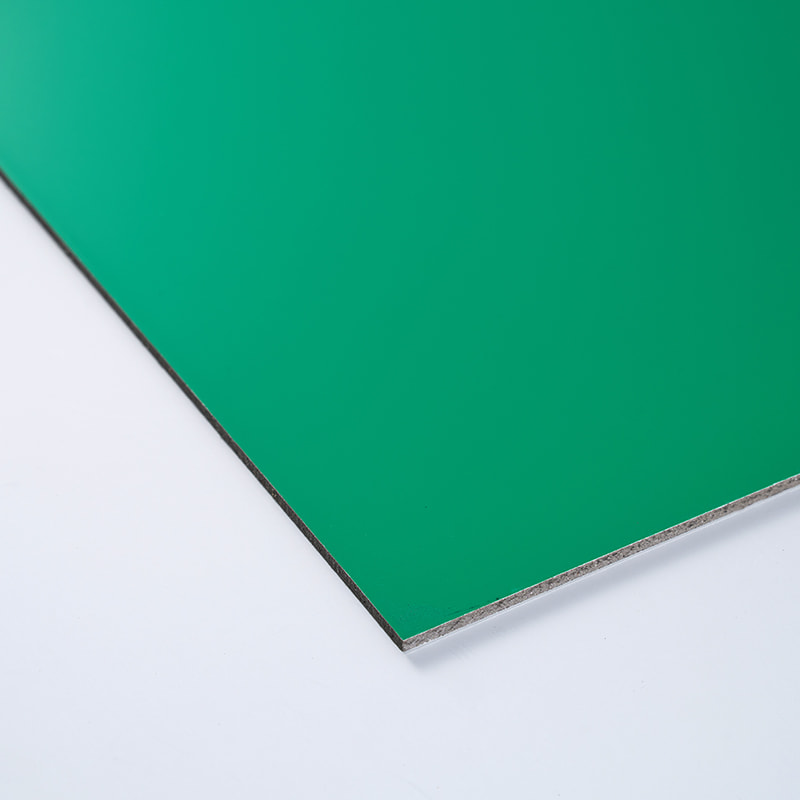
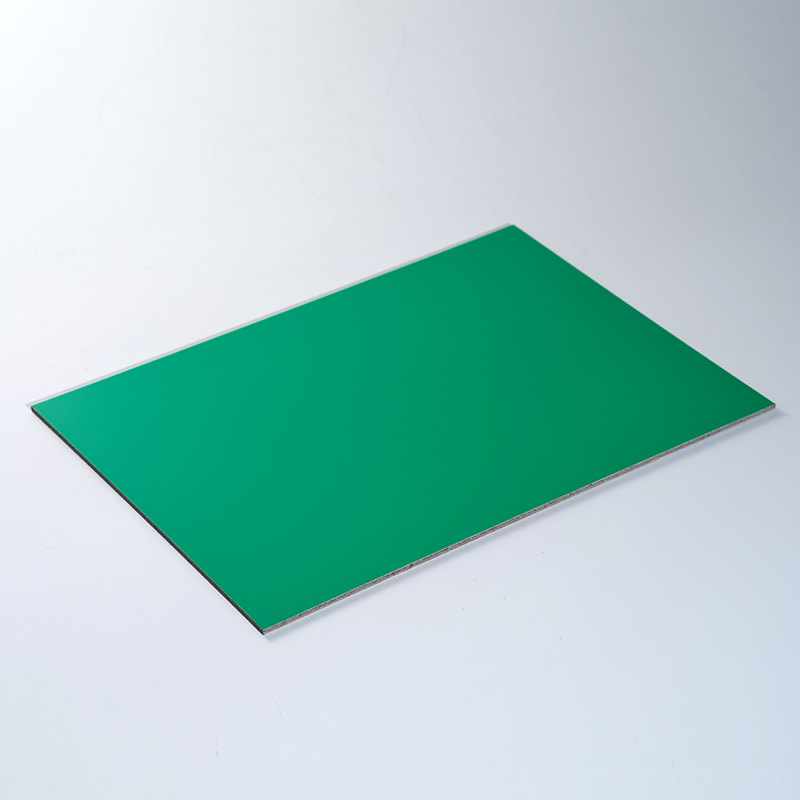 General Signage Aluminum Composite Panel
 -
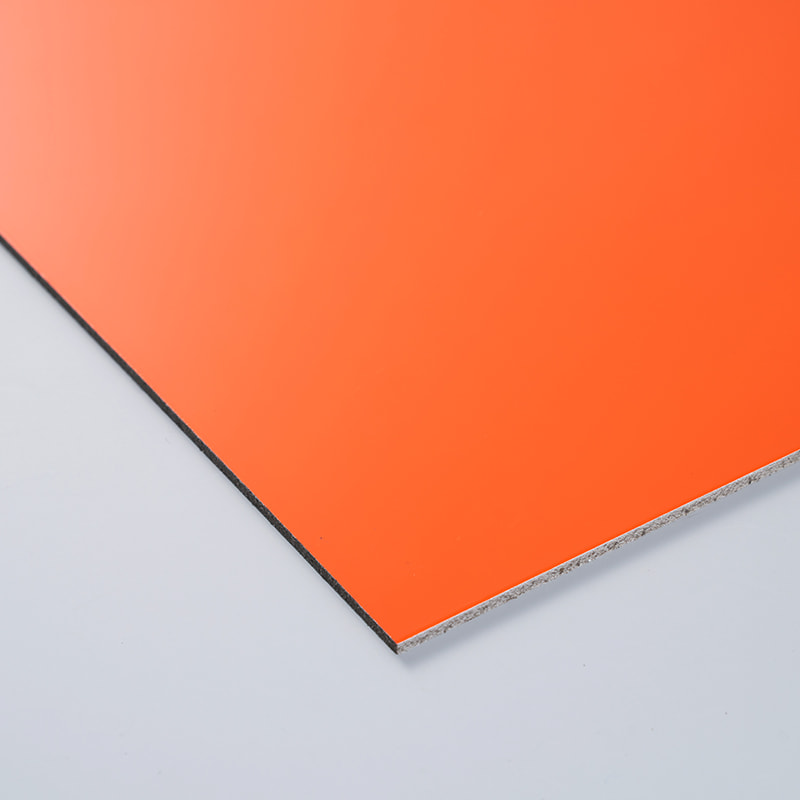
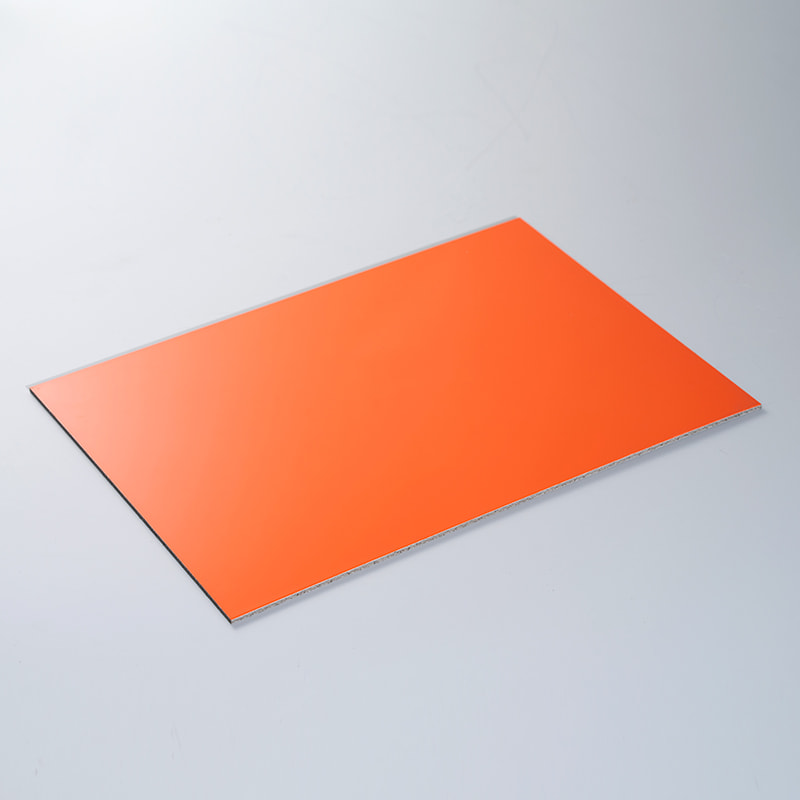 PE Aluminum Composite Panel
 -
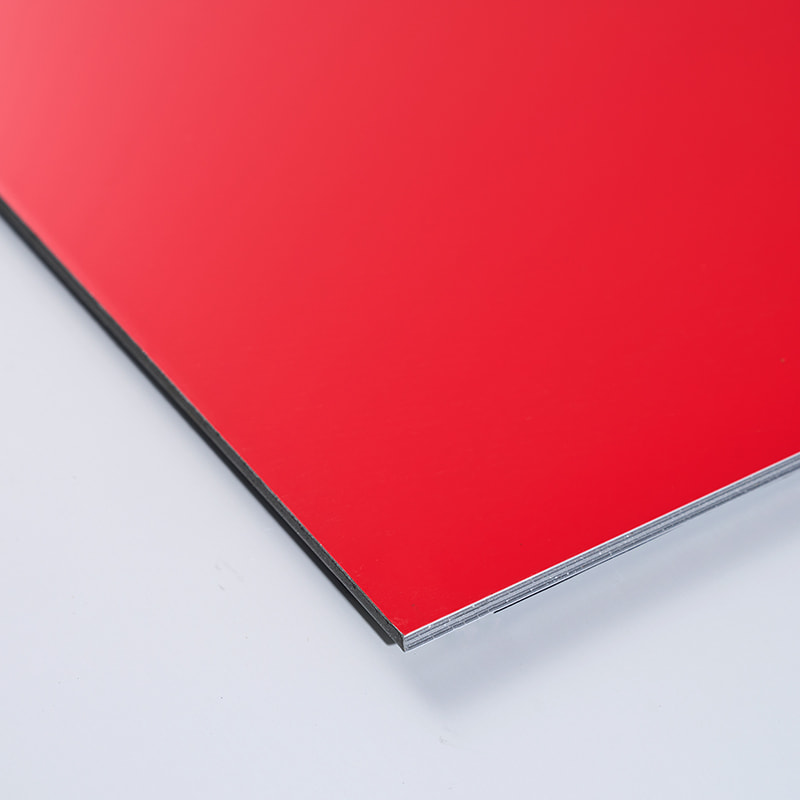
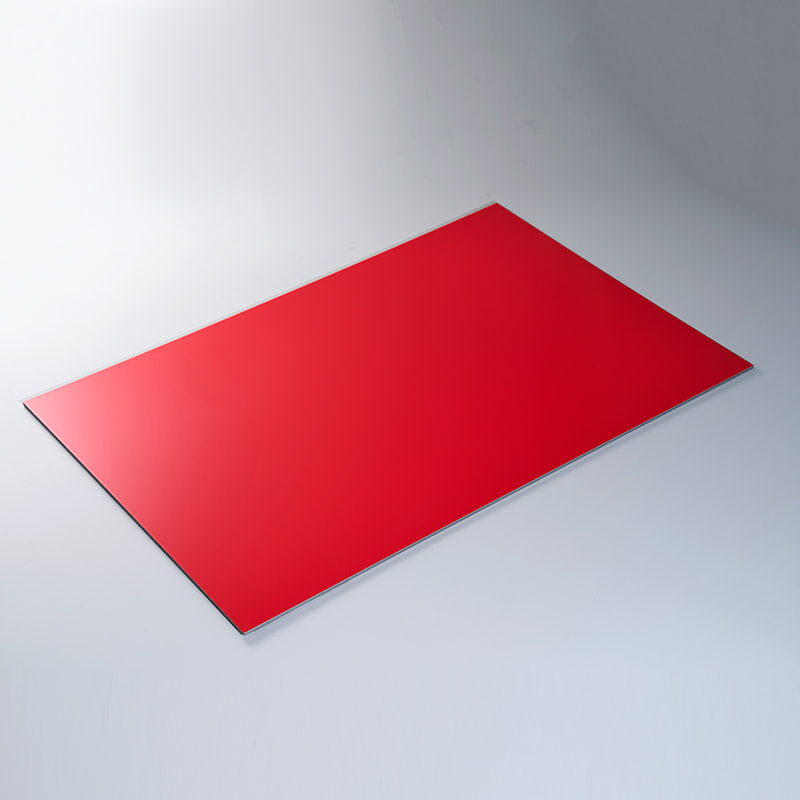 PVDF Aluminum Composite Panel
 -
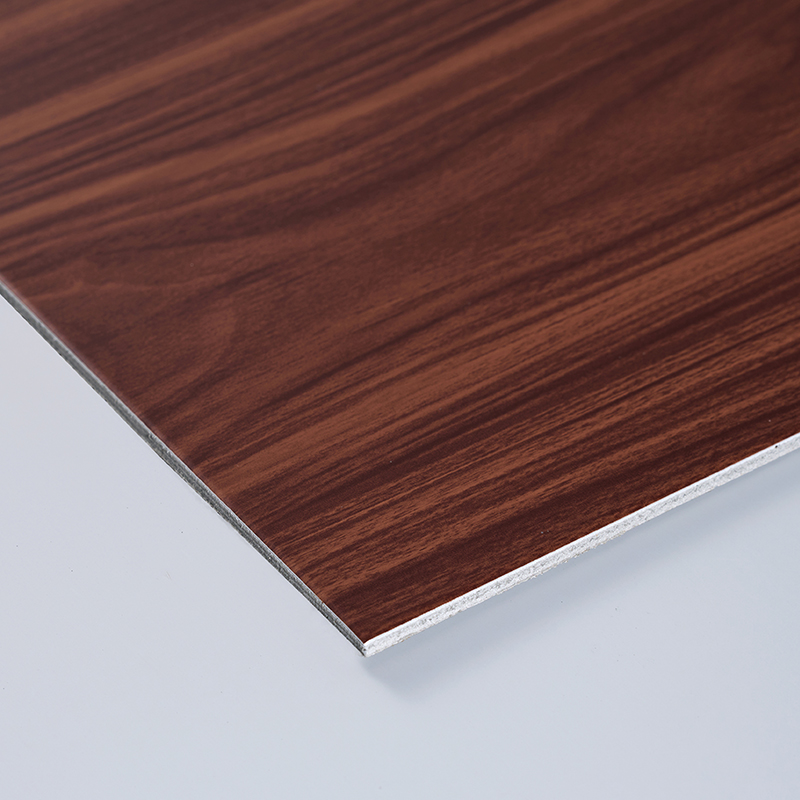
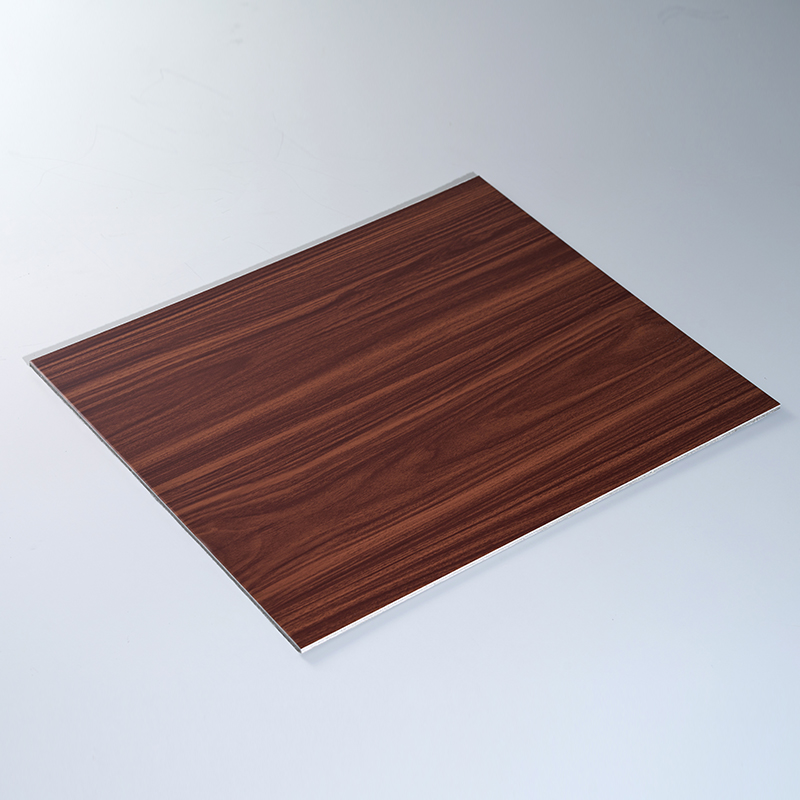 Wood-Grain Aluminum Composite Panel
 -
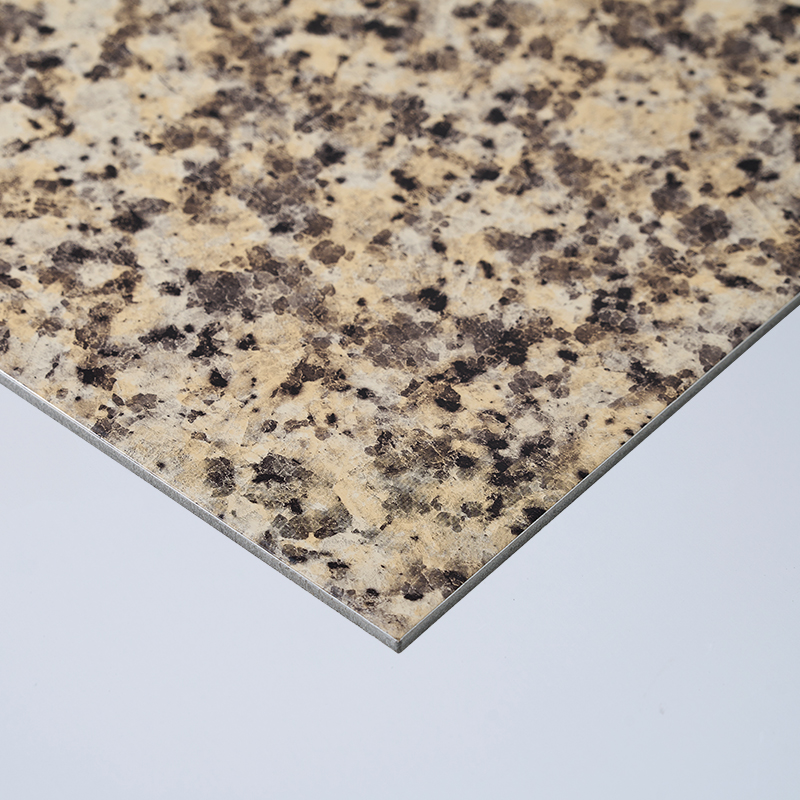
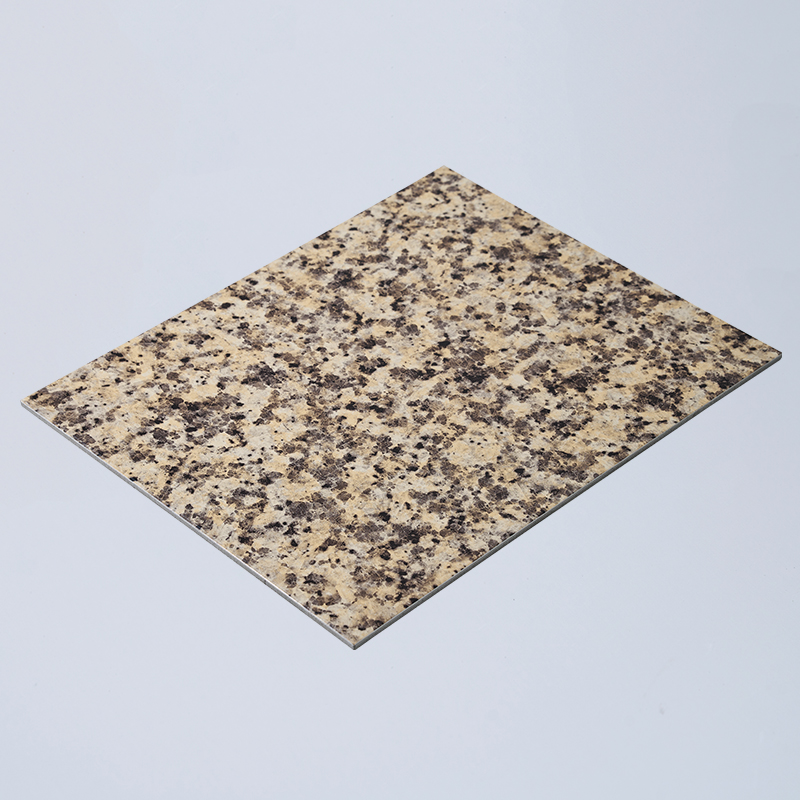 Granite Finish Aluminum Composite Panel
 -
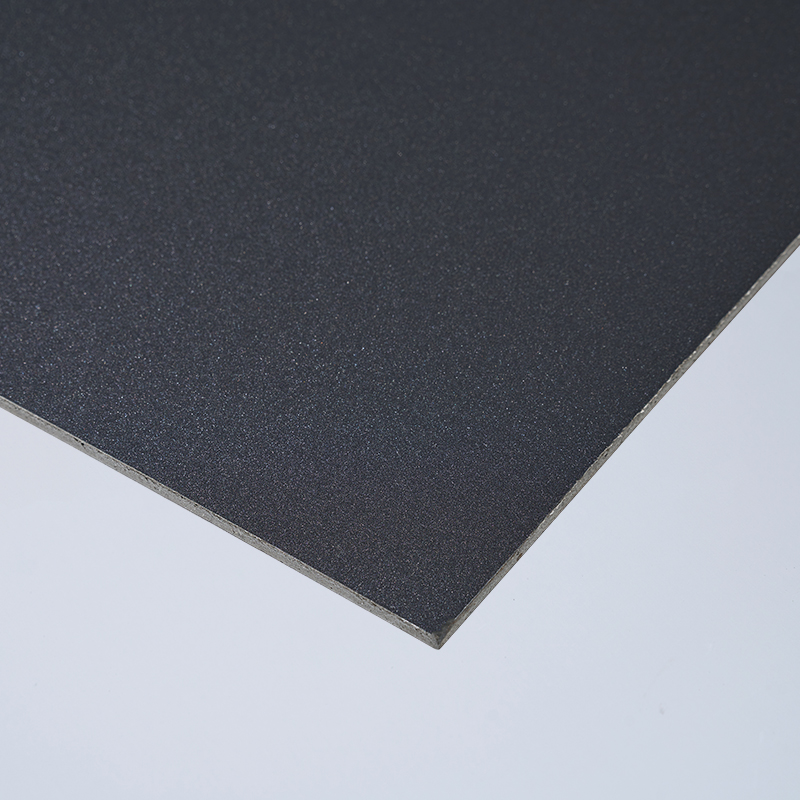
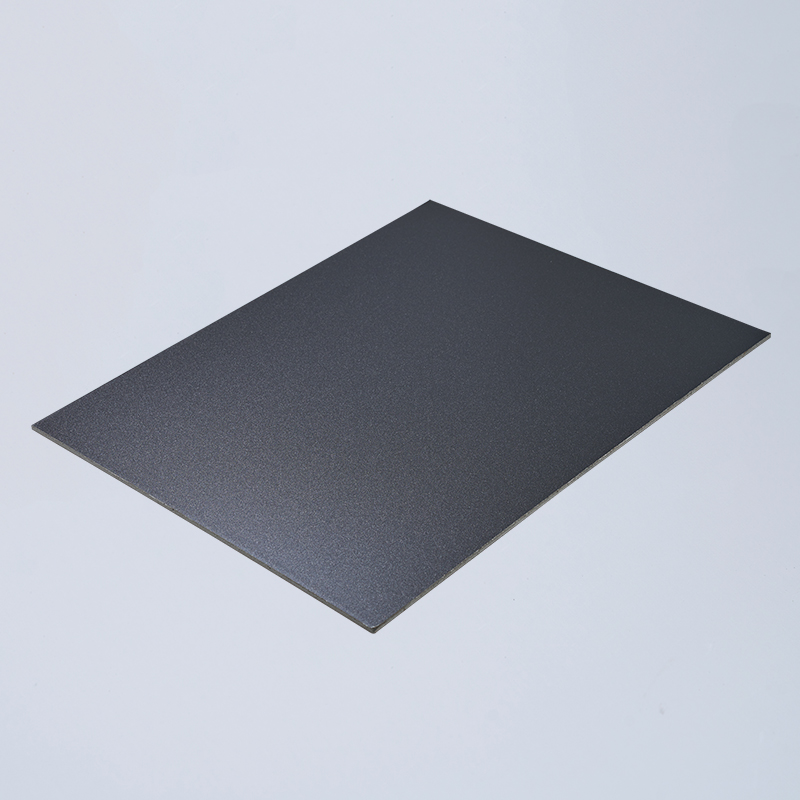 Pearlescent Aluminum Composite Panel
 -
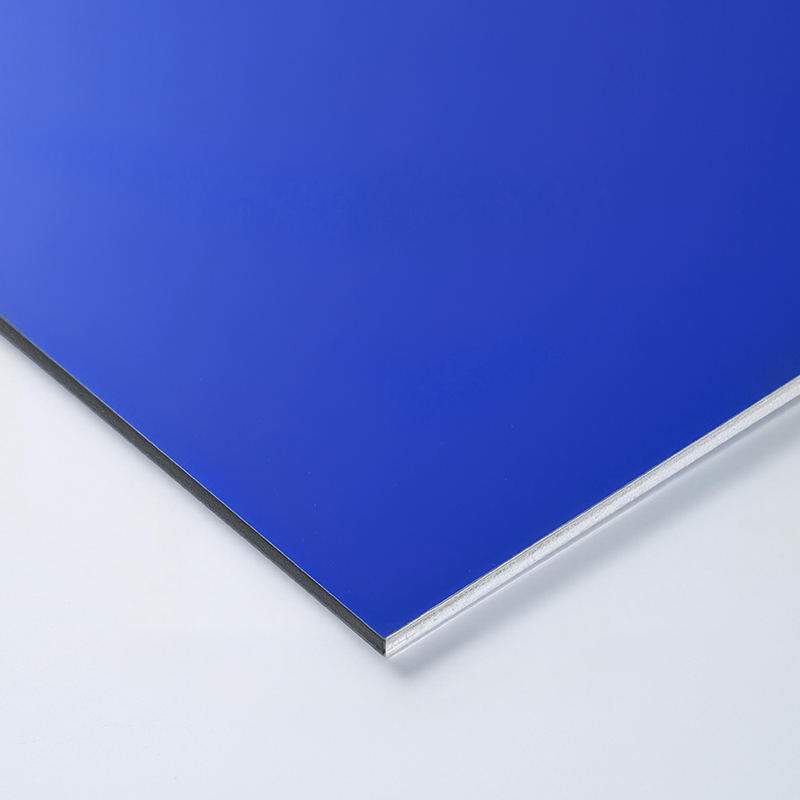
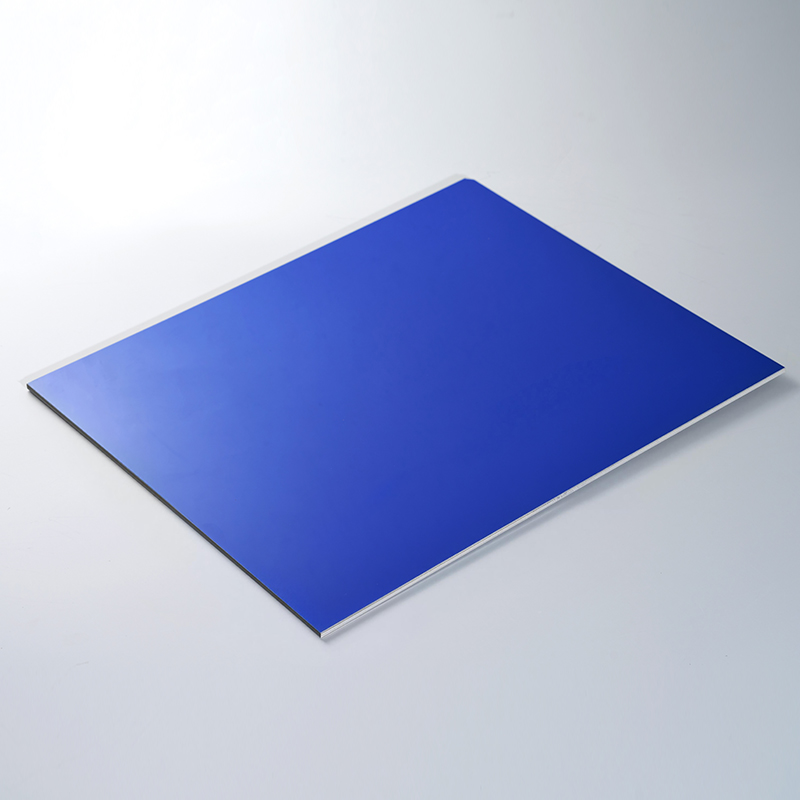 Matt Finish Aluminum Composite Panel

As an aluminum composite panel factory, we fully support personalized customization in terms of specifications, patterns, textures, fire ratings, and shapes.

Copyright © Taizhou Jiaxin New Material Technology Co., Ltd.
All Rights Reserved.
