 English
 中文简体
 Español
 عربى
 русский

Choosing Signage Aluminum Composite Panel for Clean, Durable Outdoor Branding
Outdoor signs need to do more than display a logo. They must maintain a neat appearance through changing weather, regular cleaning, and daily exposure to sunlight and dust. For sign makers, contractors, and commercial property developers, choosing the right Signage Aluminum Composite Panel can make installation easier and help reduce maintenance concerns. As a manufacturer, we focus on the practical details that affect fabrication, appearance, and long-term use.
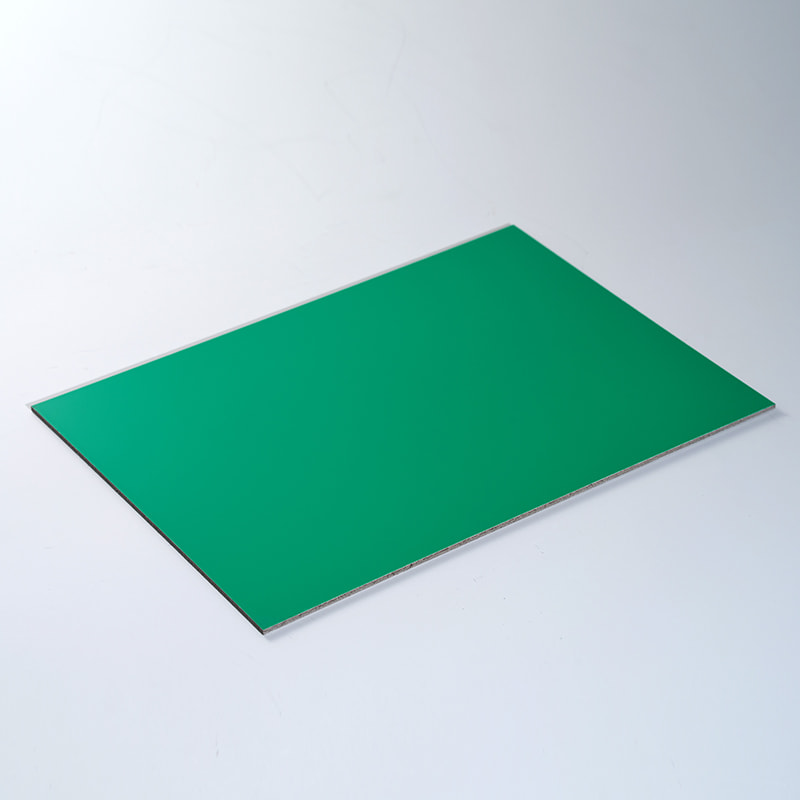
Surface Finish Makes a Difference in Daily Use
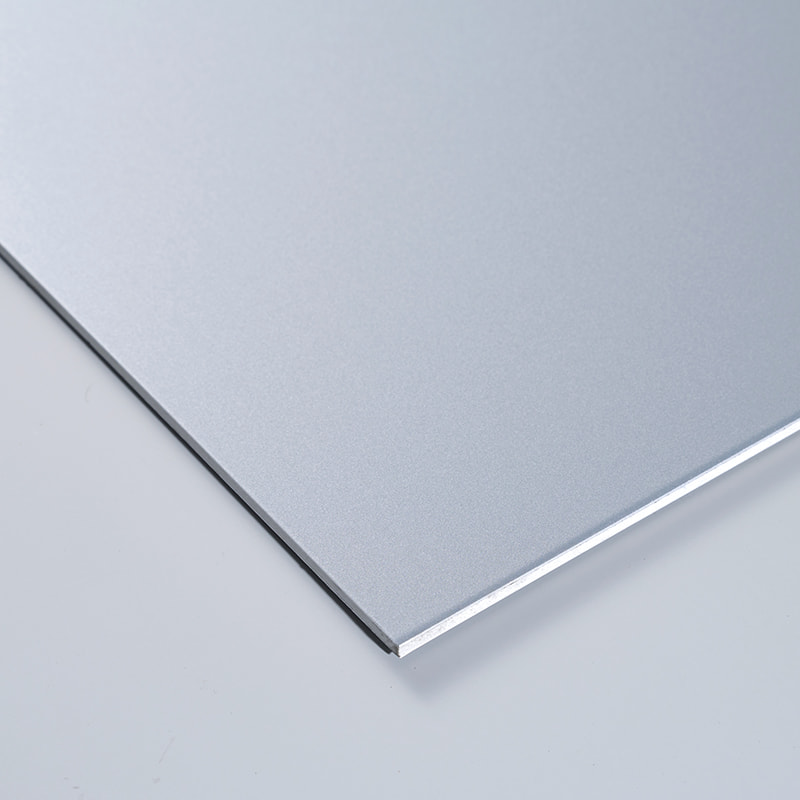
A sign may look attractive in a showroom but appear different under direct sunlight or beside other building materials. Surface finish, color consistency, and gloss level all influence the final result. Matte finishes can suit understated commercial branding, while glossy surfaces create a more reflective appearance.
When selecting aluminum composite panels for outdoor signs, we recommend checking samples under natural and artificial lighting. This simple step helps buyers assess color accuracy before confirming a large order. It is also useful to compare the panel finish with the intended lettering, lighting, and surrounding facade.
Panel Flatness Affects the Finished Sign
Uneven surfaces can make printed graphics, cut lettering, and mounted logos look poorly aligned. Panel flatness is particularly important for shopfront signs, directional boards, and large-format advertising displays.
During product selection, buyers should consider panel thickness, aluminum skin specifications, core composition, and the dimensions required for fabrication. These factors influence rigidity and handling. Our manufacturing approach emphasizes consistent material specifications so fabricators can plan cutting, routing, and assembly with greater confidence.
Outdoor Exposure Requires the Right Specification
Rain, sunlight, temperature changes, and airborne dirt can affect the appearance and service life of an outdoor sign. However, not every panel is intended for the same environment. A panel suitable for an indoor retail display may not meet the performance requirements of an exposed building sign.
Before ordering, buyers should confirm the intended application and ask about coating performance, weather resistance, and suitable installation conditions. For coastal locations or areas with strong sun exposure, checking the relevant technical documentation is especially important. Matching the panel specification to the actual environment helps avoid choosing materials based on appearance alone.
Fabrication Details Can Prevent Installation Problems
A good signage project depends on more than the panel itself. Cutting accuracy, routing methods, edge finishing, fastening, and frame design all influence the finished installation.
For sign fabrication, we suggest checking these details before production begins:
- Cutting and routing: Confirm that the selected panel is suitable for the planned fabrication method.
- Edge treatment: Plan how exposed edges will be finished and protected.
- Mounting system: Ensure the supporting frame and fasteners suit the sign's size and installation environment.
- Graphics and lettering: Check compatibility with the intended printing, adhesive, or applied lettering system.
Discussing these requirements early can reduce material waste and avoid unnecessary adjustments on site.
Color Matching Supports Consistent Brand Identity
Businesses often use the same visual identity across storefronts, shopping centers, service stations, and franchise locations. Differences in panel color or finish can make signs look inconsistent, even when the artwork is identical.
For repeat projects, buyers should keep approved samples and document the selected finish, color reference, and panel specifications. When requesting quotations from a Signage Aluminum Composite Panel supplier, it is helpful to provide drawings, dimensions, intended use, and finish requirements together. Clear specifications make it easier to evaluate comparable offers and maintain consistency across future orders.
Maintenance Starts With Practical Material Selection
Dust, fingerprints, traffic pollution, and water marks gradually affect outdoor signage. Smooth surfaces are generally easier to clean, but the appropriate cleaning method depends on the coating and manufacturer’s instructions. Abrasive pads or unsuitable chemicals may damage the finish.
We encourage customers to confirm recommended cleaning procedures before installation, particularly for signs positioned above entrances or along busy roads. Planning access for inspection and routine cleaning also helps property managers maintain a professional appearance without unnecessary maintenance work.
Work With a Manufacturer on Project Requirements
Every signage project has its own combination of design, fabrication, environmental exposure, and installation constraints. As a manufacturer, we work with buyers to clarify panel specifications, surface finishes, dimensions, and application requirements before production. Providing these details at the quotation stage helps align material selection with the actual project rather than relying on a generic product description.
For sign makers, distributors, and commercial project contractors, the right Signage Aluminum Composite Panel should balance appearance, fabrication needs, and environmental suitability. Careful specification and clear communication with the manufacturer help create signage that looks consistent, installs smoothly, and remains suitable for its intended use.
-
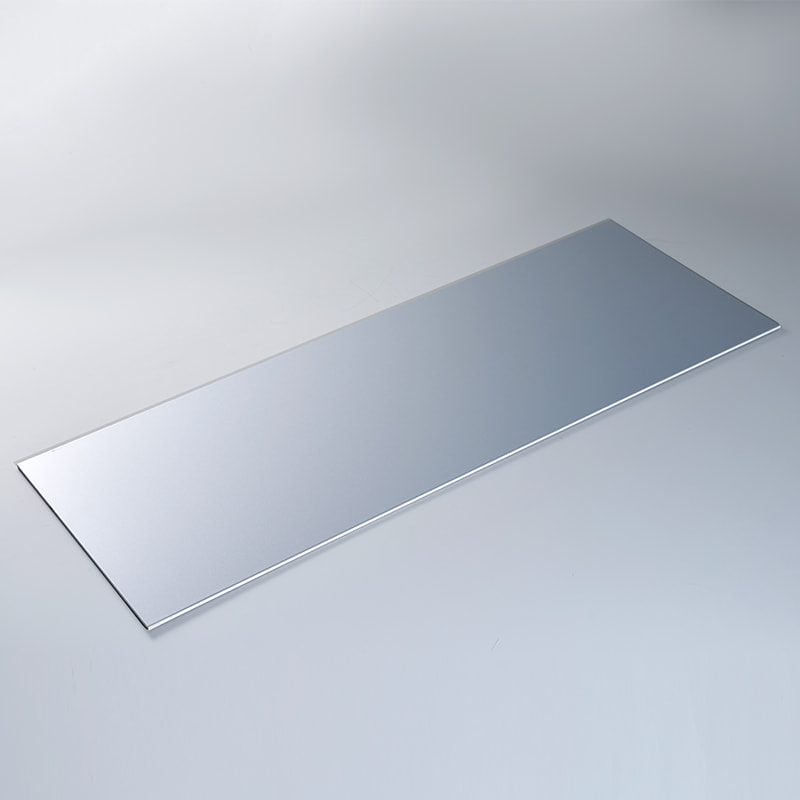 B1 Fire Rated Aluminum Composite Panel
-
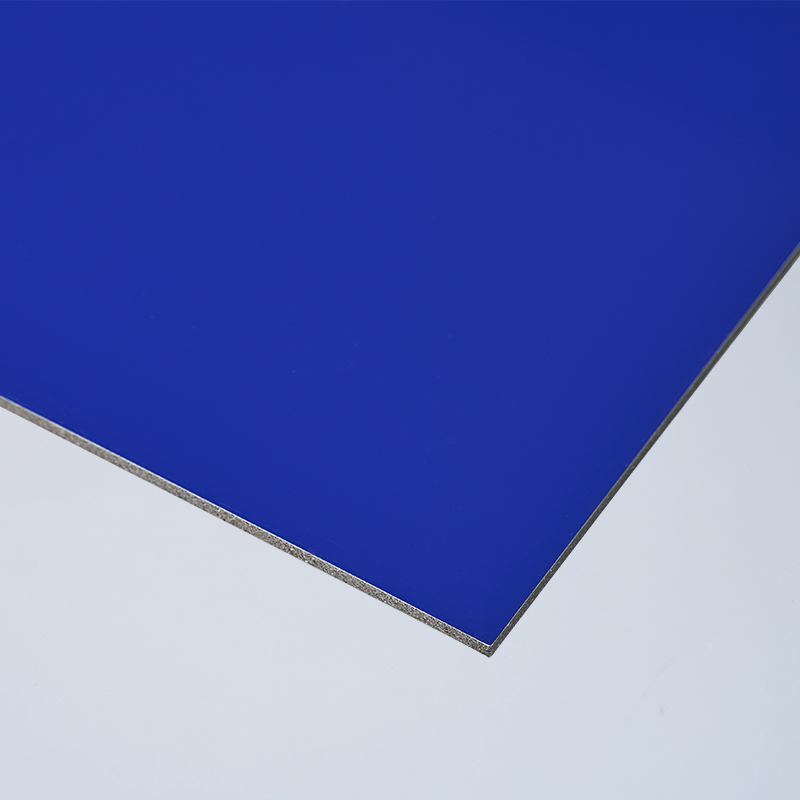
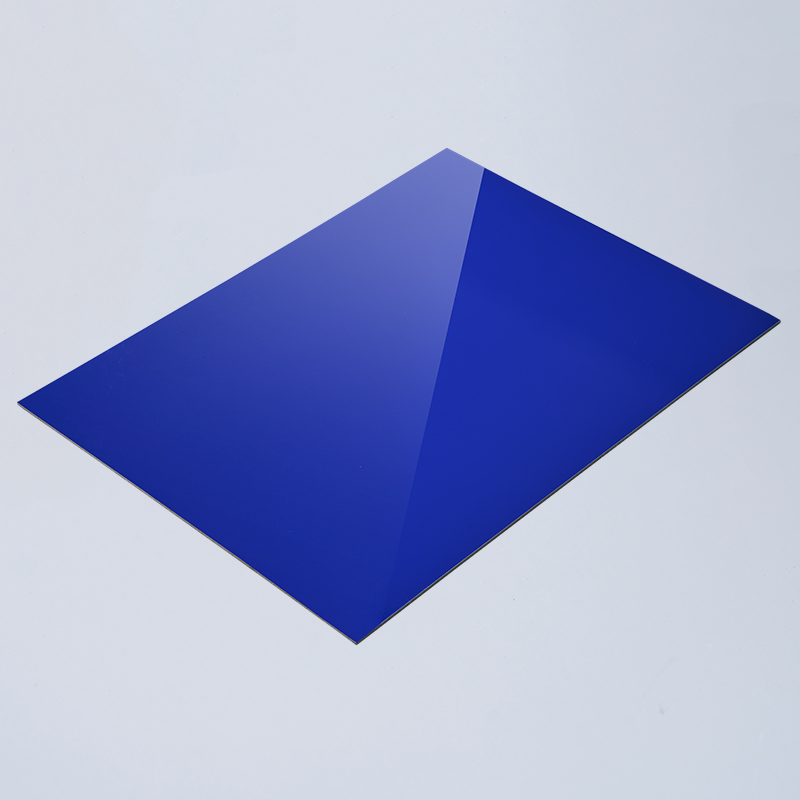 Light Box Signage Aluminum Composite Panel
-
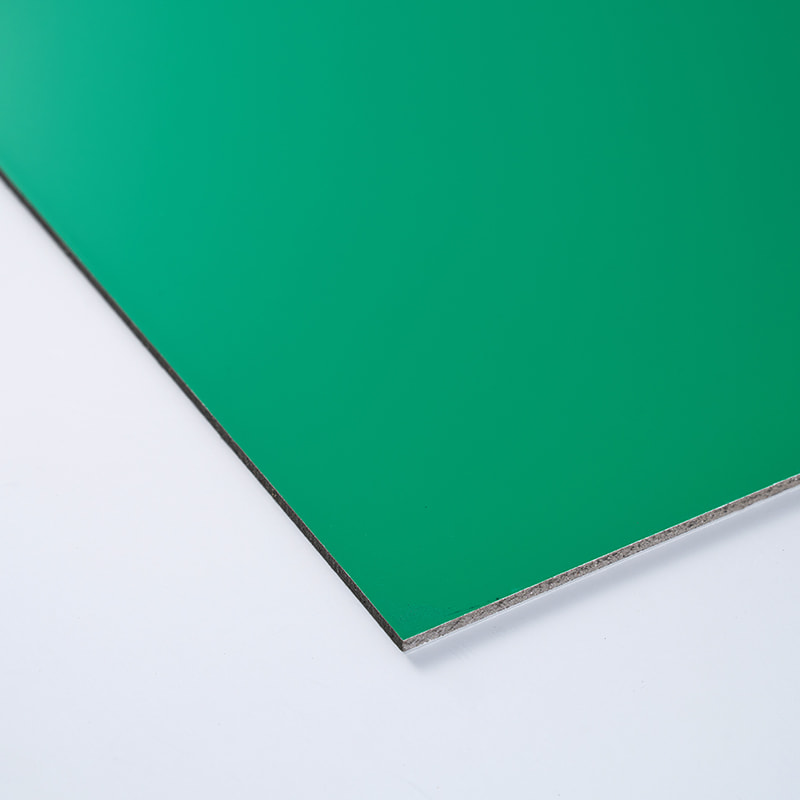 General Signage Aluminum Composite Panel
-
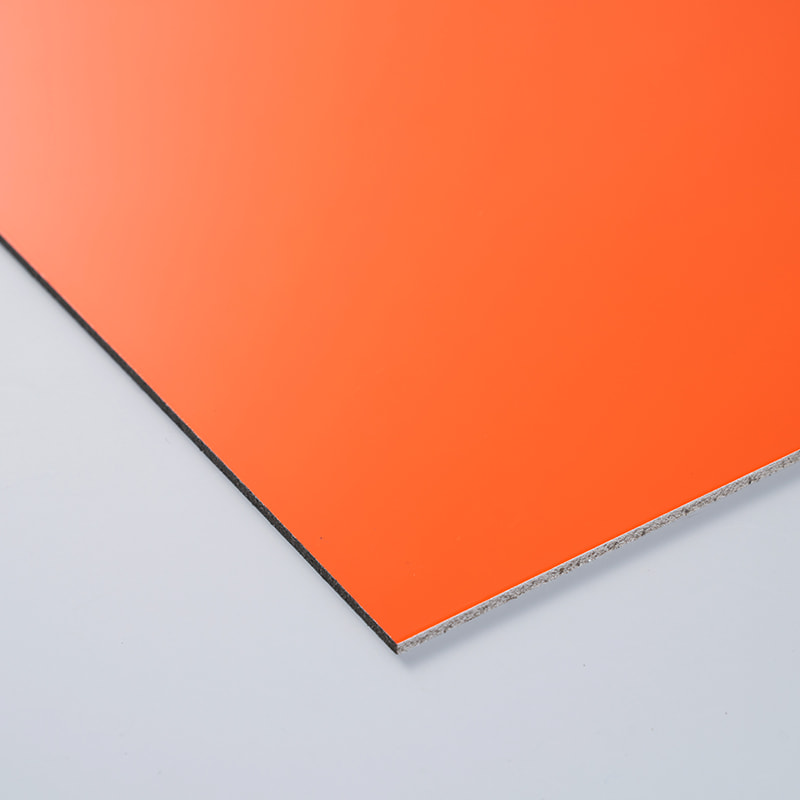
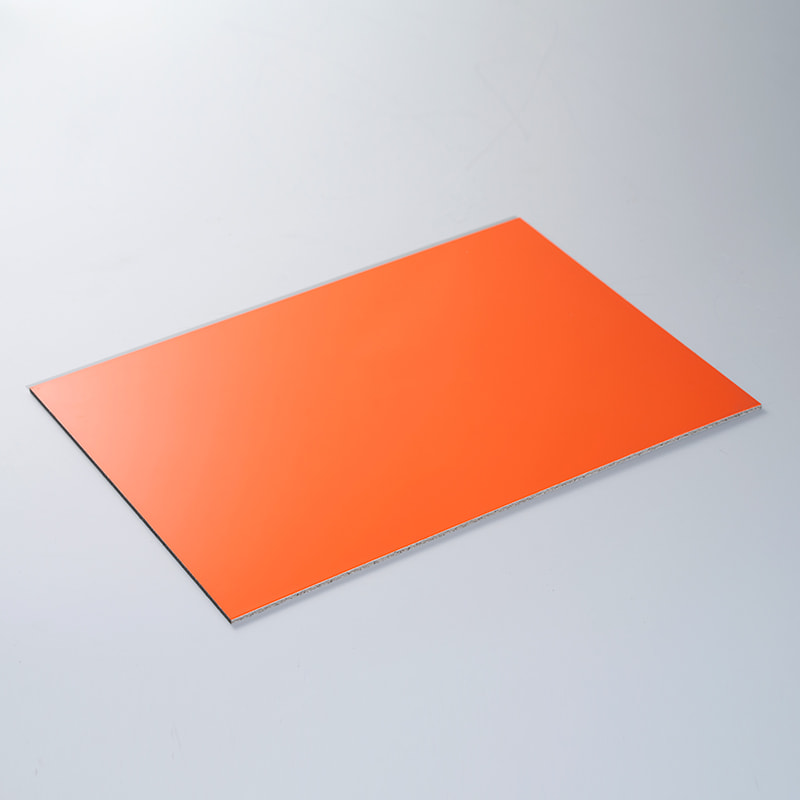 PE Aluminum Composite Panel
-
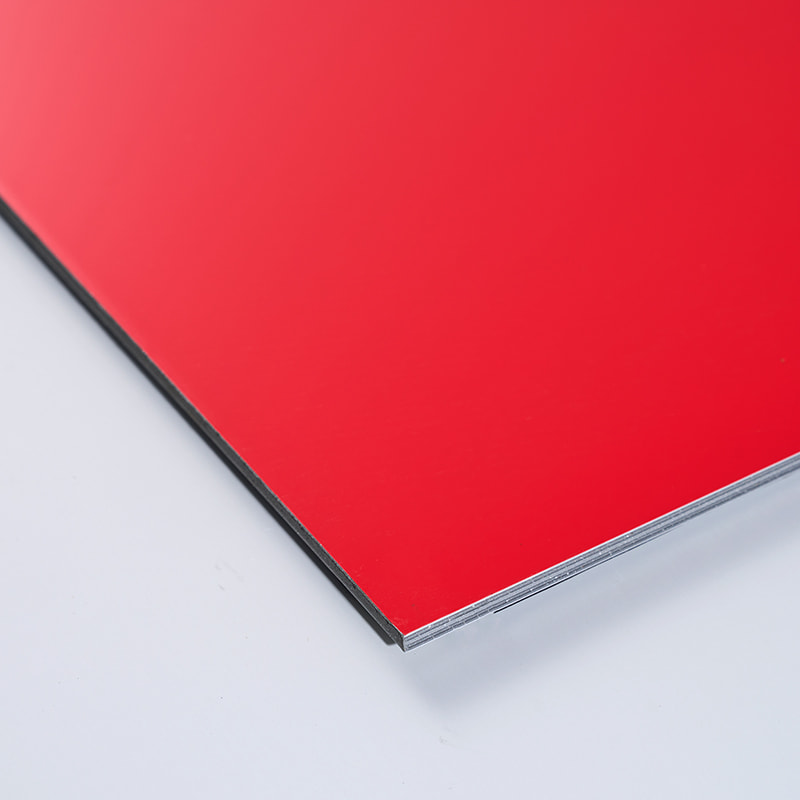
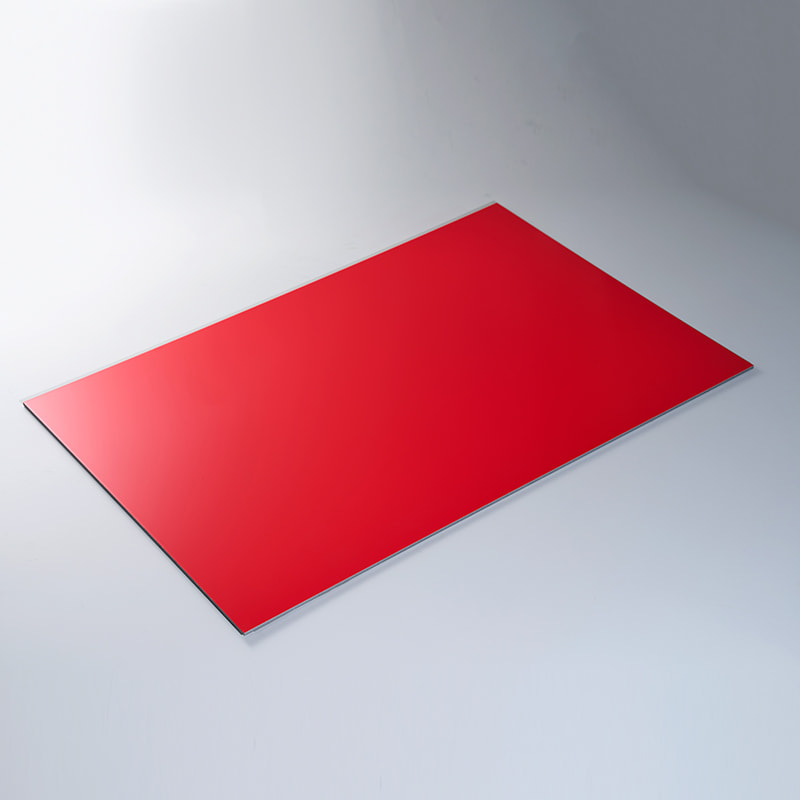 PVDF Aluminum Composite Panel
-
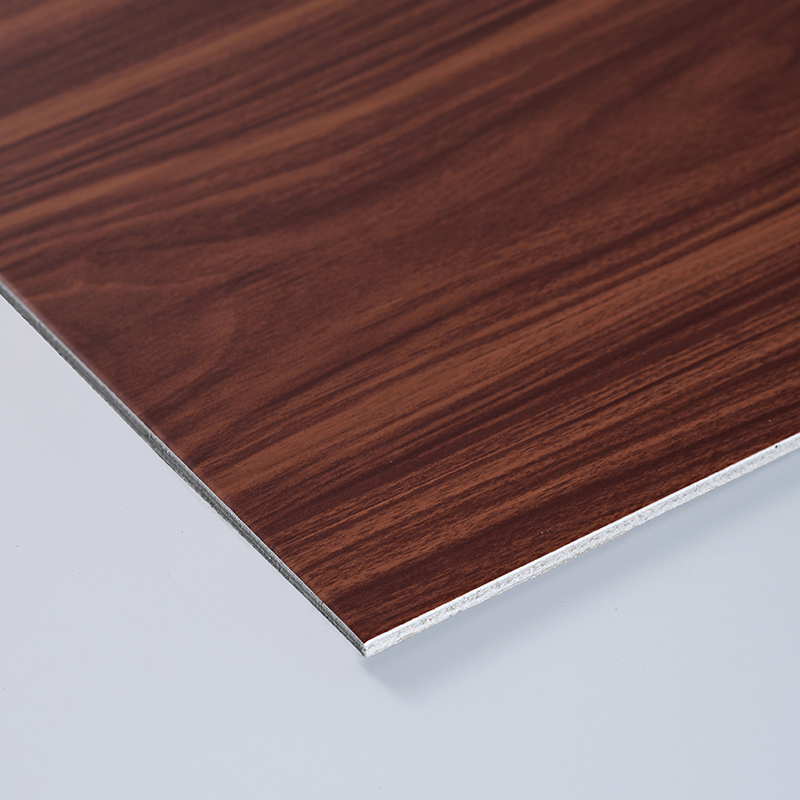
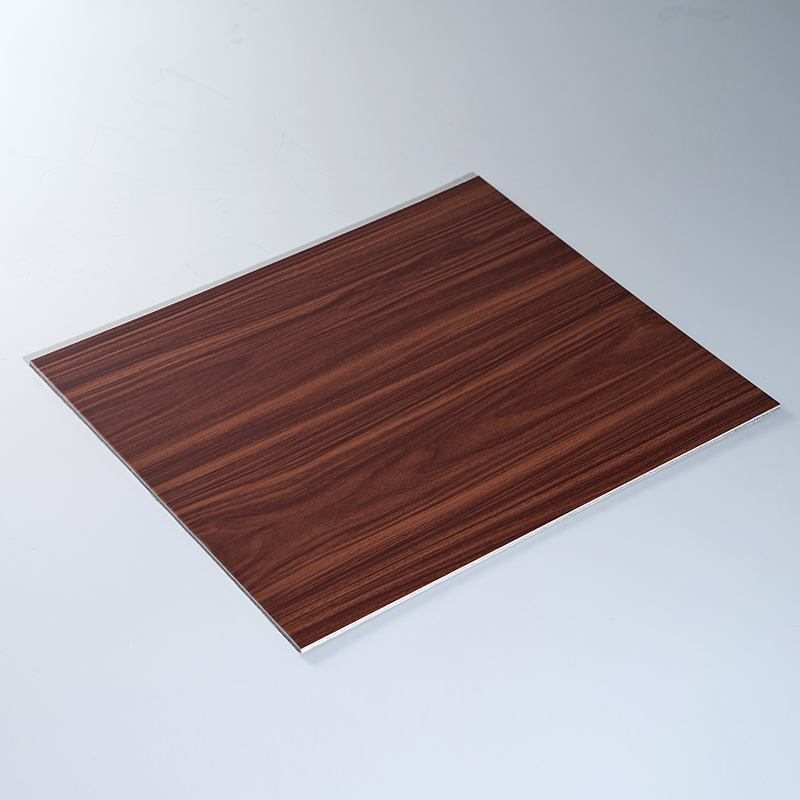 Wood-Grain Aluminum Composite Panel
-
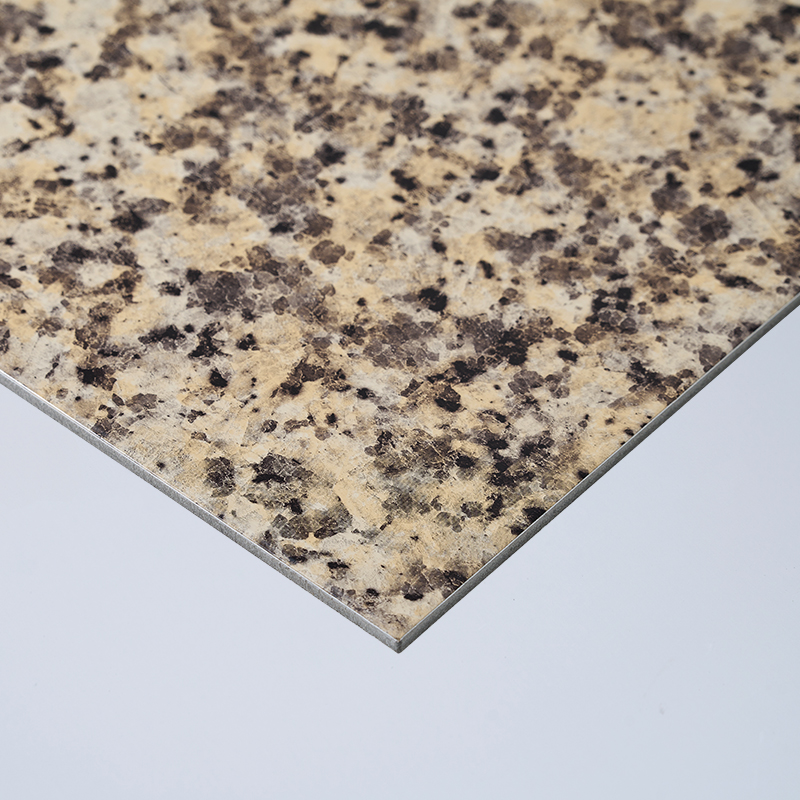
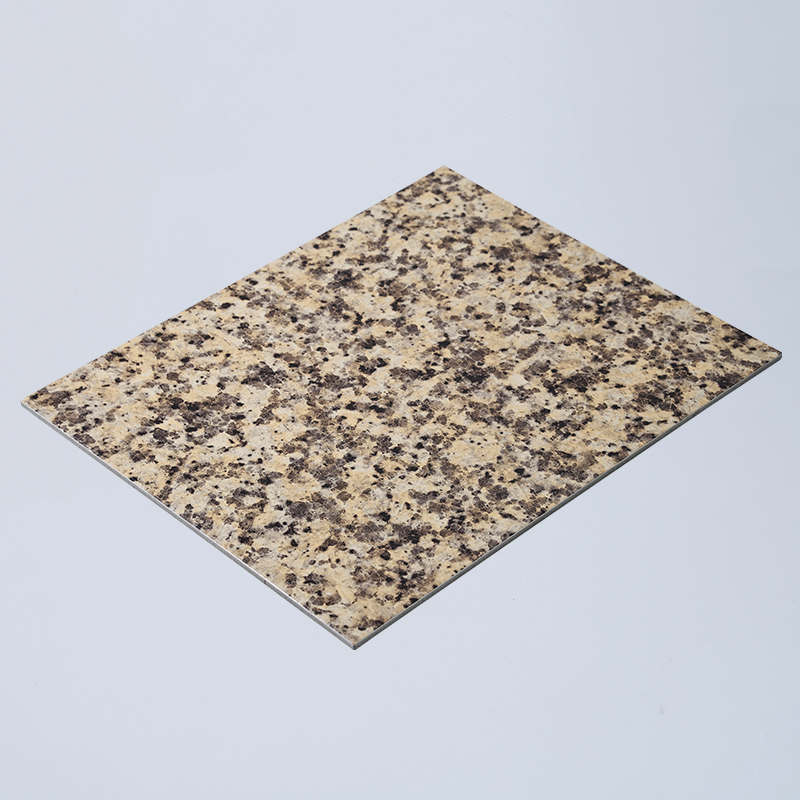 Granite Finish Aluminum Composite Panel
-
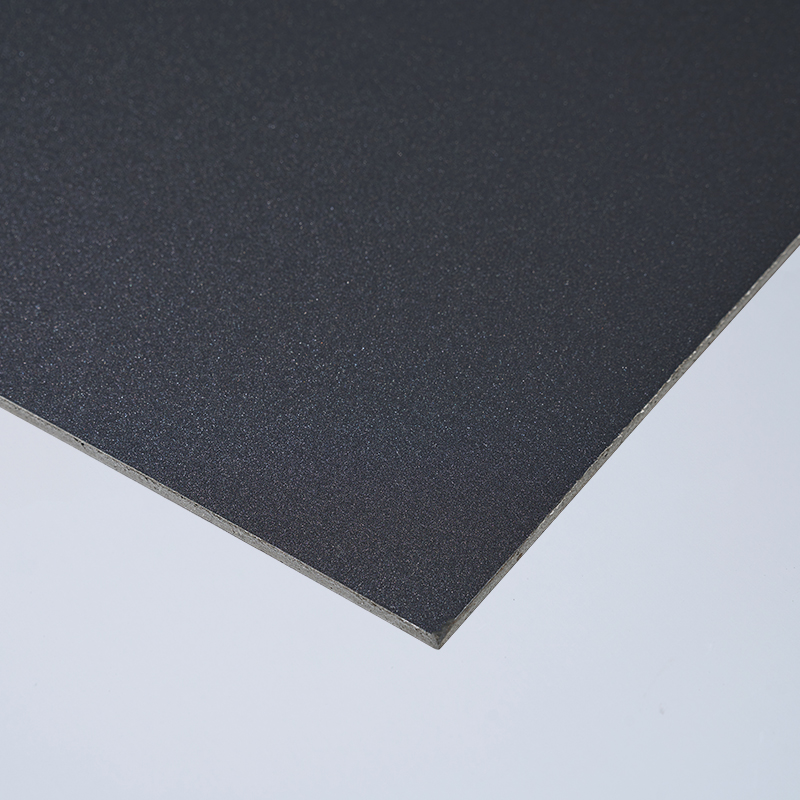
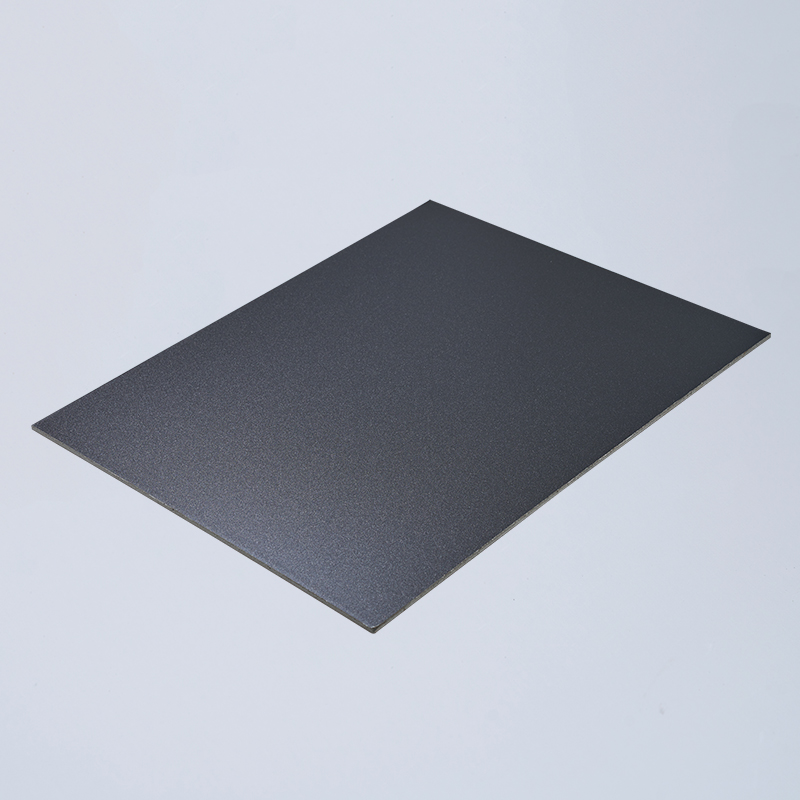 Pearlescent Aluminum Composite Panel
-
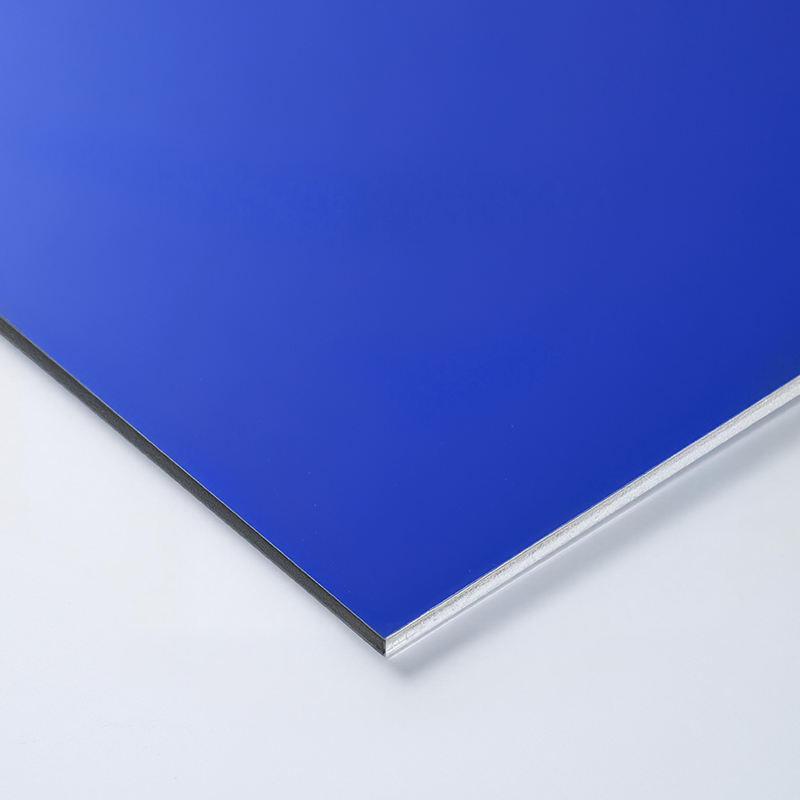
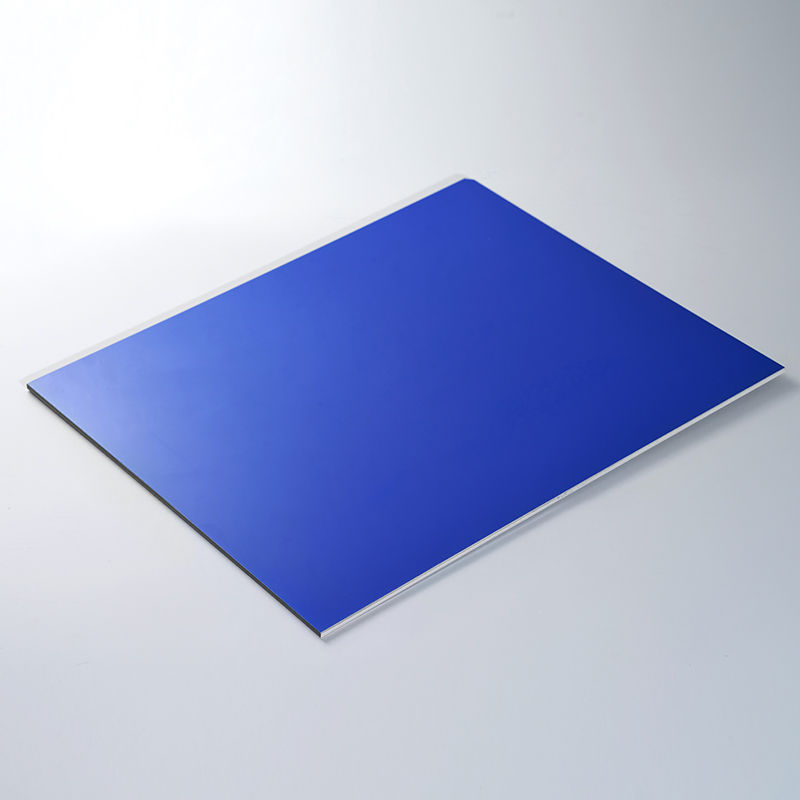 Matt Finish Aluminum Composite Panel
As an aluminum composite panel factory, we fully support personalized customization in terms of specifications, patterns, textures, fire ratings, and shapes.

Copyright © Taizhou Jiaxin New Material Technology Co., Ltd.
All Rights Reserved.
