 English
 中文简体
 Español
 عربى
 русский

Signage Aluminum Composite Panel Printing and Surface Finish Options
Signage Aluminum Composite Panel provides a smooth surface that can be prepared for printed graphics, text, logos, patterns, and promotional imagery. For signage manufacturers and project buyers, printing compatibility is an important part of material selection because the panel surface becomes part of the visual communication system.
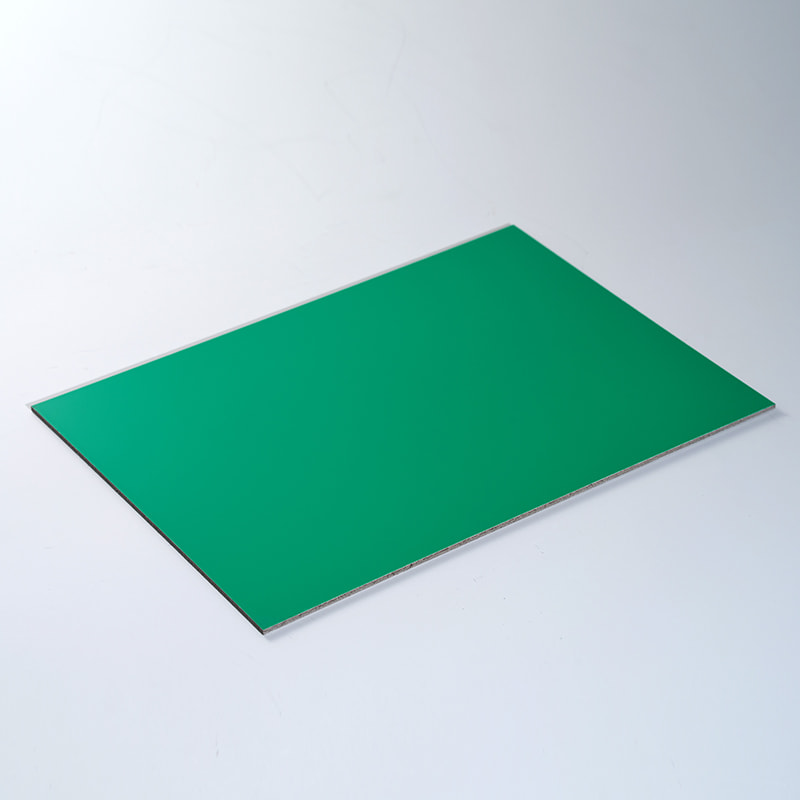
Digital printing can be used when signage requires detailed graphics or customized artwork. Printed designs may cover the entire panel or appear only in selected areas. The final appearance depends on the panel coating, printing process, ink system, surface preparation, and curing method.
UV printing is another commonly discussed option for signage production. The process allows graphics to be applied directly to a suitable panel surface. When the coating and printing system are compatible, the printed image can maintain clear visual details across the sign surface.
Logos and text can also be printed onto ACP panels. This is useful for storefront identification, promotional boards, directional signage, exhibition displays, and architectural information panels.
Surface preparation should not be overlooked. Dust, grease, moisture, and other contaminants can affect ink adhesion and image quality. The panel surface should be prepared according to the requirements of the selected printing process.
Common Surface Finishes
Signage Aluminum Composite Panel is available with different surface treatments for different design requirements. Matte finishes provide a subdued appearance and can be suitable for signs where reflected light needs to be controlled.
Gloss finishes provide a more reflective surface. They can be used for promotional signs and retail displays where surface brightness forms part of the visual concept. The surrounding lighting should be considered when selecting this type of finish.
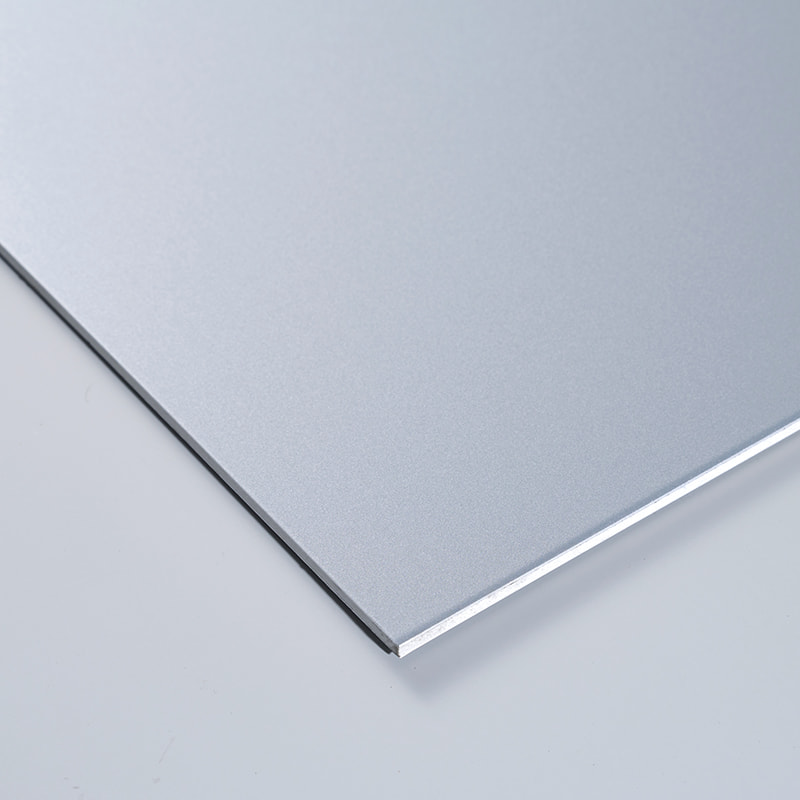
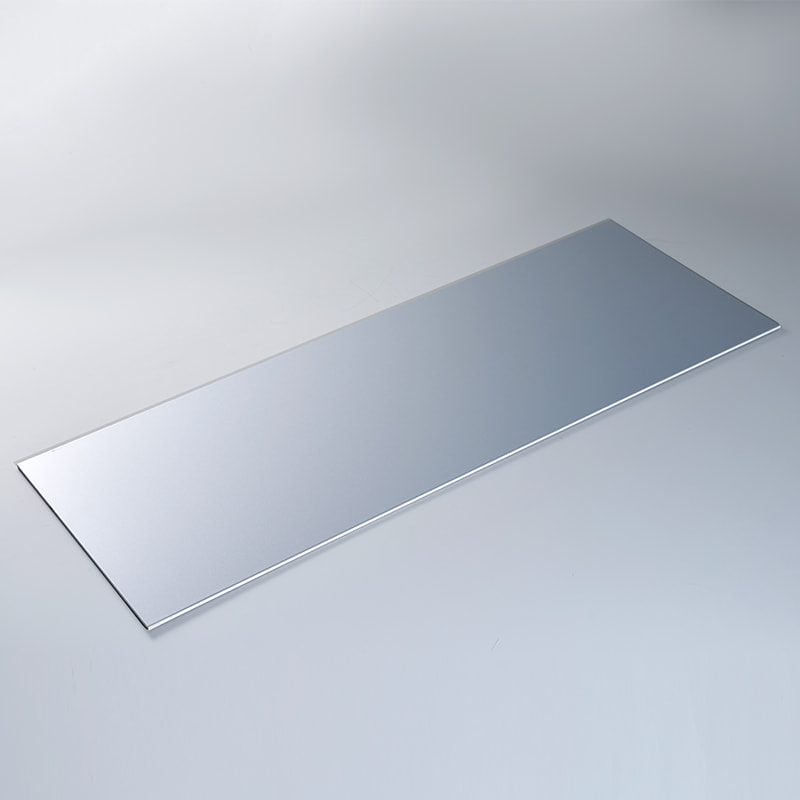
Metallic finishes provide a metal-inspired appearance that can work with architectural signs, commercial displays, and decorative lettering. Brushed aluminum effects add directional texture to the panel surface and can create visual interest without relying on complex graphics.
Wood grain and other decorative finishes can also be used when a signage design requires a material-inspired appearance. These surfaces can coordinate with architectural elements, furniture, storefront structures, or interior decoration.
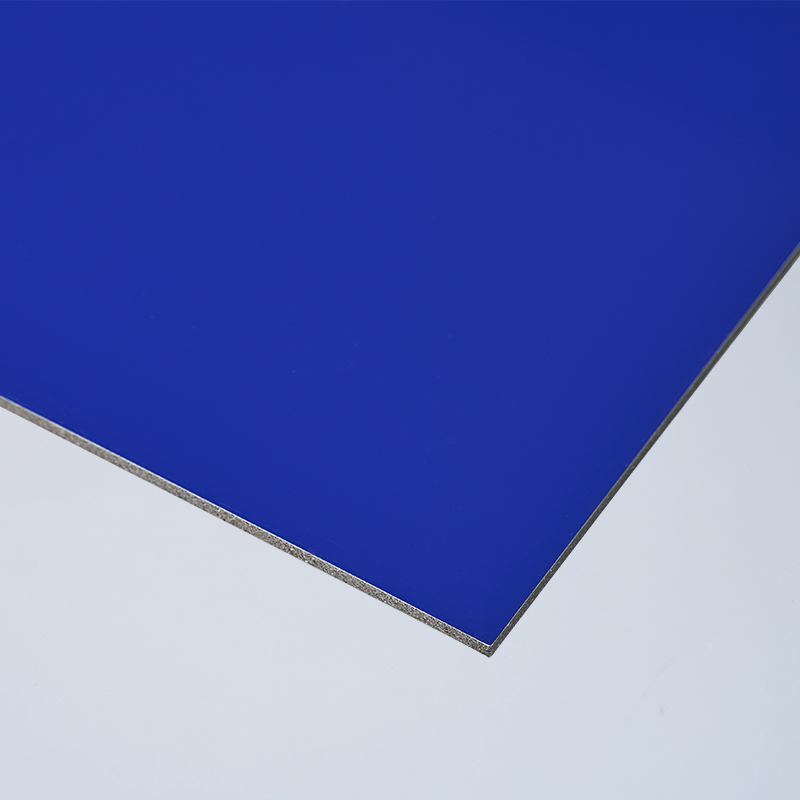
Solid color surfaces remain useful for signs that rely on clear lettering or strong graphic contrast. Custom colors can also be considered when a project requires coordination with a specific visual identity.
Choosing a Finish for Signage
The selected finish should correspond with the location and purpose of the sign. Interior retail signage may have different surface requirements from an outdoor building sign.
Lighting is an important consideration. Signs positioned under strong artificial lighting may produce visible reflections when a highly reflective finish is used. Matte or textured surfaces can create a different appearance under the same lighting conditions.
Outdoor signage requires attention to the coating system and environmental exposure. Sunlight, moisture, dust, and cleaning activities can affect the appearance of the surface over time. The selected coating should therefore correspond with the intended installation environment.
Cleaning requirements should also be reviewed. Signage installed in commercial areas can collect fingerprints, dust, and other contaminants. A surface that can be cleaned using suitable routine methods can support easier maintenance.
Custom Printing and Finish Solutions
Custom signage projects often combine several visual elements. A printed background can be paired with dimensional letters, cut-out graphics, decorative borders, or selected surface finishes.
Custom colors can help a sign coordinate with storefront architecture, interior decoration, exhibition structures, or other visual elements. Color samples should be reviewed under the lighting conditions expected at the installation location.
A project may also use different finishes across separate sections of the same signage system. For example, a matte background can be combined with metallic lettering, while a decorative panel can be used around a display area.
Buyers should also consider whether the panel will be printed directly, covered with applied graphics, or combined with other signage components. These decisions can affect surface preparation and panel processing.
When selecting Signage Aluminum Composite Panel, printing method and surface finish should be considered together. Panel coating, graphic requirements, color, lighting, installation environment, cleaning conditions, and fabrication requirements all contribute to the final signage result.
-
 B1 Fire Rated Aluminum Composite Panel
-
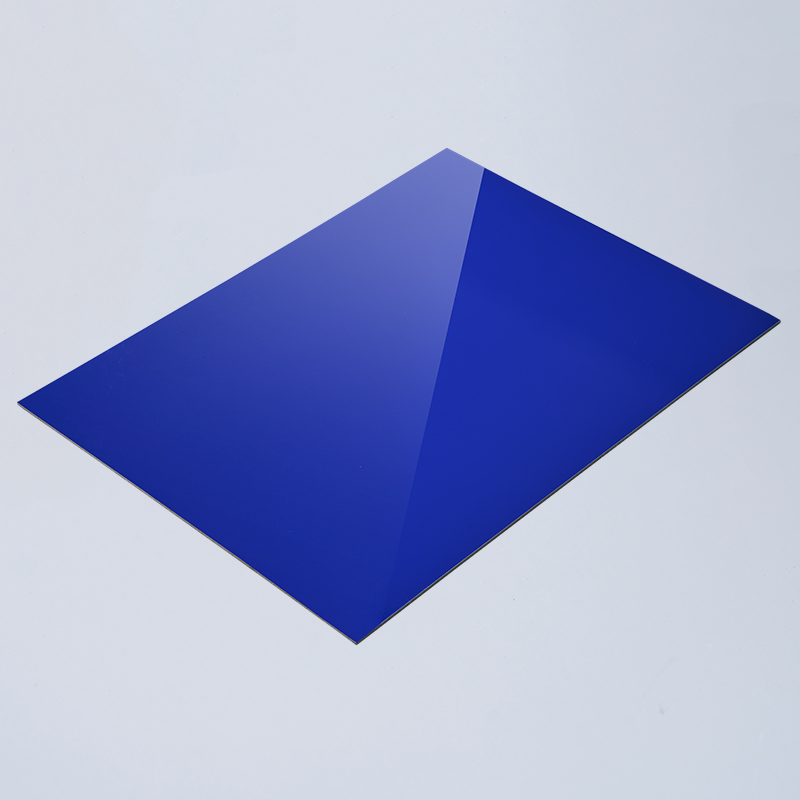 Light Box Signage Aluminum Composite Panel
-
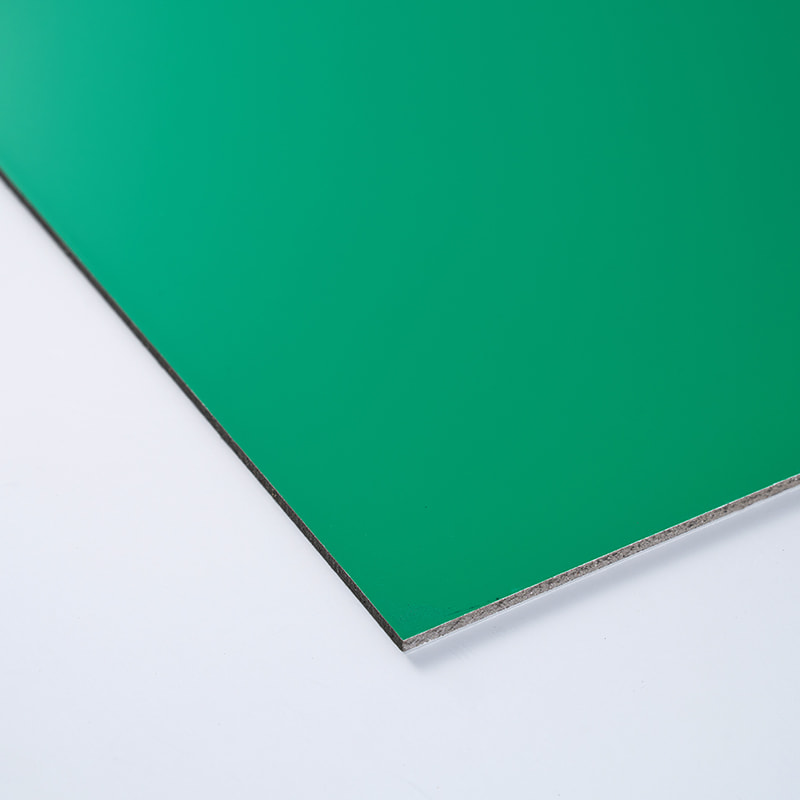 General Signage Aluminum Composite Panel
-
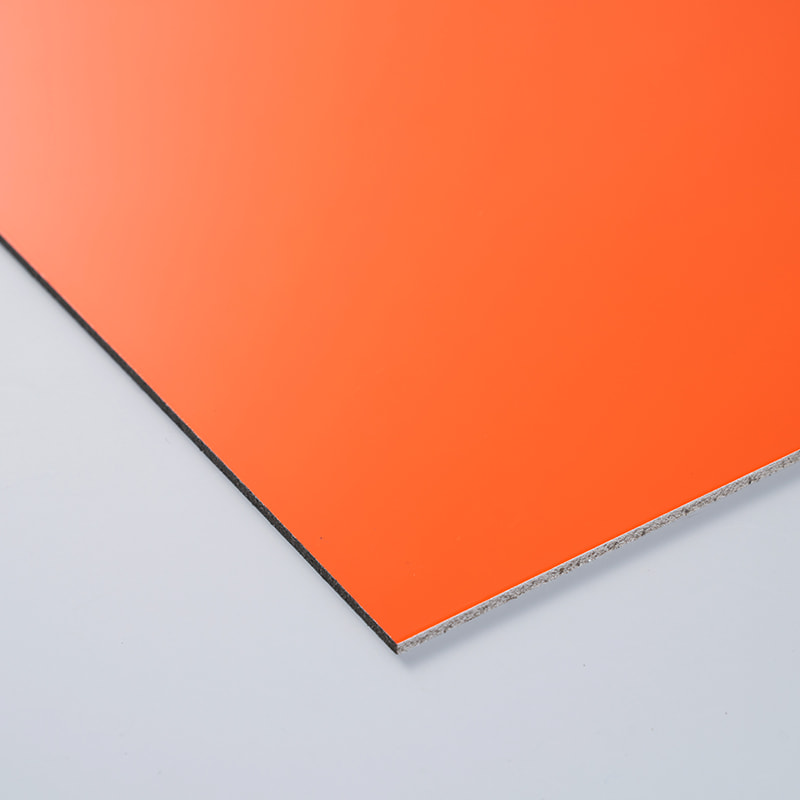
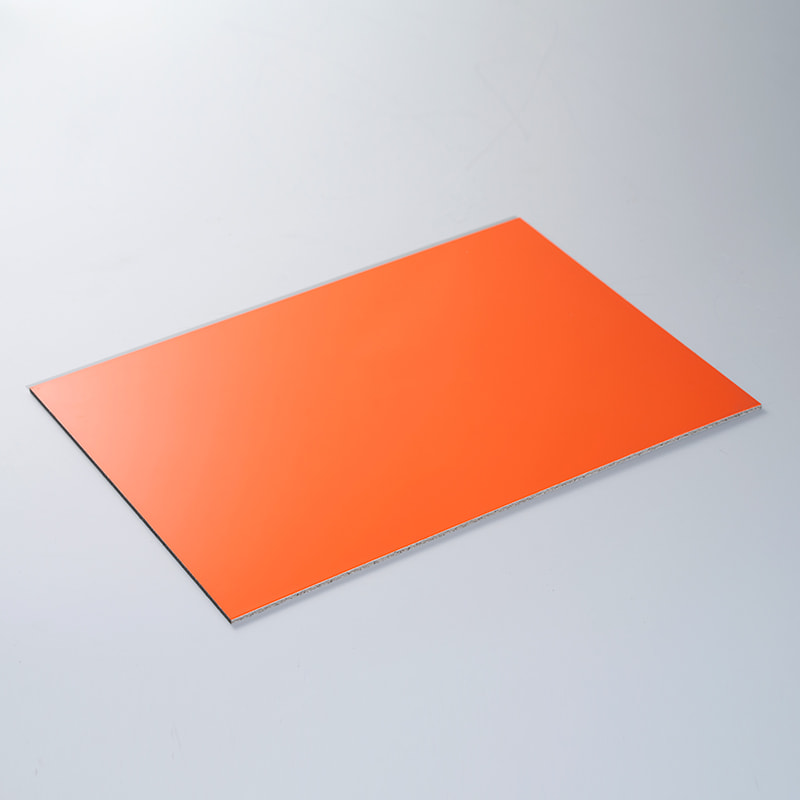 PE Aluminum Composite Panel
-
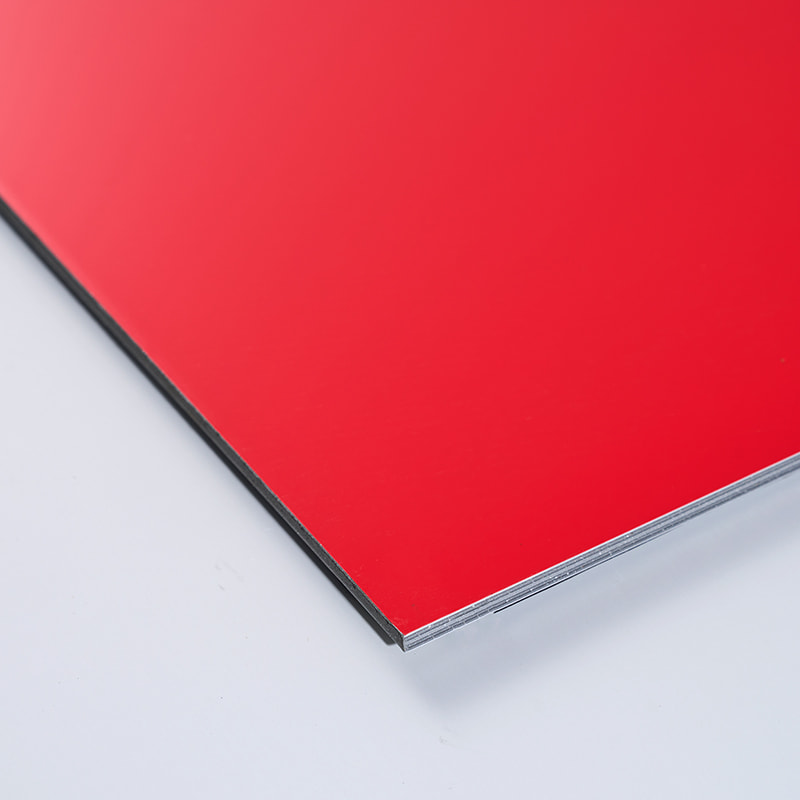
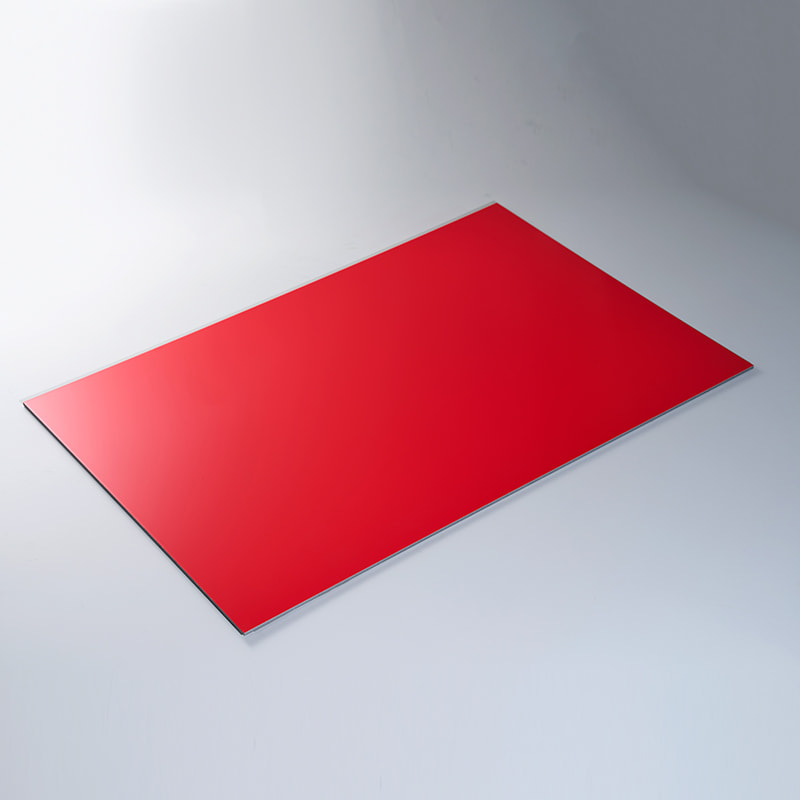 PVDF Aluminum Composite Panel
-
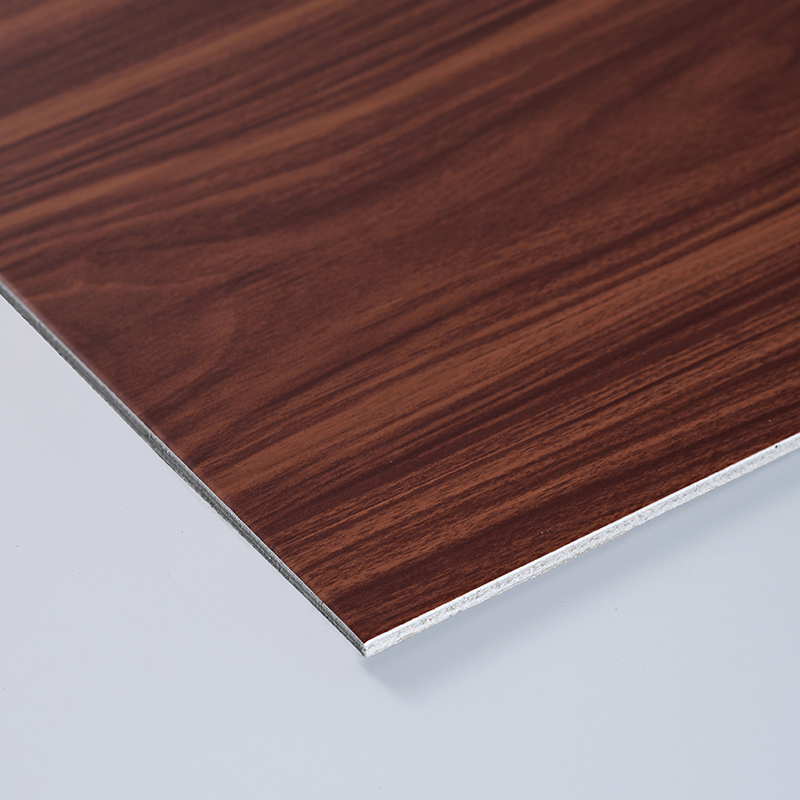
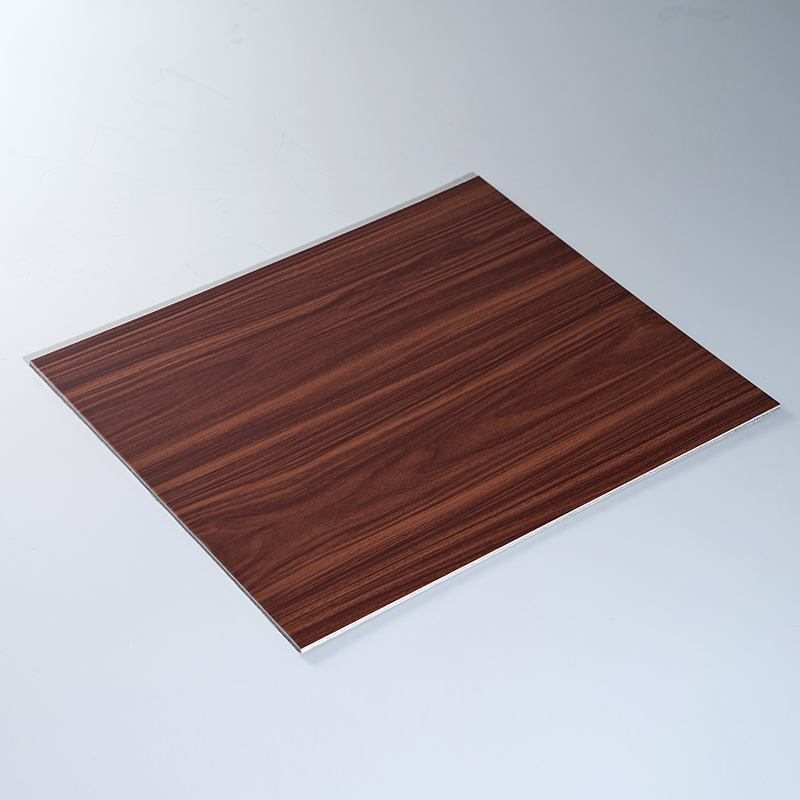 Wood-Grain Aluminum Composite Panel
-
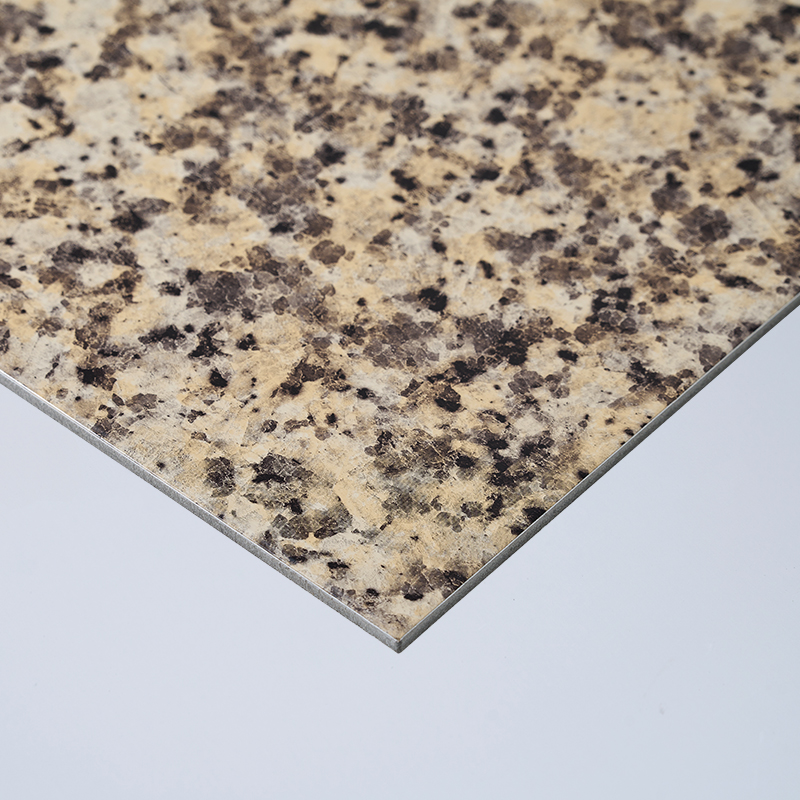
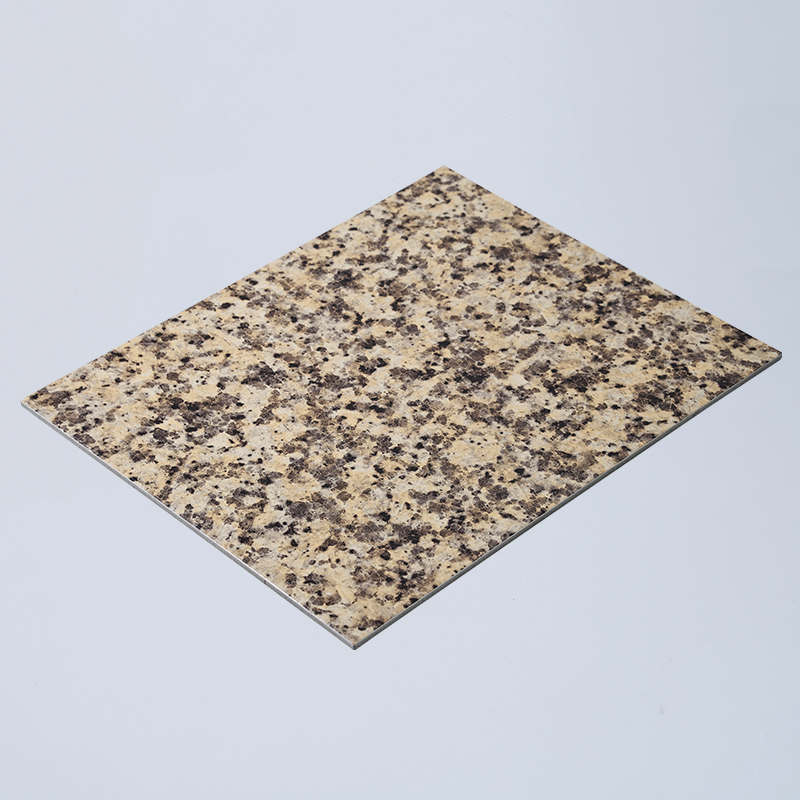 Granite Finish Aluminum Composite Panel
-
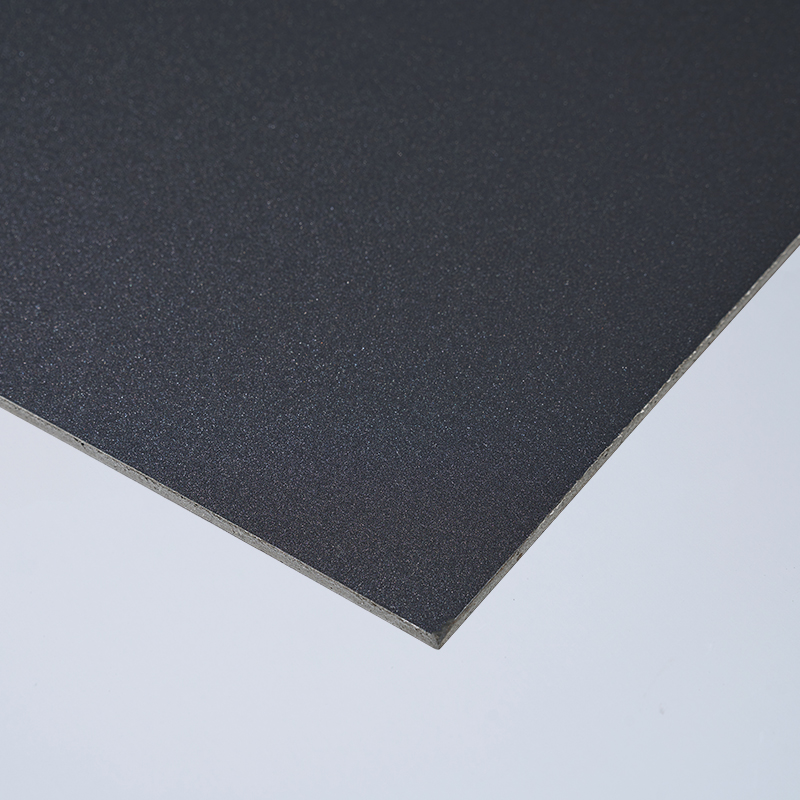
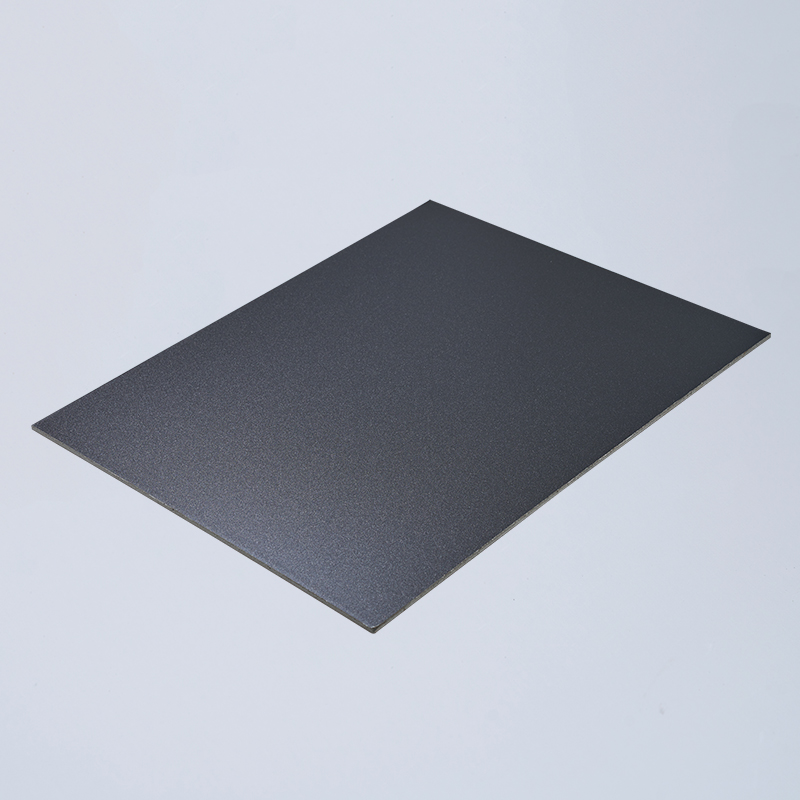 Pearlescent Aluminum Composite Panel
-
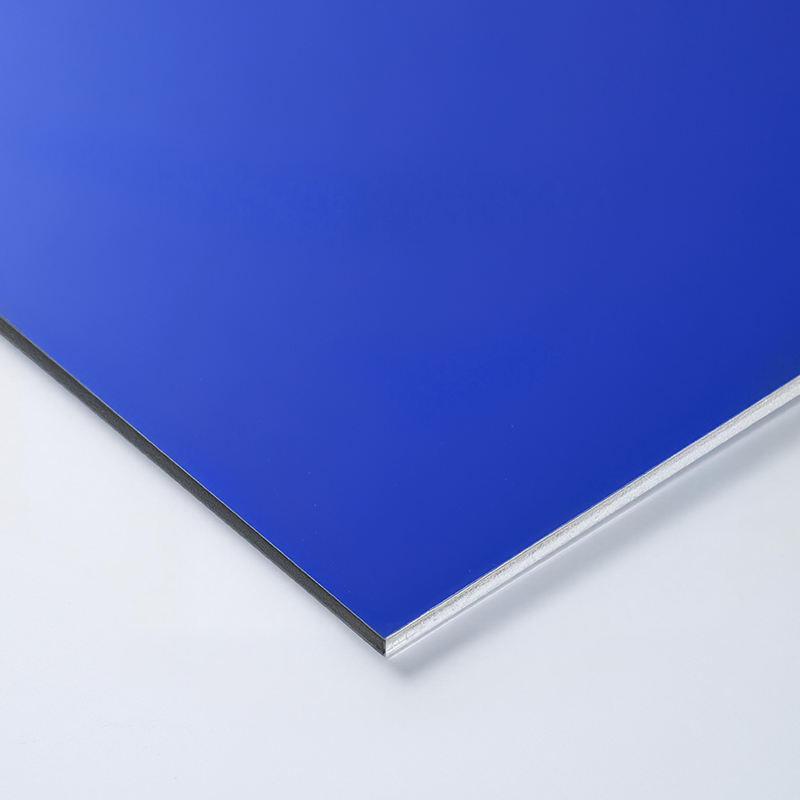
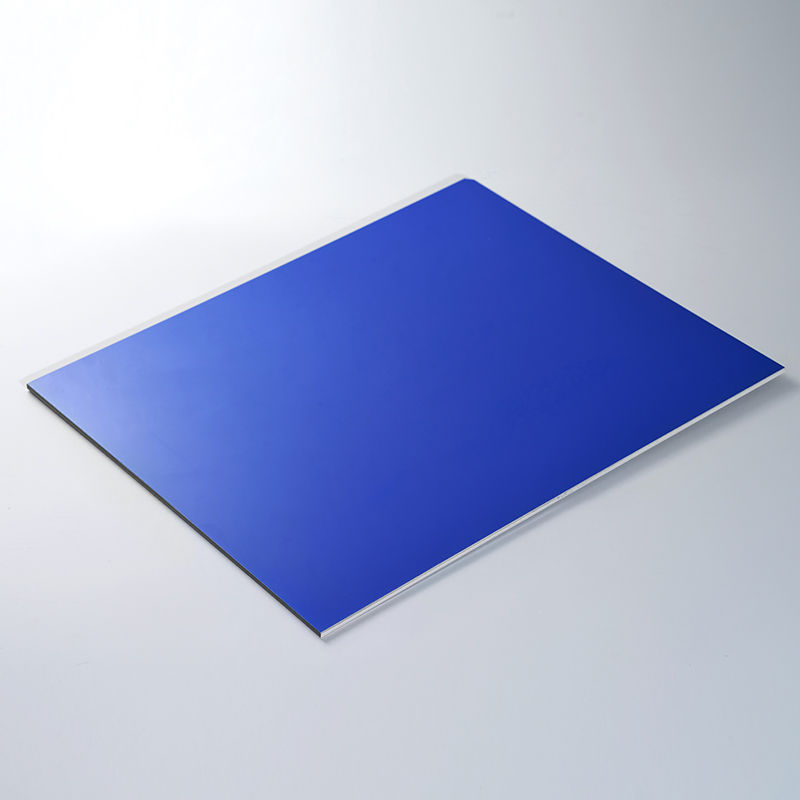 Matt Finish Aluminum Composite Panel
As an aluminum composite panel factory, we fully support personalized customization in terms of specifications, patterns, textures, fire ratings, and shapes.

Copyright © Taizhou Jiaxin New Material Technology Co., Ltd.
All Rights Reserved.
