 English
 中文简体
 Español
 عربى
 русский

Signage Aluminum Composite Panel Applications for Retail and Outdoor Signs
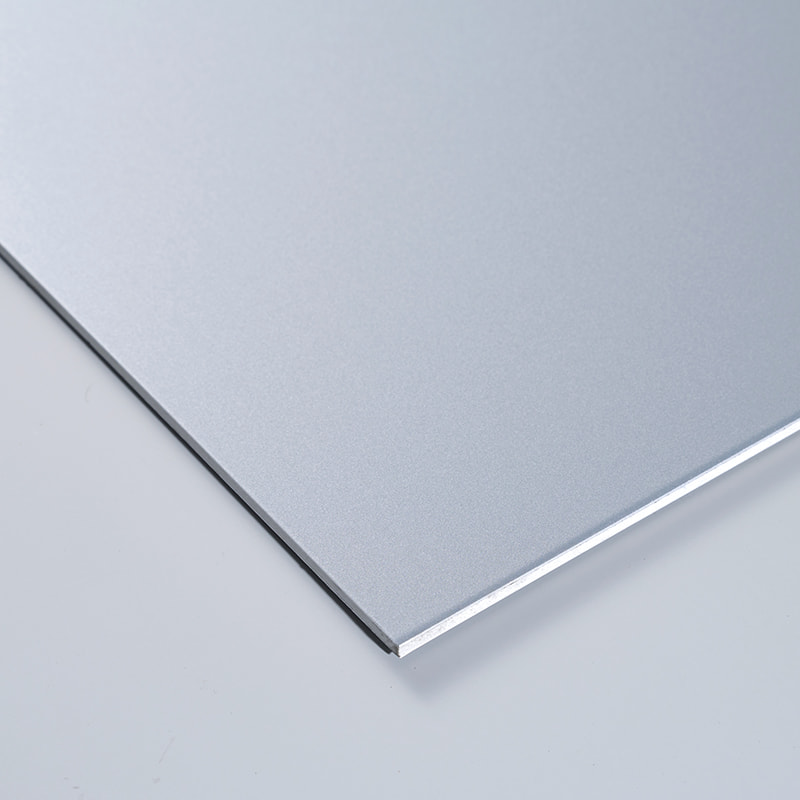
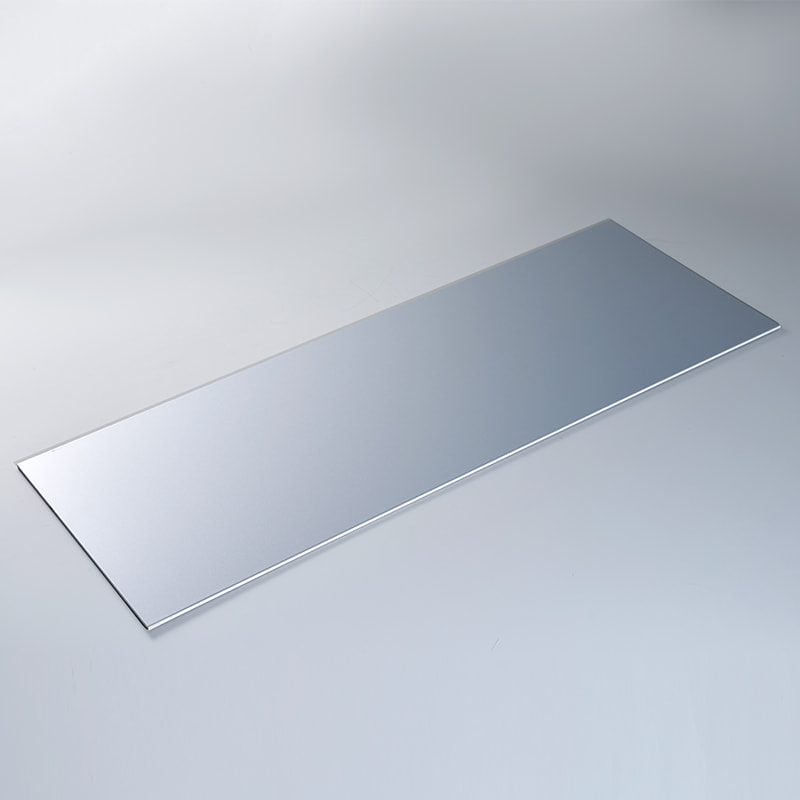
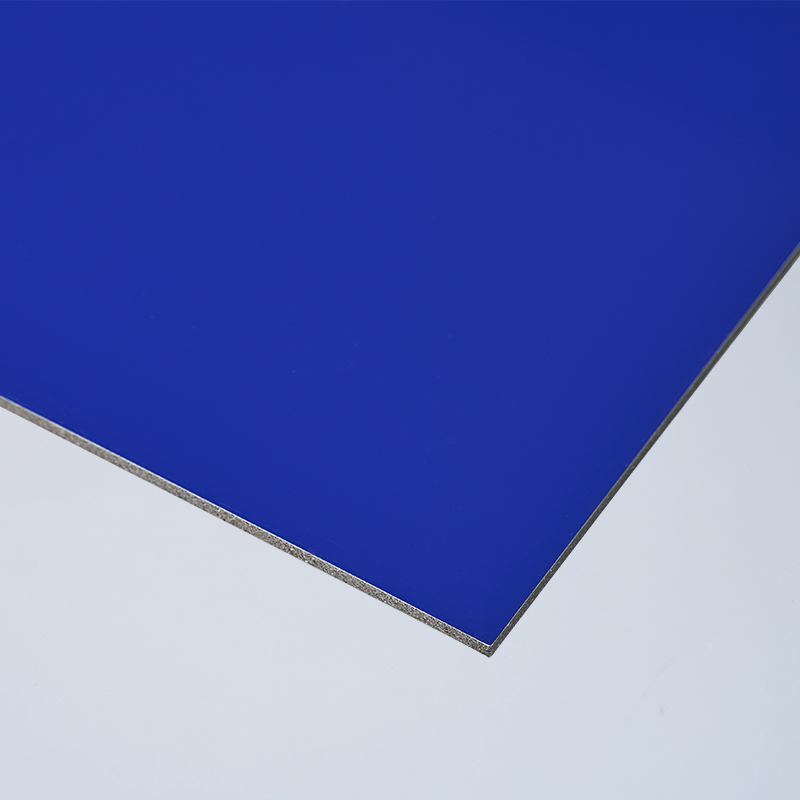
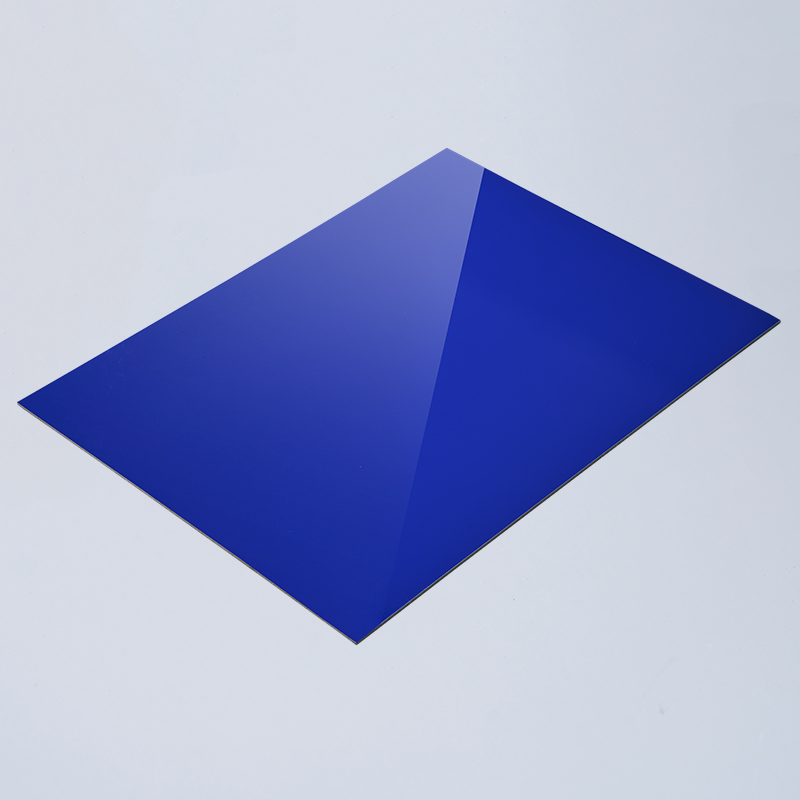
Signage Aluminum Composite Panel is commonly used as a base material for retail signs, shop identification panels, display surfaces, and other visual communication systems. Its composite construction combines aluminum surface layers with a core material, creating a panel that can be fabricated for different signage designs.

Storefront signs are one common application. A panel can provide a clean background for letters, logos, graphics, and other visual elements. The surface can be selected according to the appearance of the store, while the panel itself can be cut or drilled to suit the planned installation.
Retail display panels can also use aluminum composite construction. These panels may appear behind product displays, counters, promotional areas, or interior wall sections. When the signage and surrounding interior surfaces share related colors or finishes, the entire retail space can have a coordinated visual appearance.
Shopping environments often require signage that can communicate information clearly. Directional signs, department identification panels, promotional boards, and entrance signs can all be produced using suitable composite panels. The material can be fabricated into different shapes to fit the layout of a commercial space.
ACP can also serve as a backing surface for dimensional letters. Raised letters or channel letters can be attached to the panel, creating a layered signage design. This approach allows the sign background and lettering to be treated as separate elements while working together as one visual system.
Outdoor Signage Applications
Outdoor signs are exposed to environmental conditions that are different from indoor signage. Building identification signs, advertising boards, directional signs, and storefront signs may encounter sunlight, rain, moisture, dust, and changing temperatures.
Signage Aluminum Composite Panel can be selected for outdoor applications when its construction and surface coating correspond with the intended environment. The coating plays an important role because it forms the visible surface and interacts directly with outdoor conditions.
Building identification signs may use ACP panels as a flat background for letters and graphics. These signs can be installed on building facades, entrance structures, commercial properties, and other locations where clear identification is required.
Advertising boards provide another application. A smooth panel surface can support printed graphics, applied lettering, or other promotional elements. The panel dimensions and supporting structure should be considered according to the installation location.
Directional and wayfinding signs also benefit from flexible fabrication. Panels can be shaped to create arrows, information boards, entrance markers, and other visual guidance elements. The design should make text and symbols easy to recognize from the intended viewing position.
Signage Design Considerations
Signage design involves more than selecting a panel material. Color, surface finish, lettering, graphics, panel shape, and mounting method all affect the final appearance.
A solid color surface can provide a simple background for printed information. Metallic or brushed finishes can create a different visual effect, while matte surfaces may be appropriate when reflected light needs to be controlled.
Panel size should correspond with the available installation area. Large signs may require additional support, while smaller panels can be designed around existing storefront elements or architectural details.
Lettering should also be considered during the design stage. The relationship between panel background, letter color, letter depth, and lighting can affect how information is displayed.
Selecting ACP for Different Signage Projects
Indoor and outdoor signs have different material requirements. Interior signs may focus on appearance, cleaning, fabrication, and coordination with surrounding finishes. Outdoor signs require additional attention to weather exposure, surface coating, supporting structures, and installation conditions.
The fixing method should match the panel construction and sign structure. Depending on the project, panels may be attached to frames, walls, posts, or other supporting systems.
Maintenance is another purchasing consideration. Signs installed near roads, entrances, commercial areas, or construction environments can accumulate dust and surface contamination. A suitable surface can make routine cleaning easier.
When selecting Signage Aluminum Composite Panel, buyers should review the application location, panel construction, surface finish, graphic requirements, fabrication method, fixing system, and maintenance conditions together. This approach helps connect the material specification with the actual requirements of retail, commercial, architectural, and outdoor signage projects.
-
 B1 Fire Rated Aluminum Composite Panel
-
 Light Box Signage Aluminum Composite Panel
-
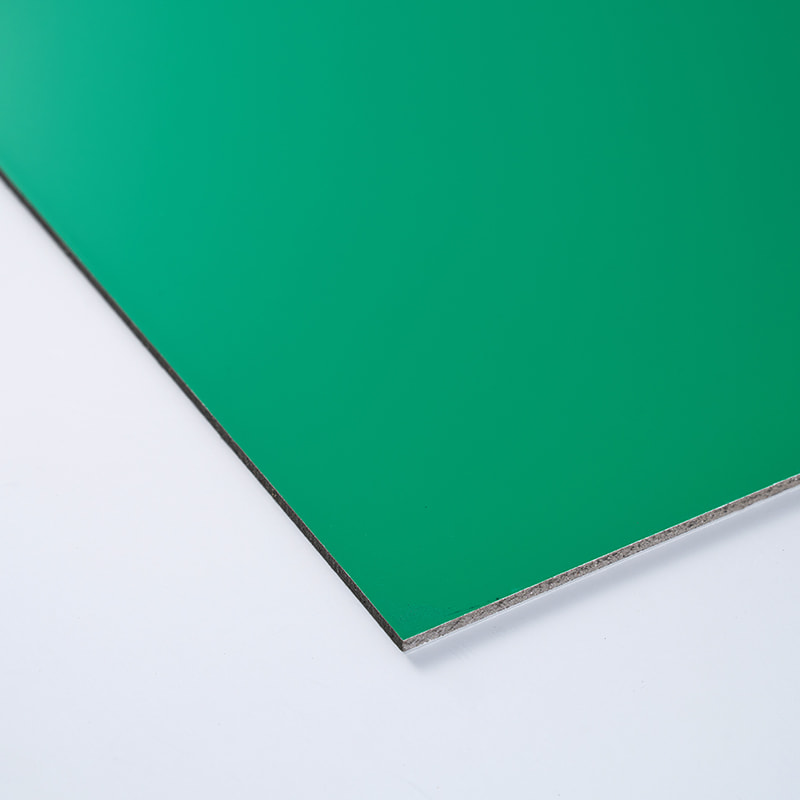
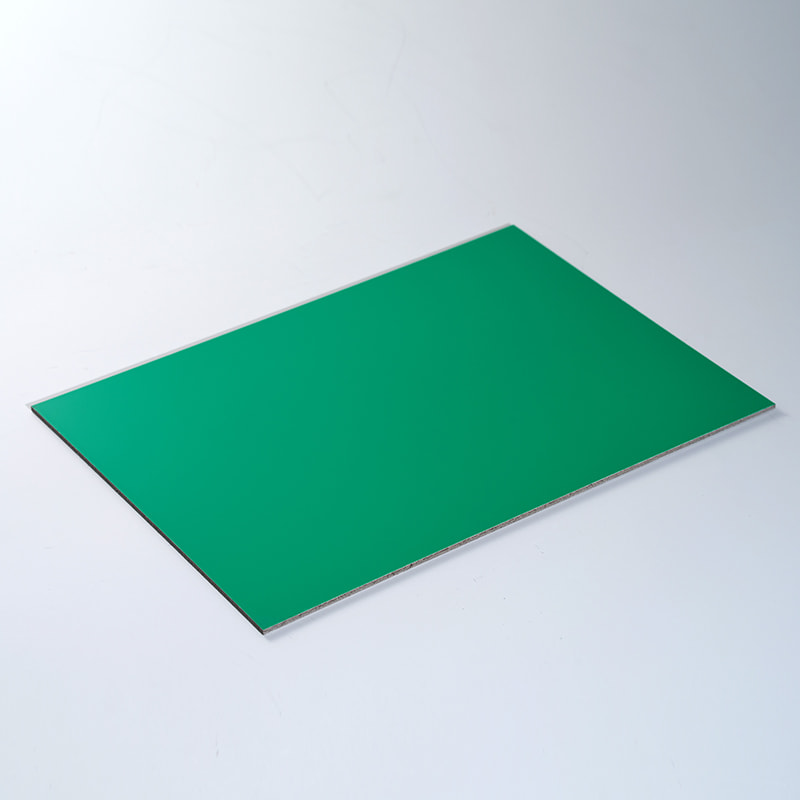 General Signage Aluminum Composite Panel
-
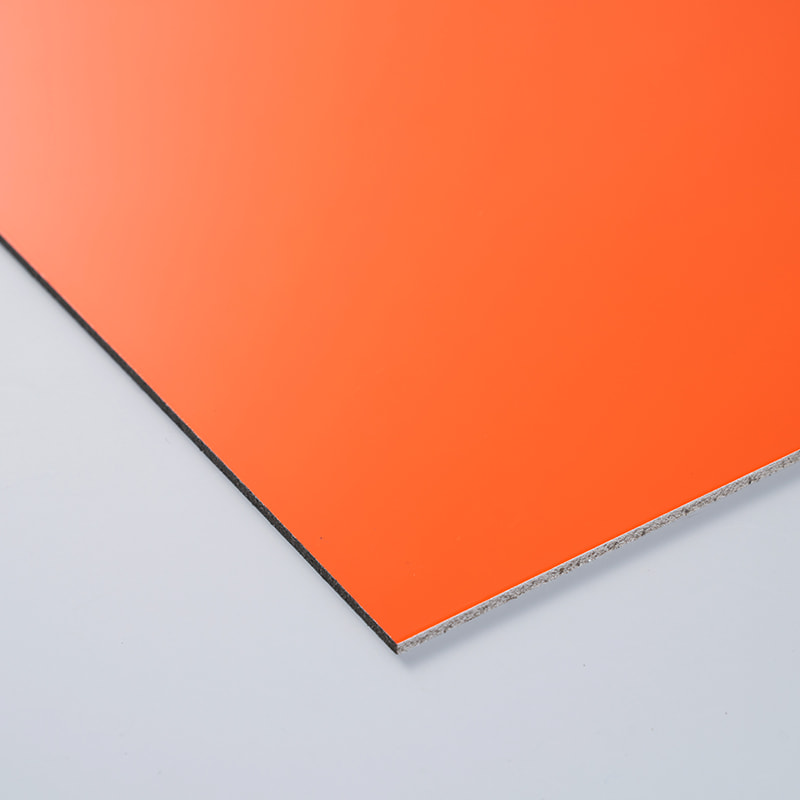
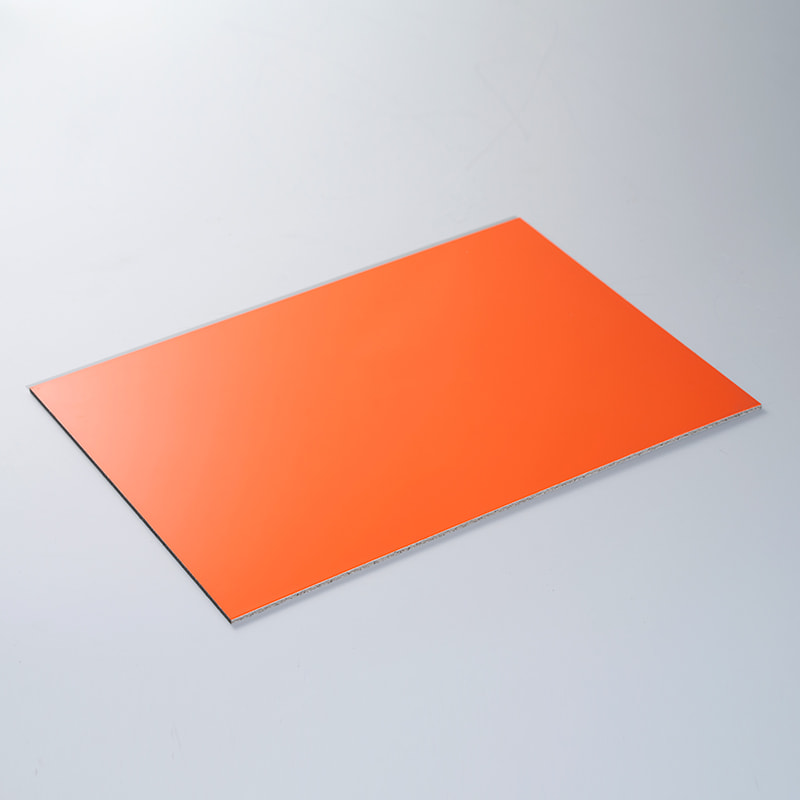 PE Aluminum Composite Panel
-
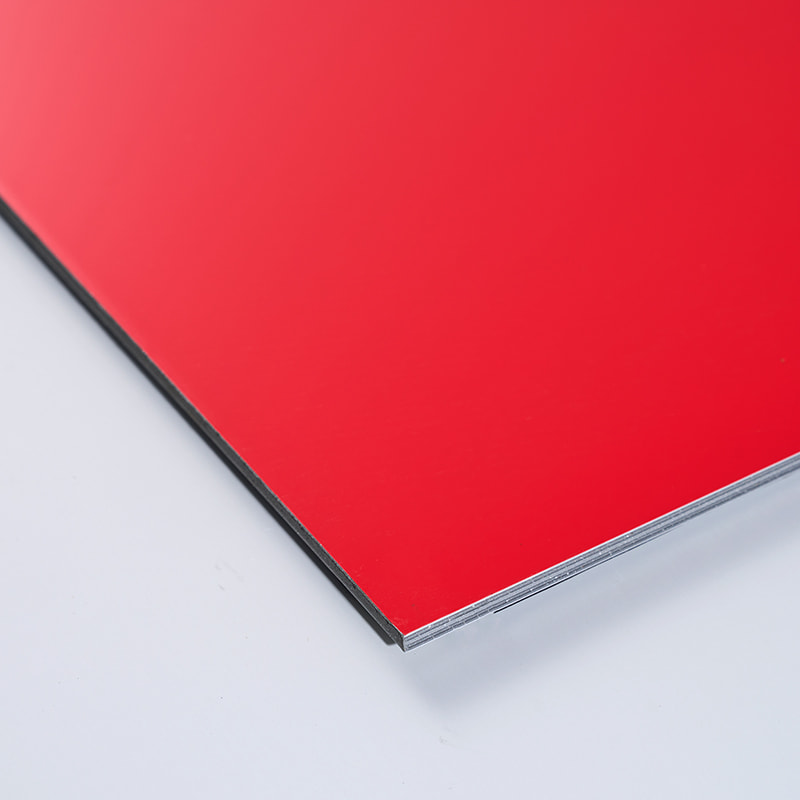
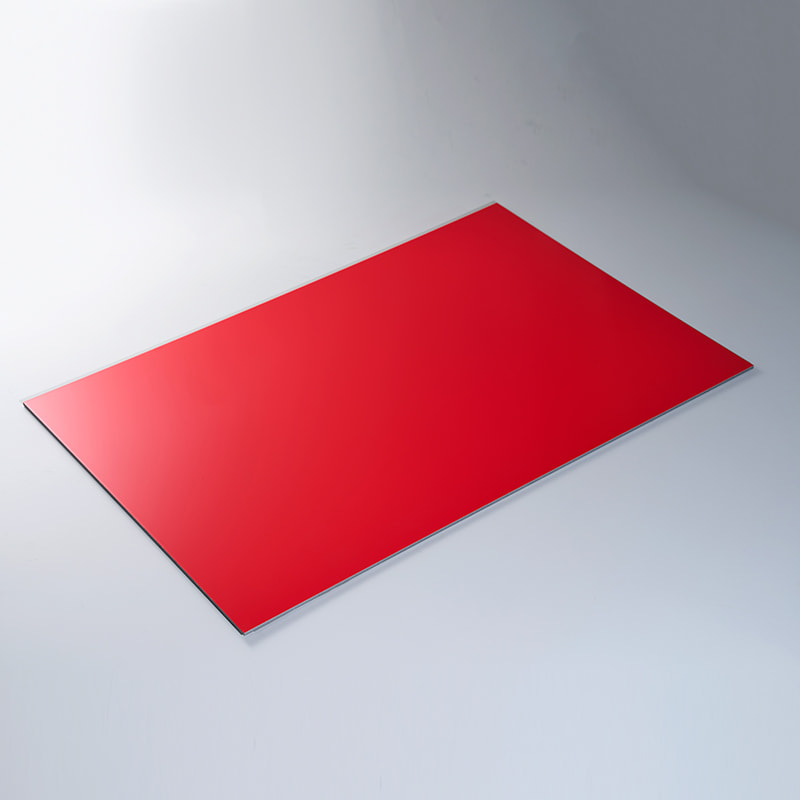 PVDF Aluminum Composite Panel
-
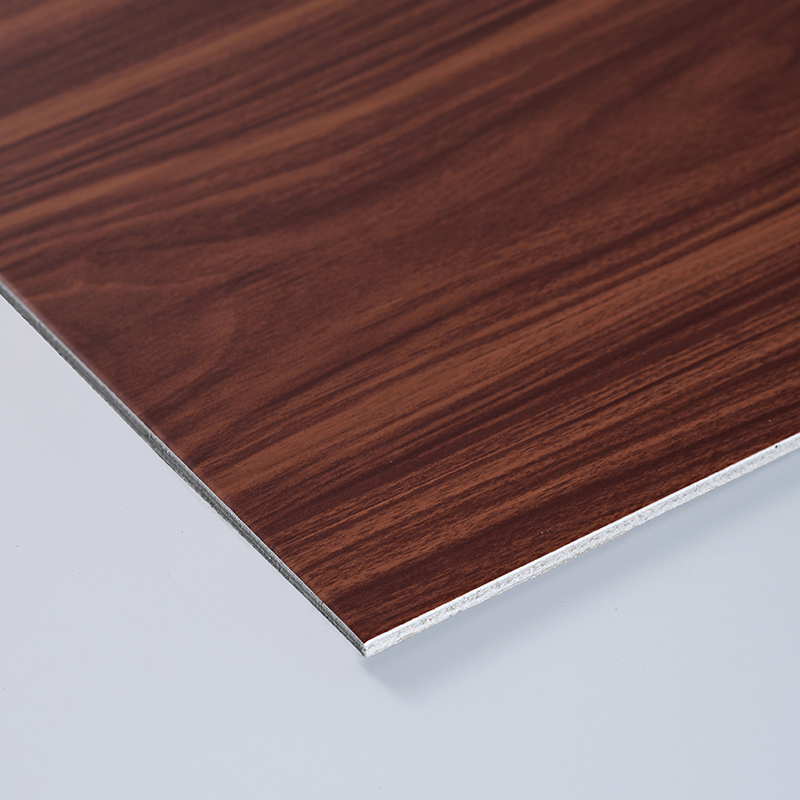
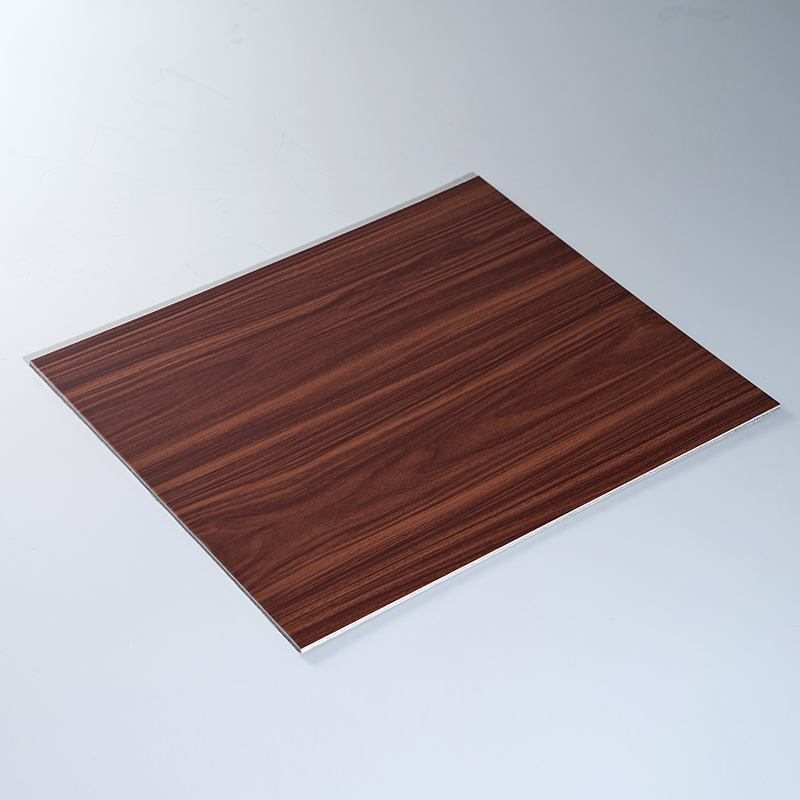 Wood-Grain Aluminum Composite Panel
-
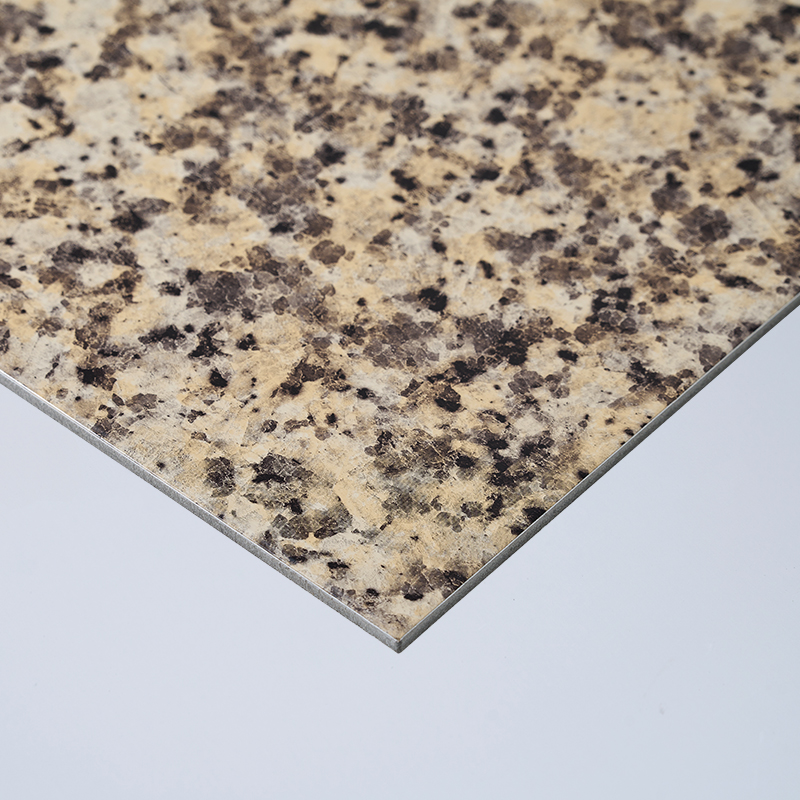
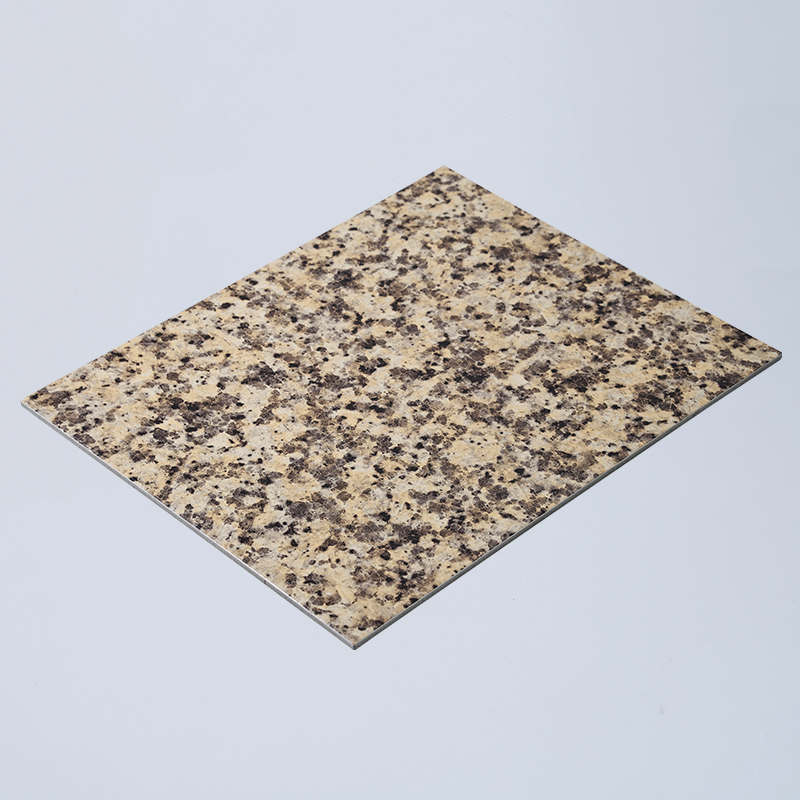 Granite Finish Aluminum Composite Panel
-
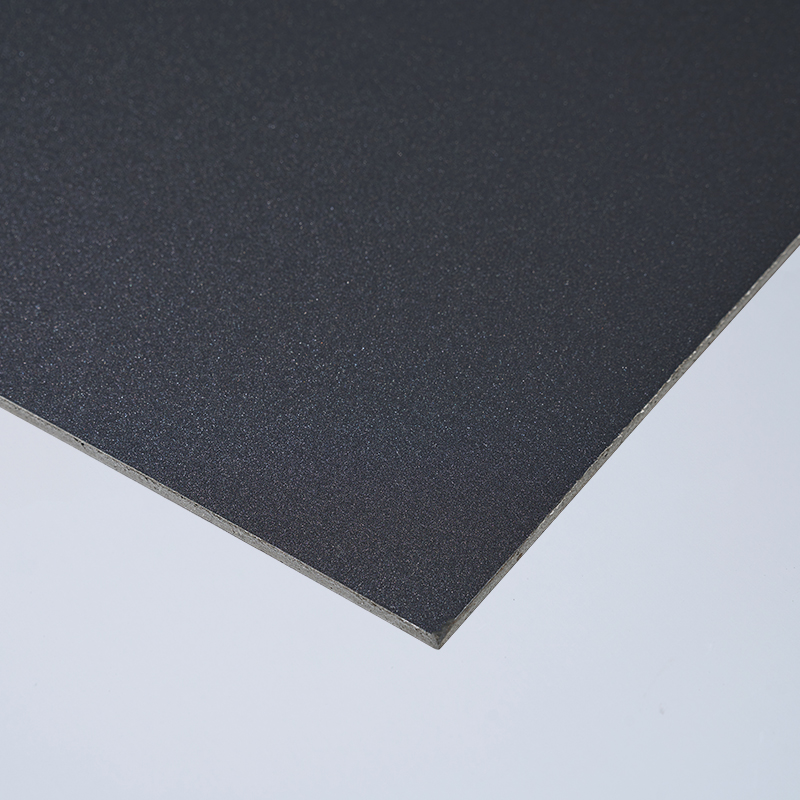
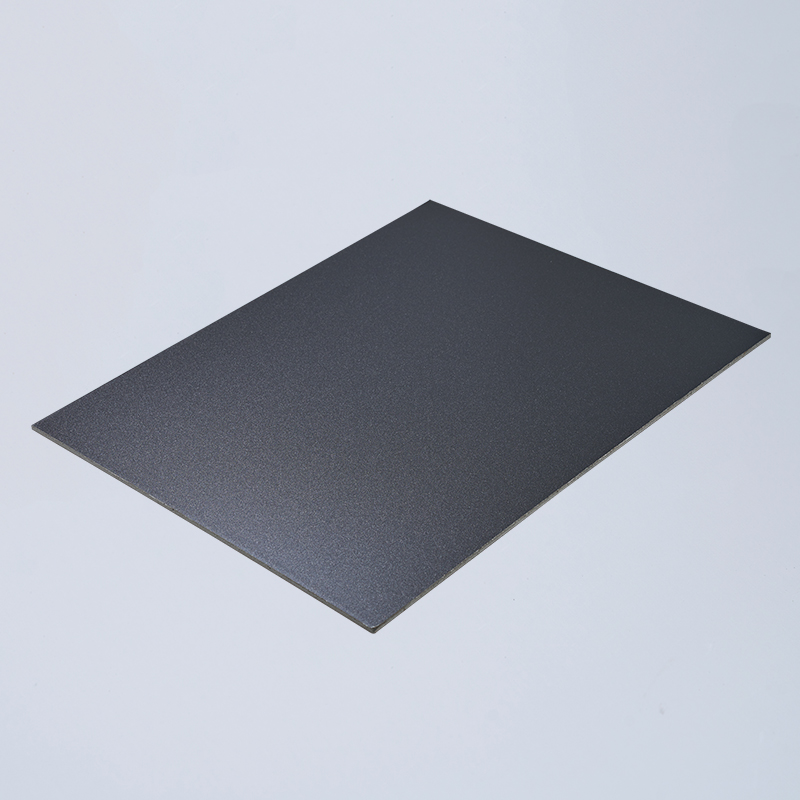 Pearlescent Aluminum Composite Panel
-
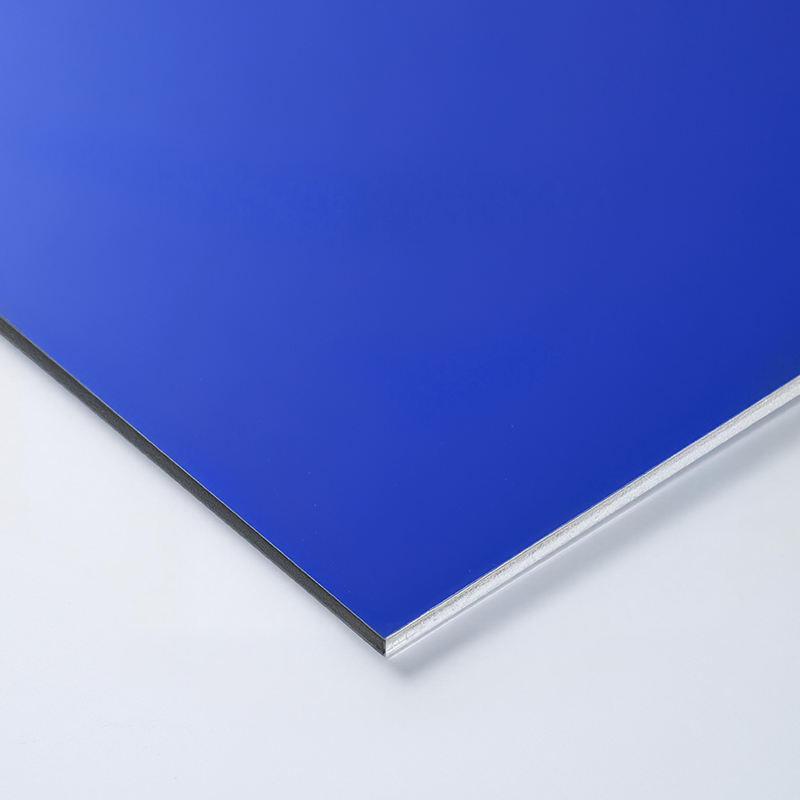
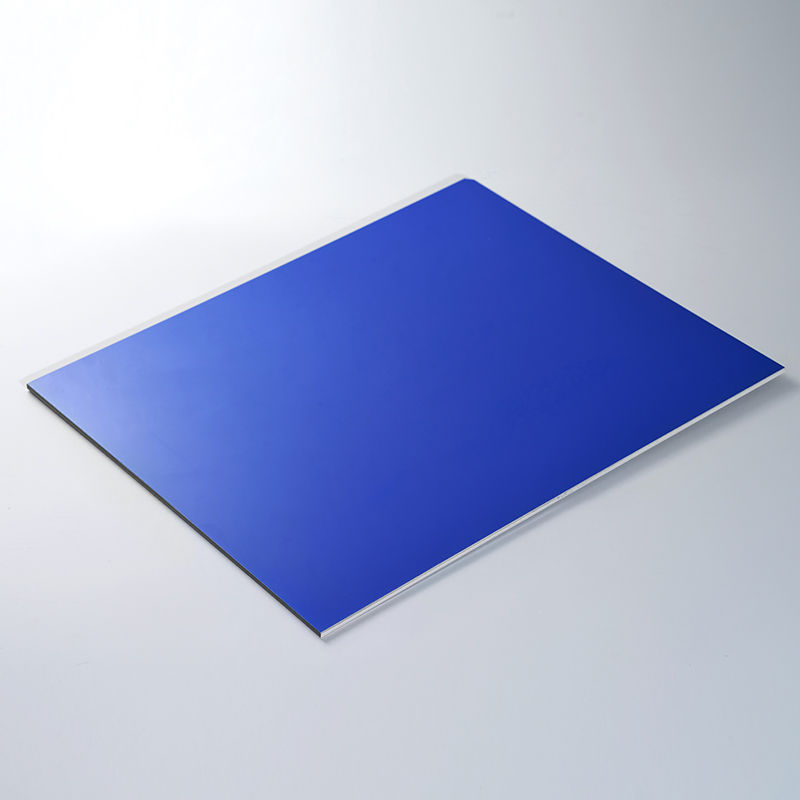 Matt Finish Aluminum Composite Panel
As an aluminum composite panel factory, we fully support personalized customization in terms of specifications, patterns, textures, fire ratings, and shapes.

Copyright © Taizhou Jiaxin New Material Technology Co., Ltd.
All Rights Reserved.
