 English
 中文简体
 Español
 عربى
 русский

Interior Aluminum Composite Panel Thickness for Different Wall Applications
Interior Aluminum Composite Panel consists of aluminum surface layers combined with a core material. Panel thickness refers to the overall construction rather than only the aluminum skin. The relationship between the surface layers and core influences how the panel behaves during handling, fabrication, and installation.
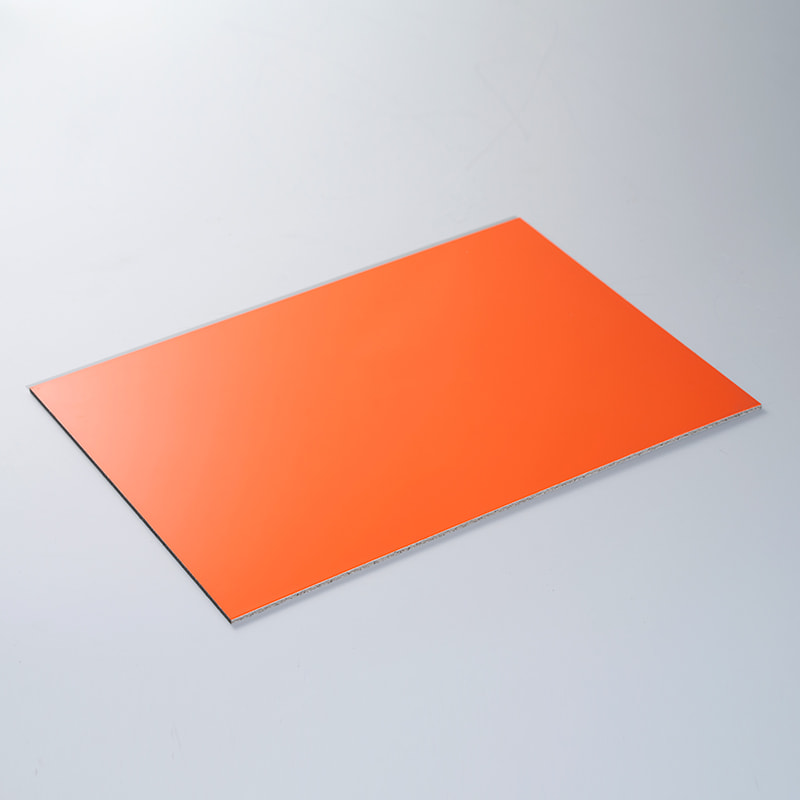
When selecting panel thickness for an interior project, the intended application should be considered before the purchasing decision is made. A decorative wall with a stable supporting surface may have different requirements from a large wall section that needs greater panel rigidity.
Aluminum skin thickness is also relevant. Two panels with a similar overall thickness may have different aluminum layer constructions. This can affect cutting, bending, surface behavior, and handling characteristics.
The core material should also be reviewed. Different core structures can provide different combinations of weight, rigidity, processing characteristics, and fire performance. For interior projects, these factors need to correspond with the requirements of the building and installation environment.
Thickness for Different Wall Conditions
Flat interior walls are commonly used for decorative panel applications. When the supporting structure is stable and the panel layout is relatively straightforward, the selected thickness can be based on the panel system, fixing method, and surface requirements.
Feature walls may require additional attention because large decorative surfaces can make panel flatness and joint alignment more noticeable. Panel dimensions and supporting conditions should therefore be considered together with thickness.
Large wall areas can involve longer panel spans, more joints, and different handling requirements. A panel construction with suitable rigidity can make fabrication and installation easier to manage.
Wall conditions also vary between projects. A smooth and stable substrate can provide a different installation environment from a surface requiring a separate framework. The thickness should therefore be evaluated together with the supporting system instead of being considered as an isolated specification.
Thickness and Panel Processing
Fabrication requirements can influence panel selection. Interior Aluminum Composite Panel may need to be cut around electrical outlets, lighting components, doors, ventilation openings, or other interior features.
Cutting tools and fabrication methods should follow the panel manufacturer's recommendations. Incorrect processing can damage the surface layer or create problems around panel edges.
Bending and folding are also relevant when a project includes corners, columns, decorative shapes, or integrated wall details. Panel construction affects how the material responds during forming. The selected panel should therefore support the required fabrication method.
Handling should also be considered. Larger or thicker panels may require additional attention during movement and positioning. The installation team should have a suitable method for transporting panels from the storage area to the working location without damaging the finished surface.
Selecting Thickness for Interior Projects
The wall condition is an important starting point. A project with a prepared supporting frame may have different panel requirements from a direct wall application. The selected fixing method should correspond with the panel construction and the substrate.
Panel size and layout also affect the decision. Larger panels can reduce the number of visible joints, but their handling and installation requirements need to be reviewed. Smaller panels may provide greater flexibility around complicated architectural features.
Surface finish should not be ignored. Decorative surfaces can have different visual requirements, particularly when the panels are installed across large areas. Consistent panel flatness, joint alignment, and color appearance can influence the final interior effect.
Installation conditions should also be reviewed. Areas around doors, windows, lighting, ventilation, and electrical equipment may require additional cutting and fabrication. A suitable panel construction can make these processes easier to manage.
For purchasing teams and interior contractors, panel thickness is therefore only one part of the specification. Overall panel construction, core type, aluminum skin, fabrication requirements, supporting structure, installation method, and intended interior application should all be reviewed together when selecting an Interior Aluminum Composite Panel.
-
 B1 Fire Rated Aluminum Composite Panel
-
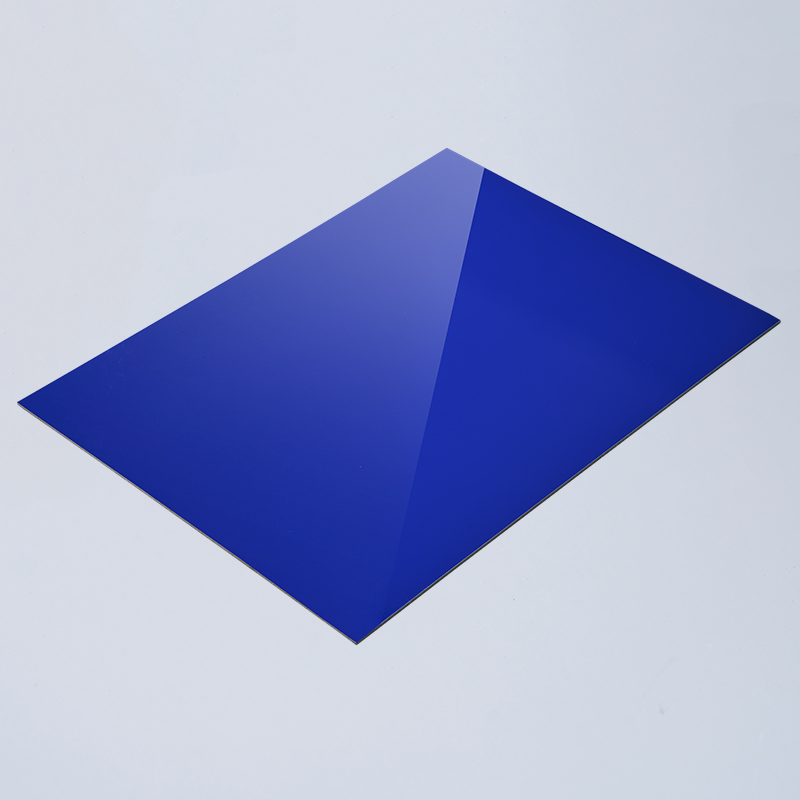 Light Box Signage Aluminum Composite Panel
-
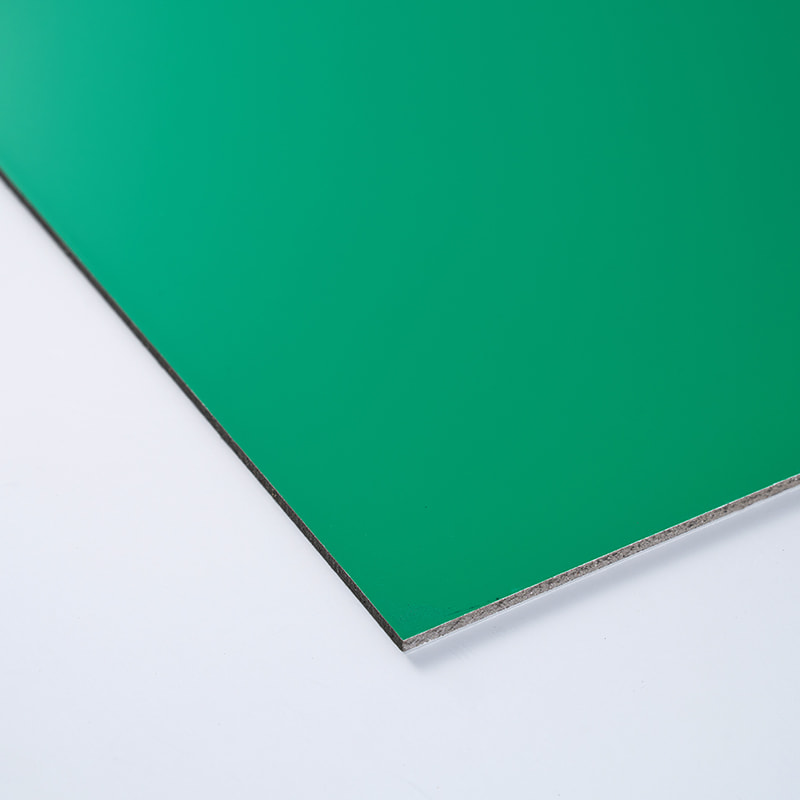
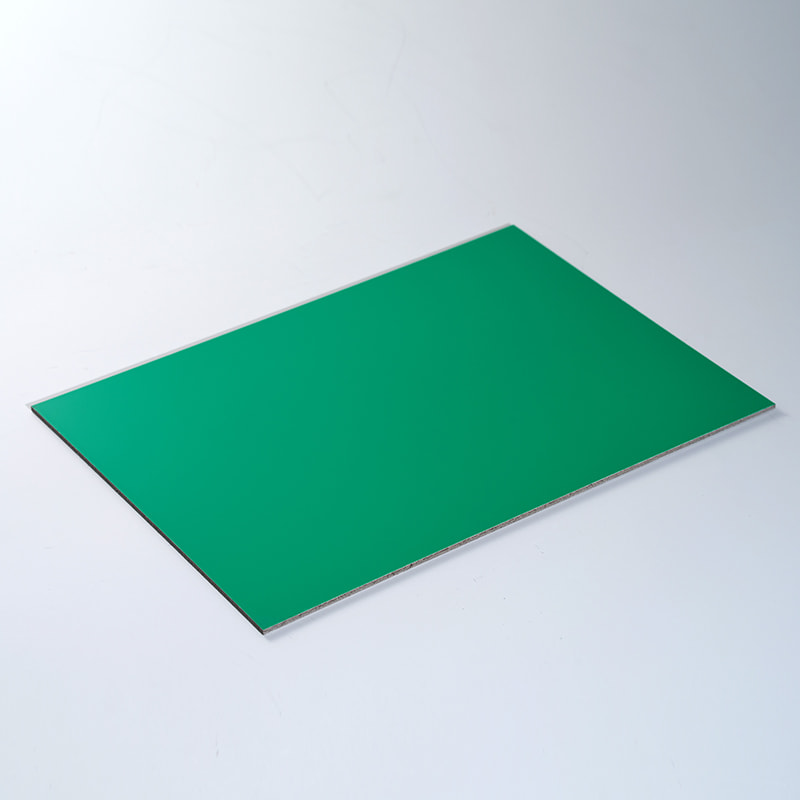 General Signage Aluminum Composite Panel
-
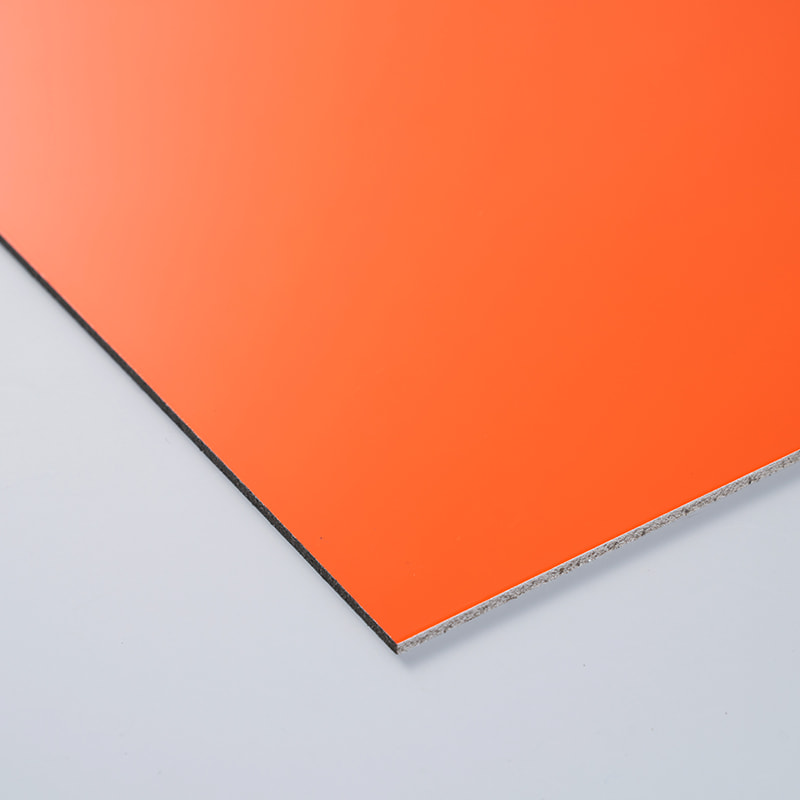 PE Aluminum Composite Panel
-
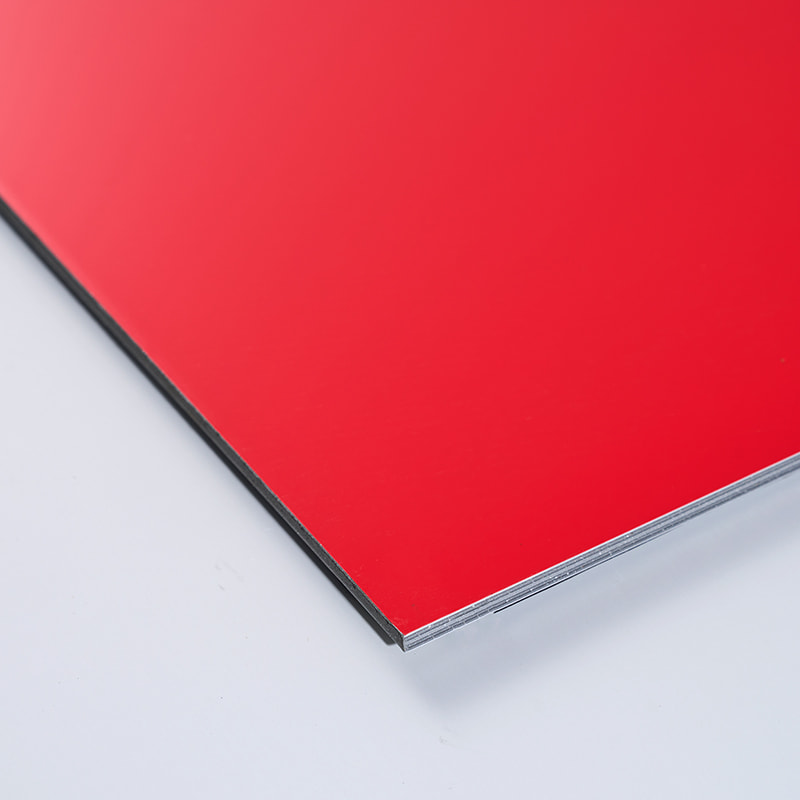
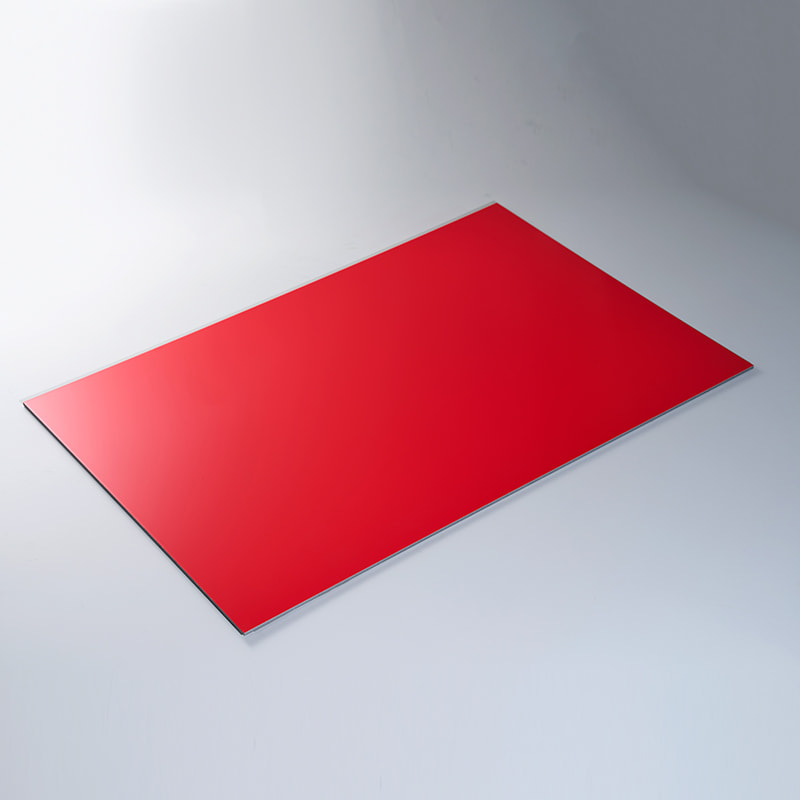 PVDF Aluminum Composite Panel
-
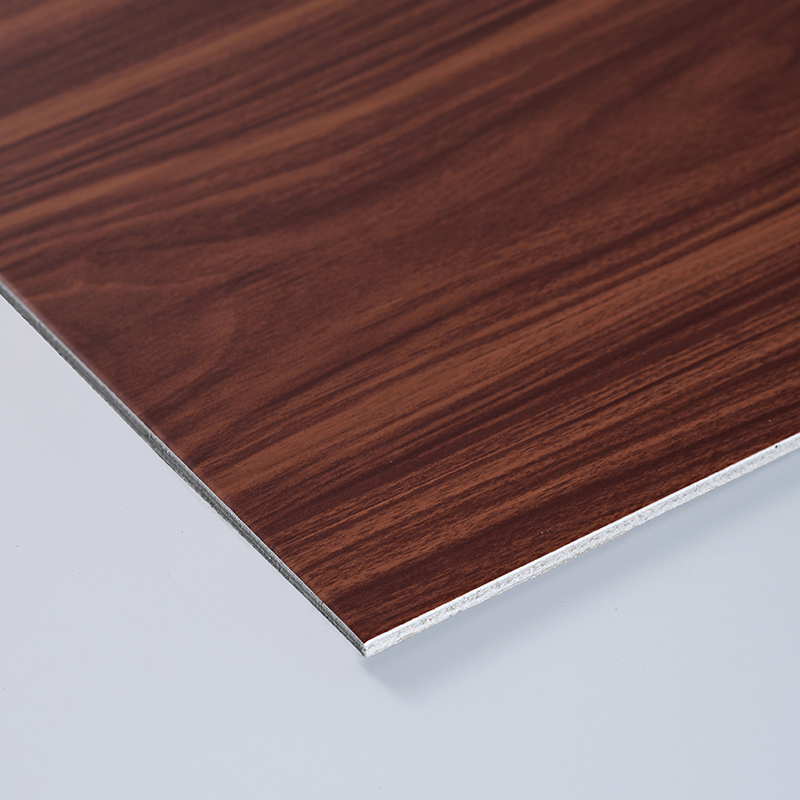
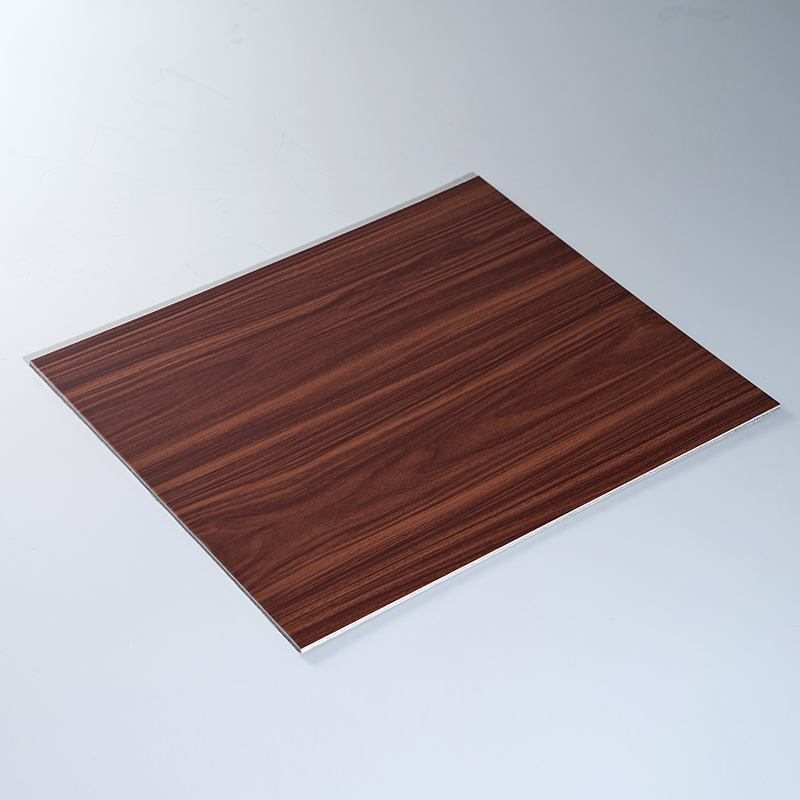 Wood-Grain Aluminum Composite Panel
-
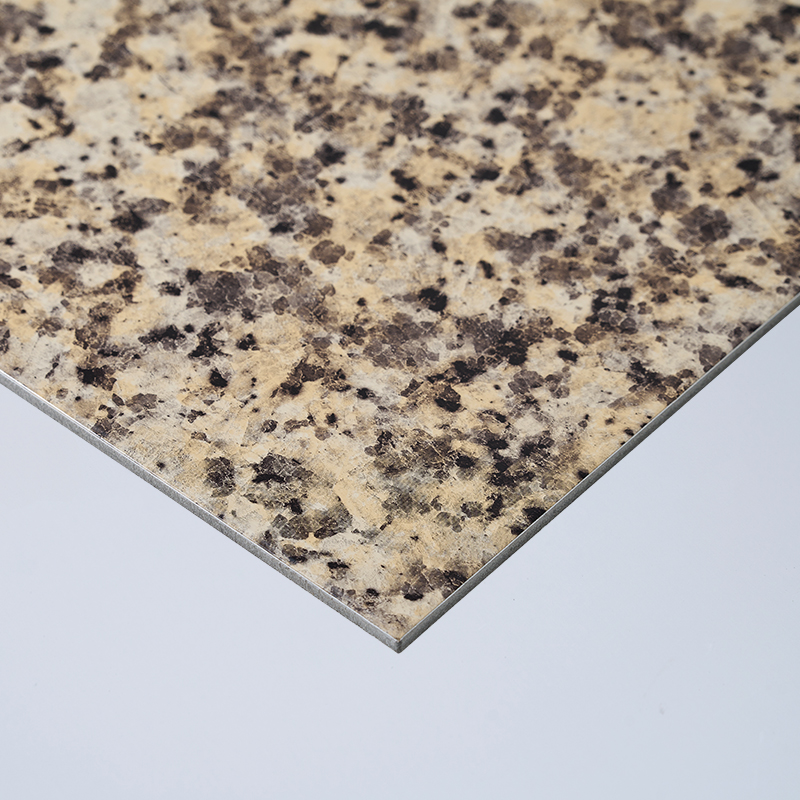
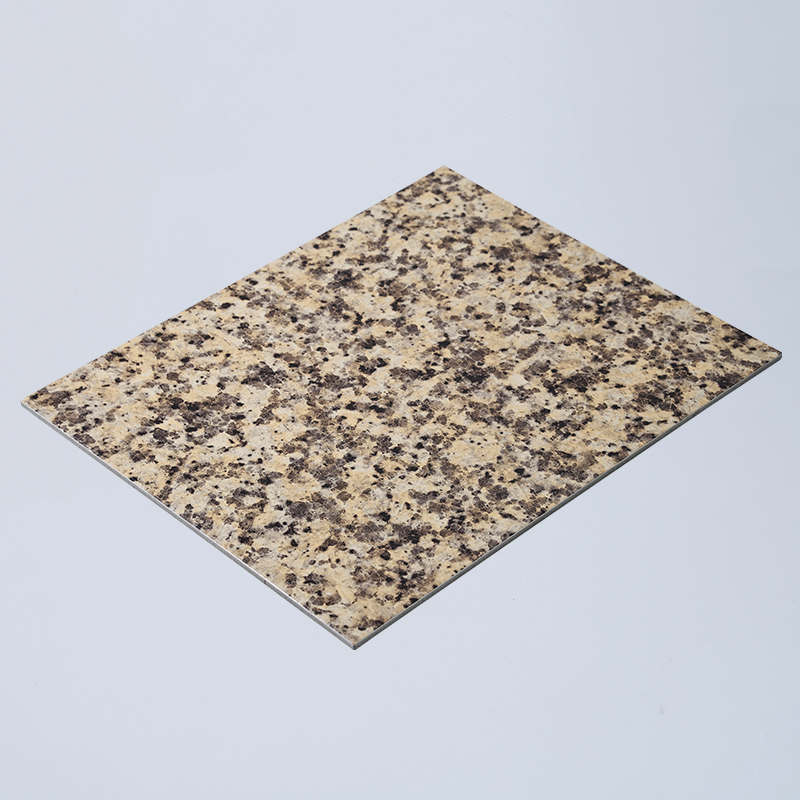 Granite Finish Aluminum Composite Panel
-
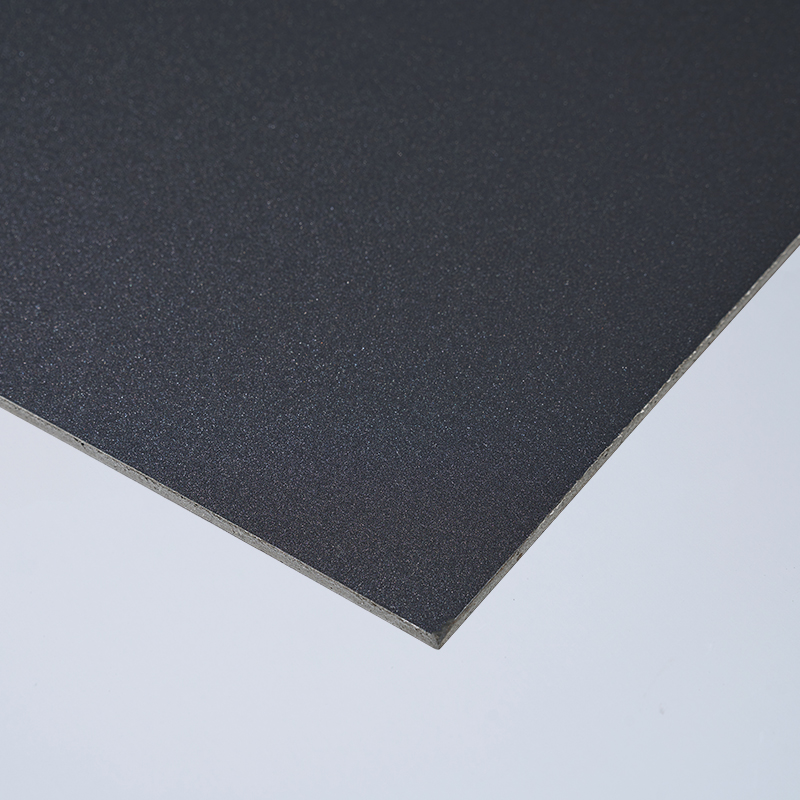
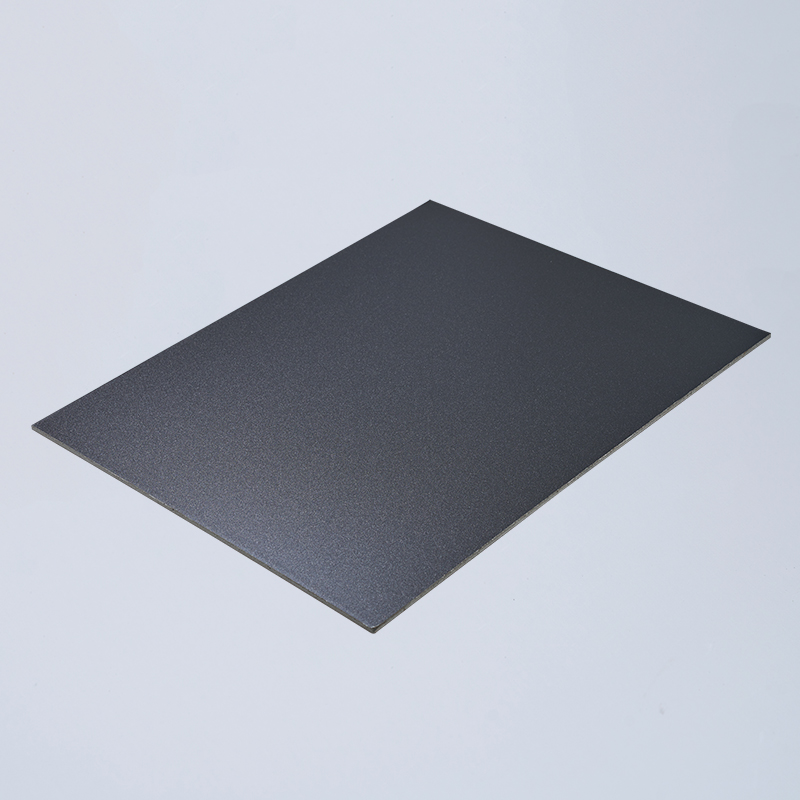 Pearlescent Aluminum Composite Panel
-
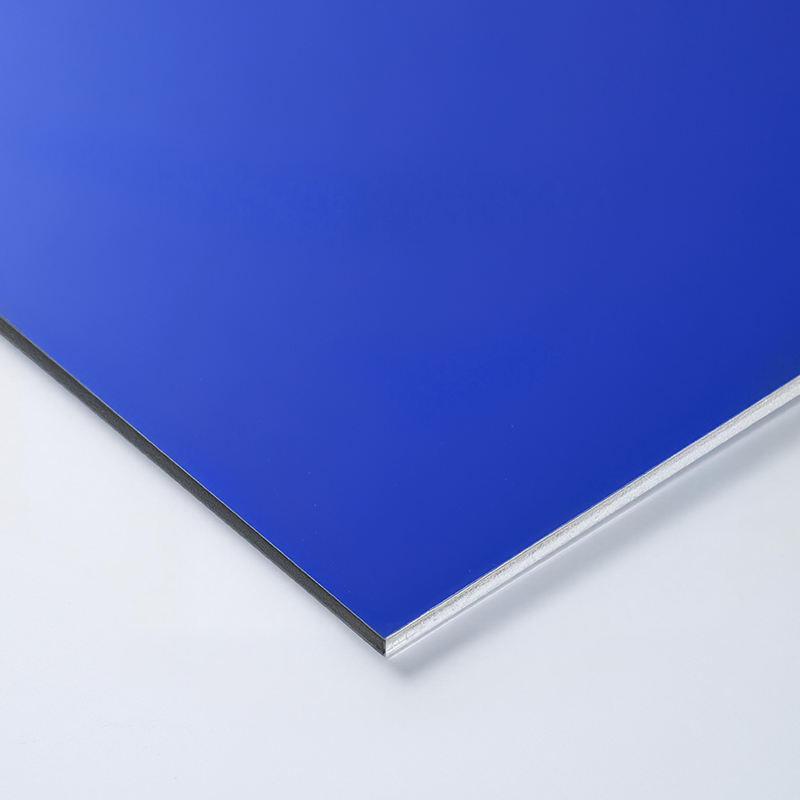
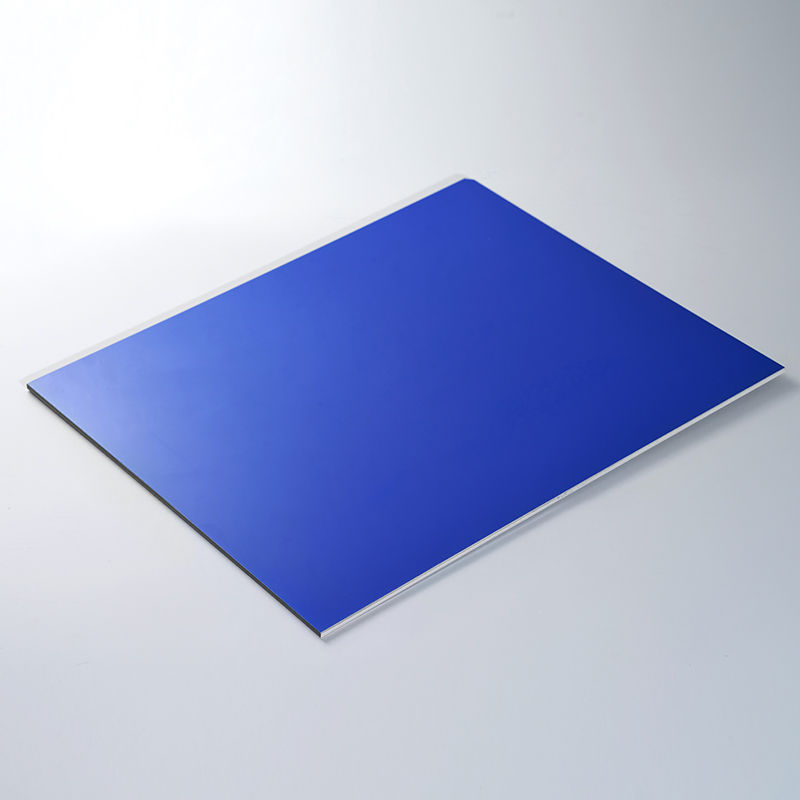 Matt Finish Aluminum Composite Panel
As an aluminum composite panel factory, we fully support personalized customization in terms of specifications, patterns, textures, fire ratings, and shapes.

Copyright © Taizhou Jiaxin New Material Technology Co., Ltd.
All Rights Reserved.
