 English
 中文简体
 Español
 عربى
 русский

Interior Aluminum Composite Panel Applications for Modern Interior Spaces
Interior Aluminum Composite Panel is widely considered for indoor wall decoration because it combines a metal surface with a lightweight core structure. This construction allows panels to provide a clean visual surface while remaining convenient to handle during interior projects. Depending on the design requirements, panels can be used across complete walls or selected areas that need a decorative feature.
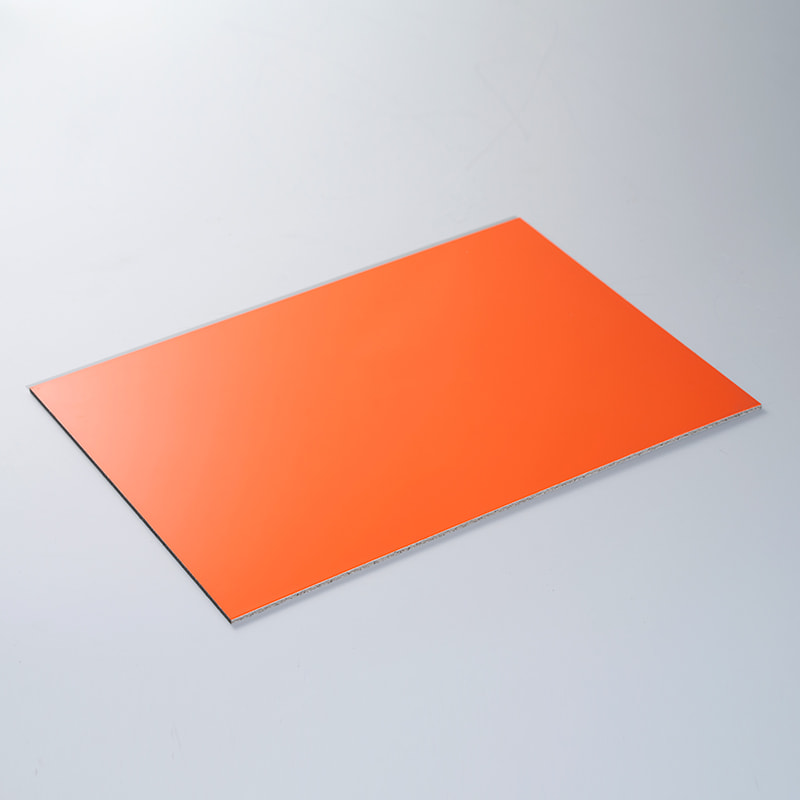
Feature walls are a common application. An interior designer may use a contrasting color, metallic surface, wood appearance, or stone-inspired finish to create a distinct visual area. This approach can be applied to reception areas, retail spaces, offices, showrooms, and other commercial environments.
Office interiors can also use aluminum composite panels for wall decoration. Panels can create a consistent appearance across work areas, meeting rooms, corridors, and reception spaces. Different colors or finishes can help separate functional areas without requiring major changes to the surrounding structure.
Retail interiors have additional design requirements because wall surfaces often need to work with product displays, lighting, signage, and furniture. Interior Aluminum Composite Panel can provide a smooth background for these elements. Panels can also be fabricated around selected architectural features, allowing the wall treatment to follow the layout of the space.
Ceiling and Partition Applications
Interior Aluminum Composite Panel can also be used for ceiling decoration. Ceiling panels can create a coordinated appearance between overhead surfaces and surrounding walls. Depending on the supporting structure and installation method, panels may be incorporated into suspended ceiling systems or other interior frameworks.
Partitions provide another application. In offices, stores, exhibition areas, and hospitality spaces, partitions can separate functional zones while maintaining a consistent interior design. Aluminum composite panels can be applied to partition surfaces to create a finished appearance on one or both sides.
When panels are used for ceilings or partitions, the supporting structure should be considered carefully. Panel dimensions, fixing methods, access requirements, and the location of lighting or ventilation equipment can affect the overall installation plan.
Applications in Commercial Spaces
Commercial environments often combine appearance with practical maintenance requirements. Retail stores may use Interior Aluminum Composite Panel around product display areas, counters, columns, and wall sections. The surface can be selected according to the visual theme of the store.
Hotels and restaurants may use decorative panels in reception areas, dining spaces, corridors, and feature sections. Different finishes can help create a consistent visual language throughout the interior.
Column cladding is another application. Existing columns can be covered with fabricated panels to integrate them into the surrounding interior design. This can be useful when the structural elements need to visually match nearby walls or decorative features.
Elevator surrounds may also use aluminum composite panels. The panels can be processed to fit around doors, corners, and adjacent wall surfaces, creating a coordinated appearance.
Choosing Panels for Different Spaces
Panel selection should begin with the actual location and purpose of the installation. Wall panels in a busy retail area may have different requirements from decorative panels in a private office. Areas exposed to frequent contact may require a surface that is convenient to clean and maintain.
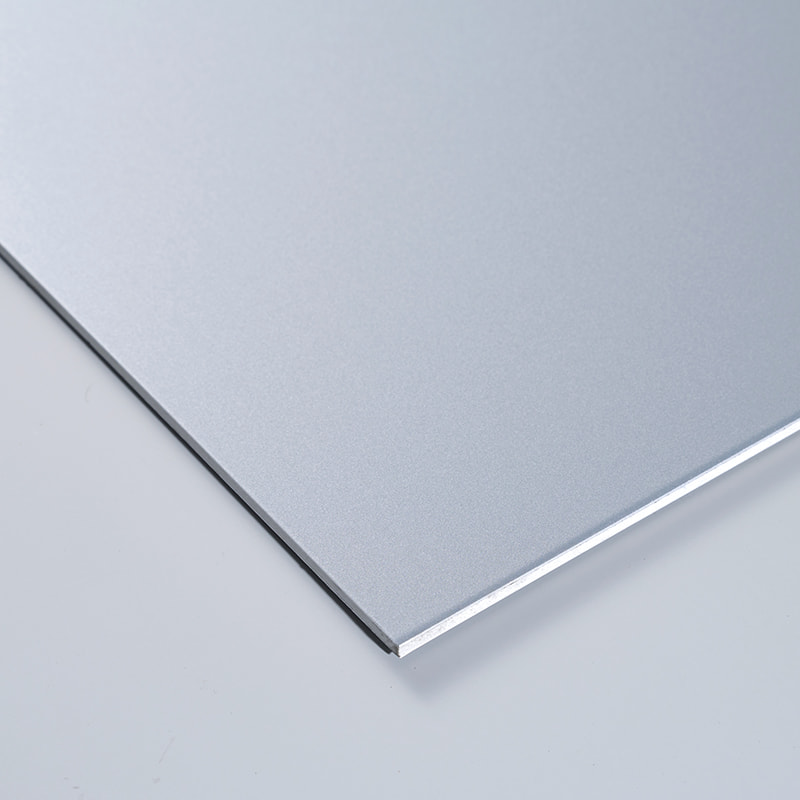
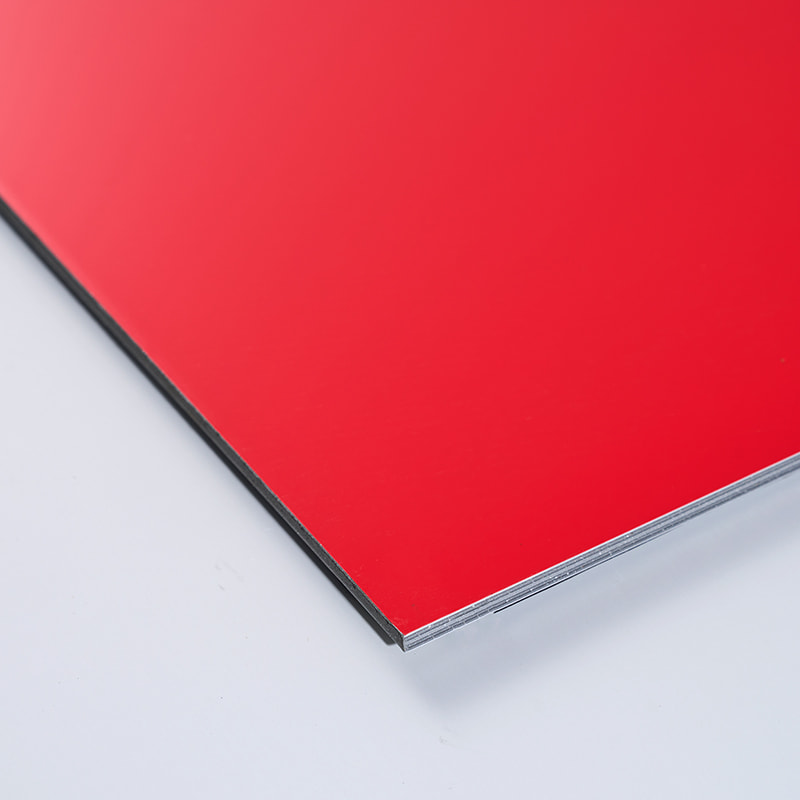
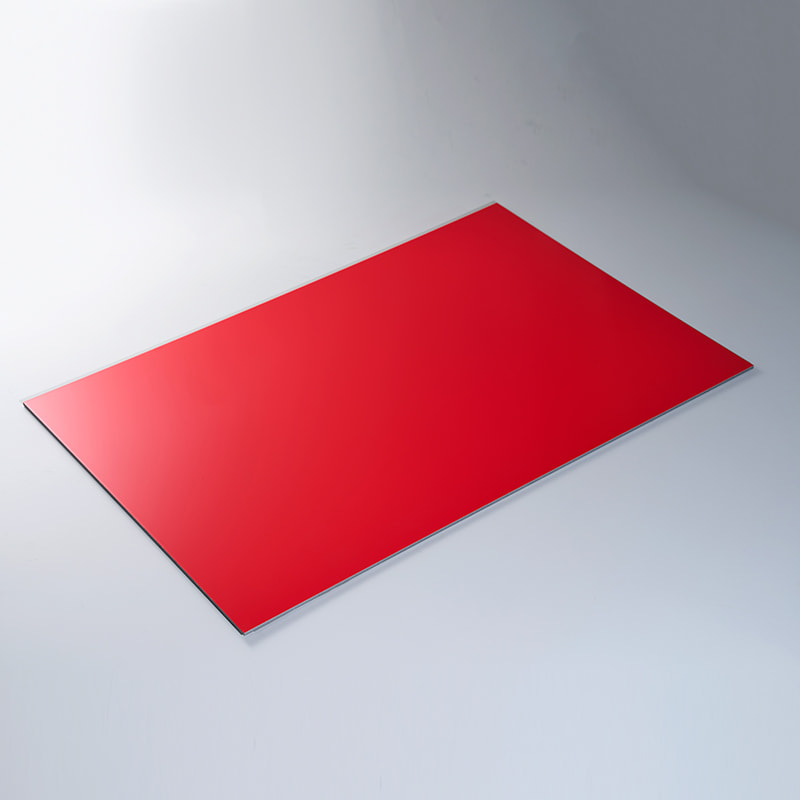
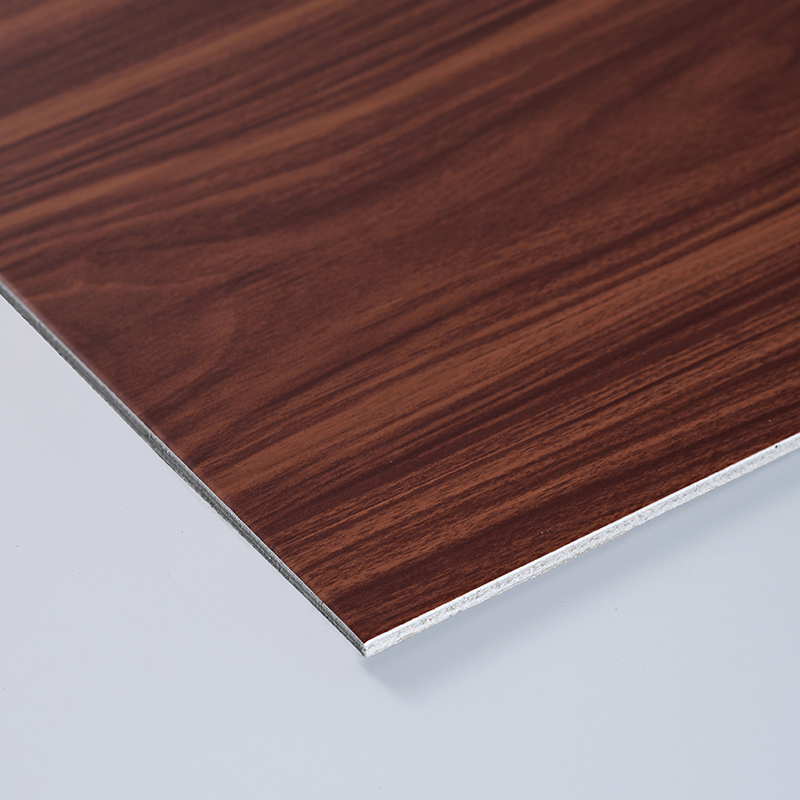
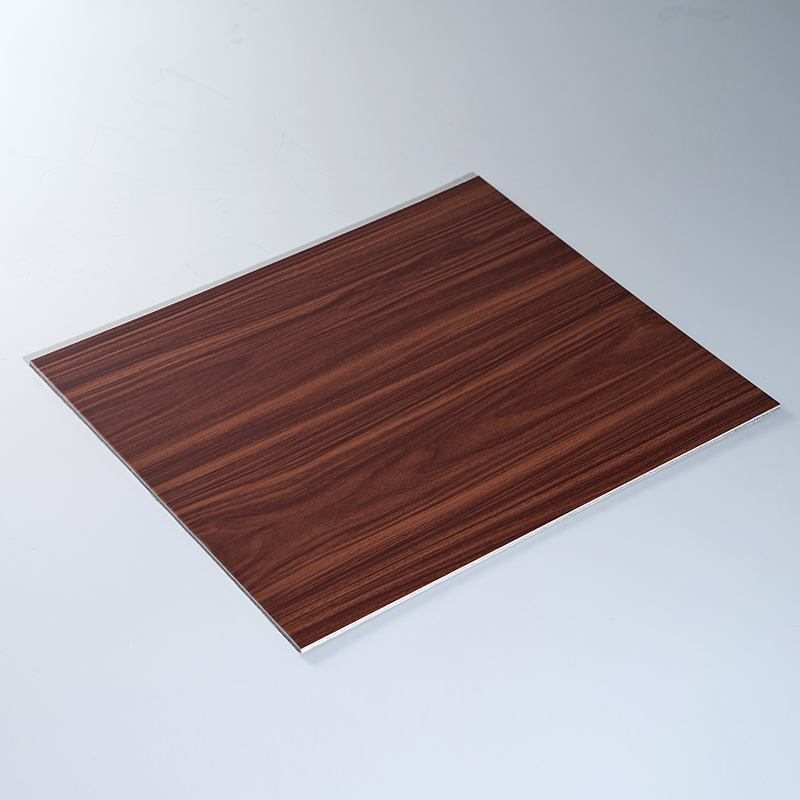
Color and finish also affect the visual result. Matte surfaces can create a restrained appearance, while metallic or gloss finishes can add a different visual character. Wood and stone-inspired surfaces can be considered when the design requires a natural material appearance without using solid wood or stone across the entire surface.
Installation conditions should also be reviewed. The wall condition, supporting system, panel size, joint arrangement, and access for electrical or ventilation equipment can all influence the selected panel solution.
By considering the application, interior environment, surface appearance, installation structure, and maintenance requirements together, Interior Aluminum Composite Panel can be incorporated into a wide range of modern interior spaces.
-
 B1 Fire Rated Aluminum Composite Panel
-
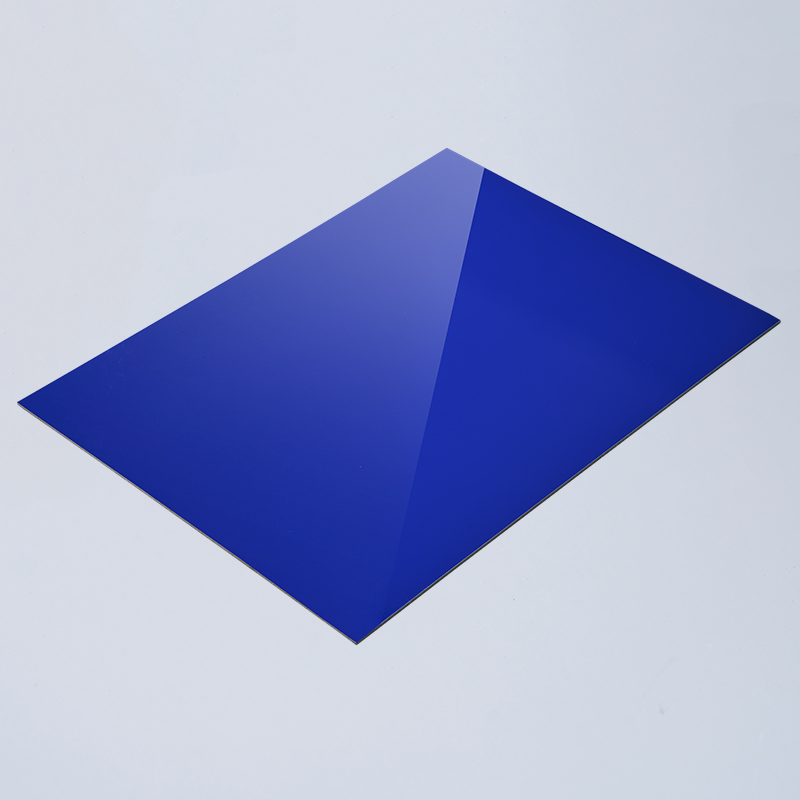 Light Box Signage Aluminum Composite Panel
-
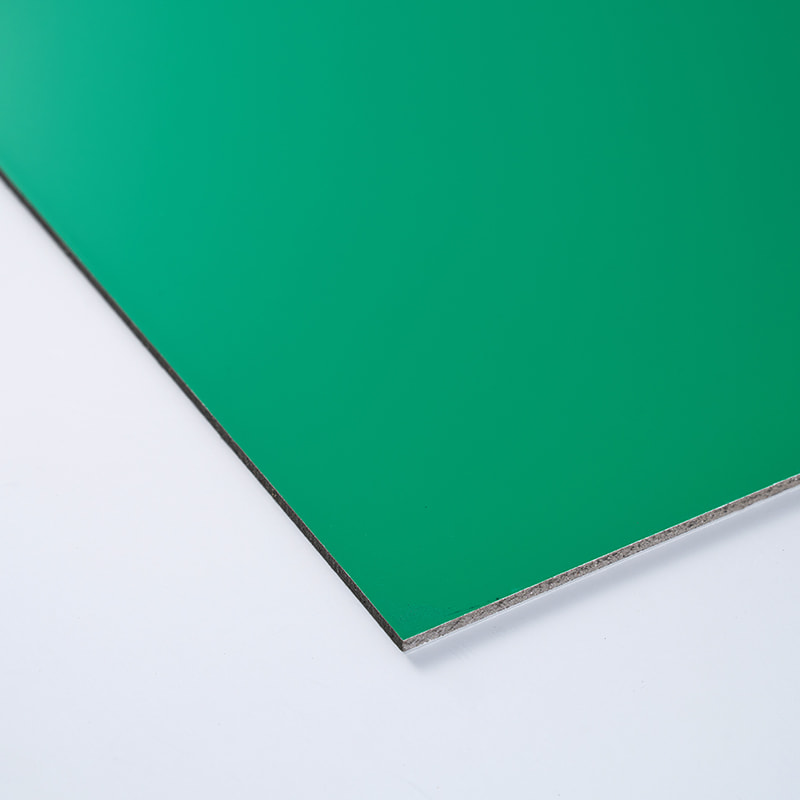
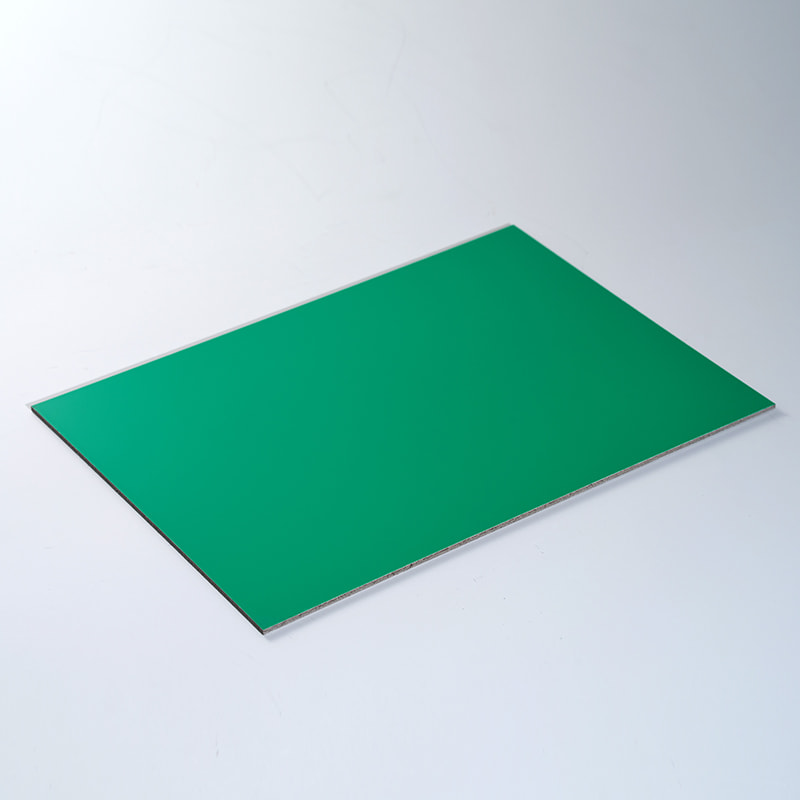 General Signage Aluminum Composite Panel
-
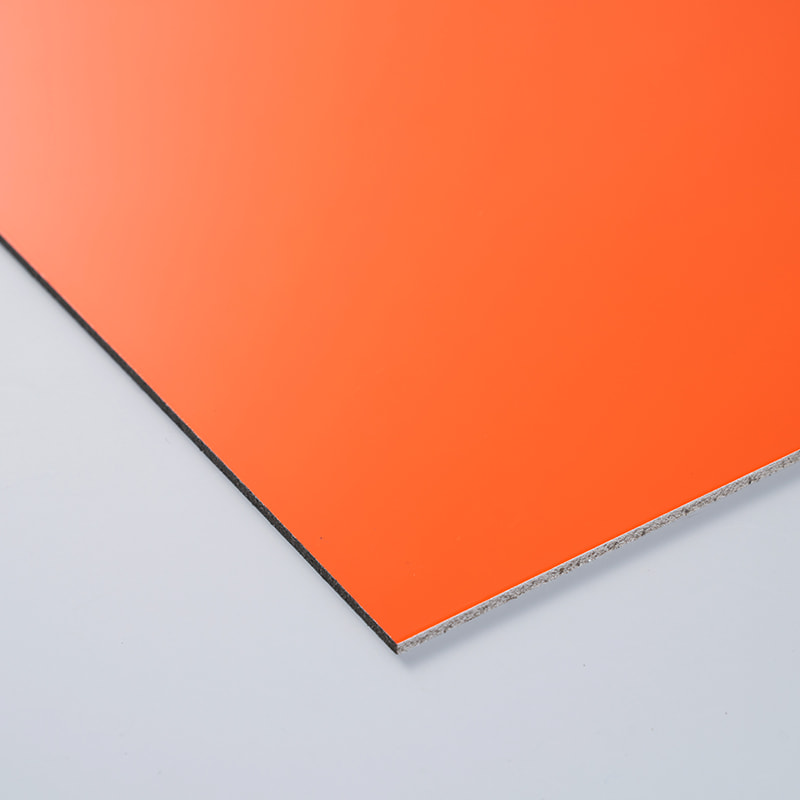 PE Aluminum Composite Panel
-
 PVDF Aluminum Composite Panel
-
 Wood-Grain Aluminum Composite Panel
-
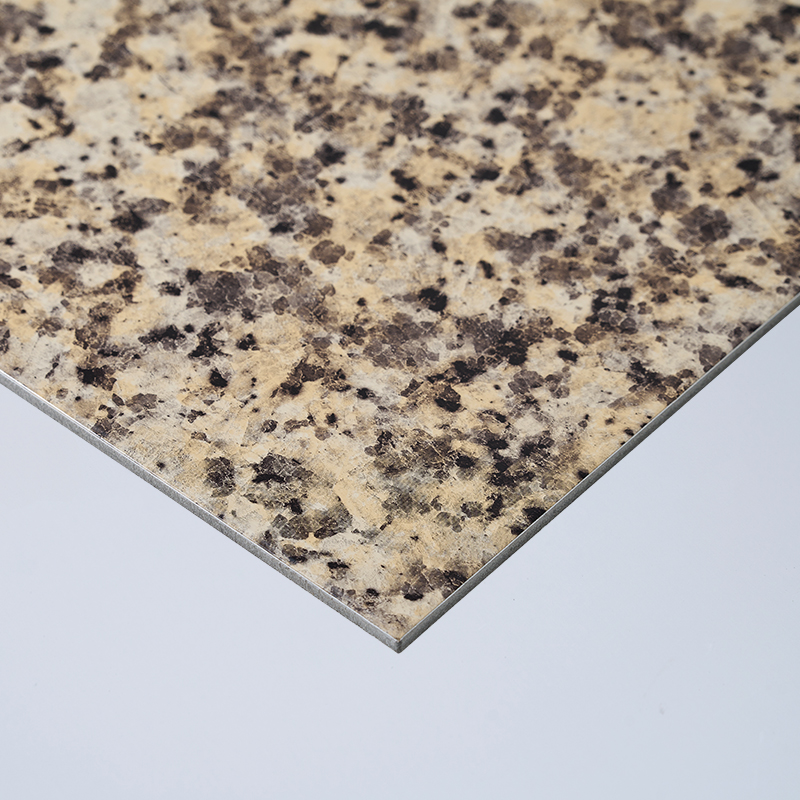
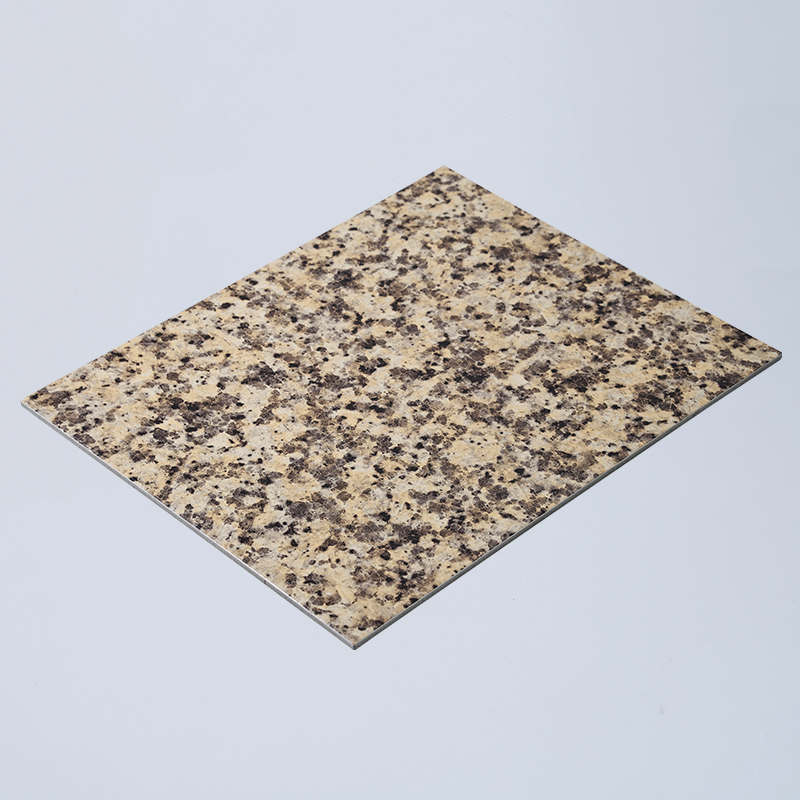 Granite Finish Aluminum Composite Panel
-
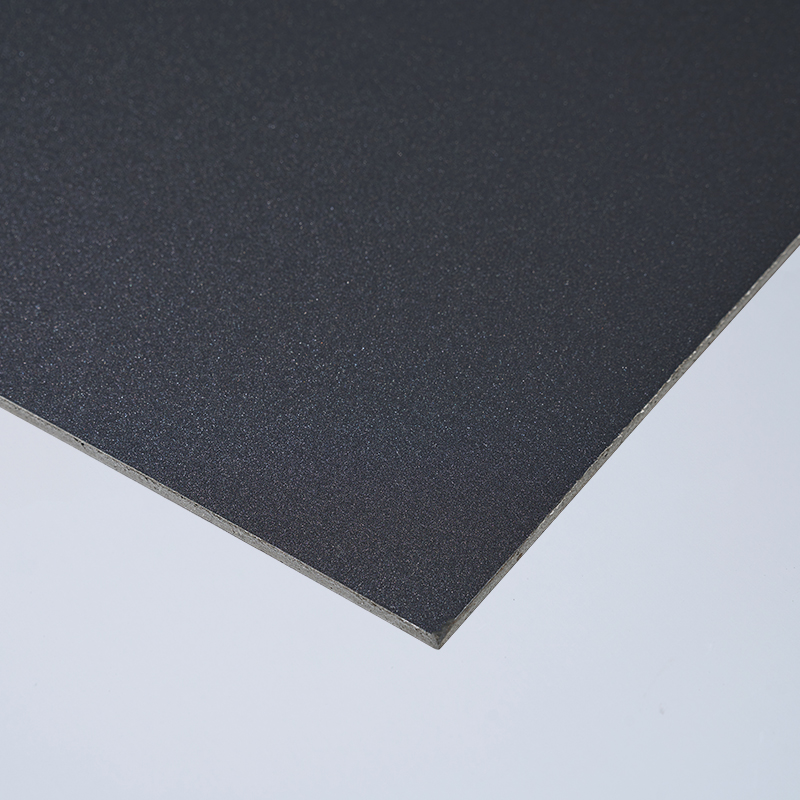
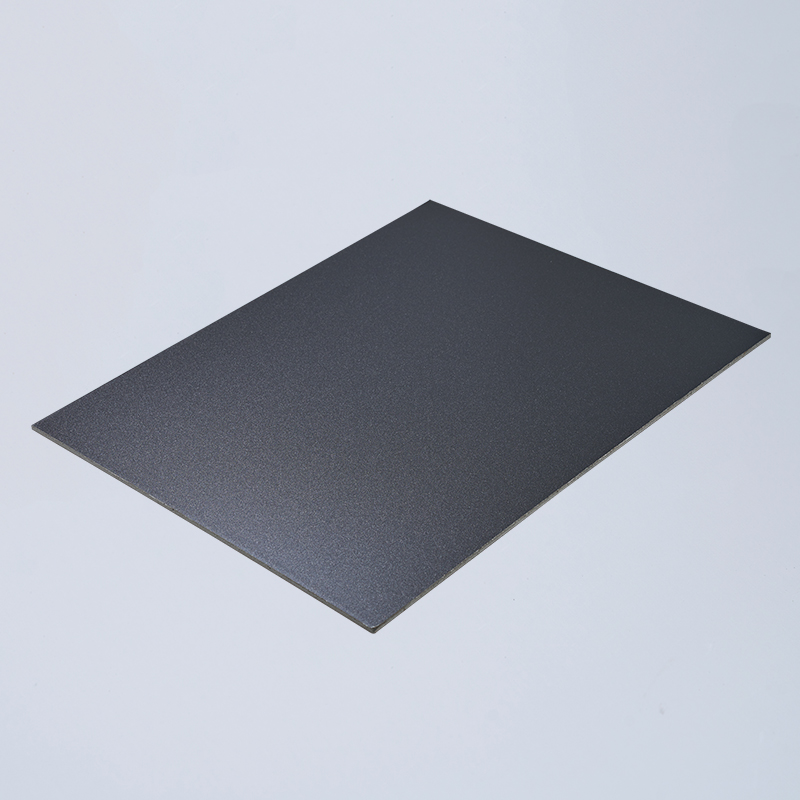 Pearlescent Aluminum Composite Panel
-
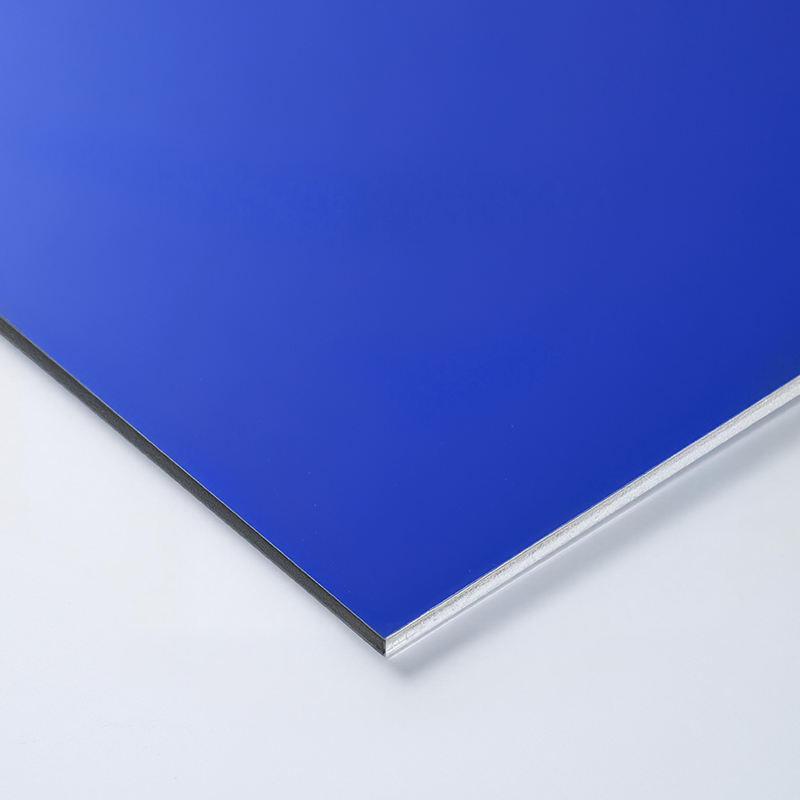
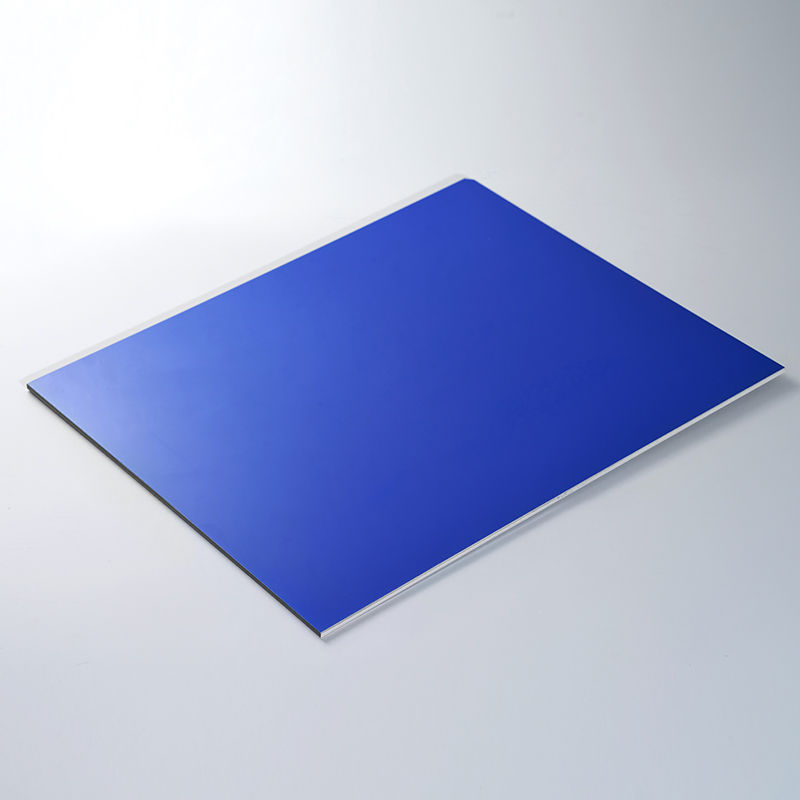 Matt Finish Aluminum Composite Panel
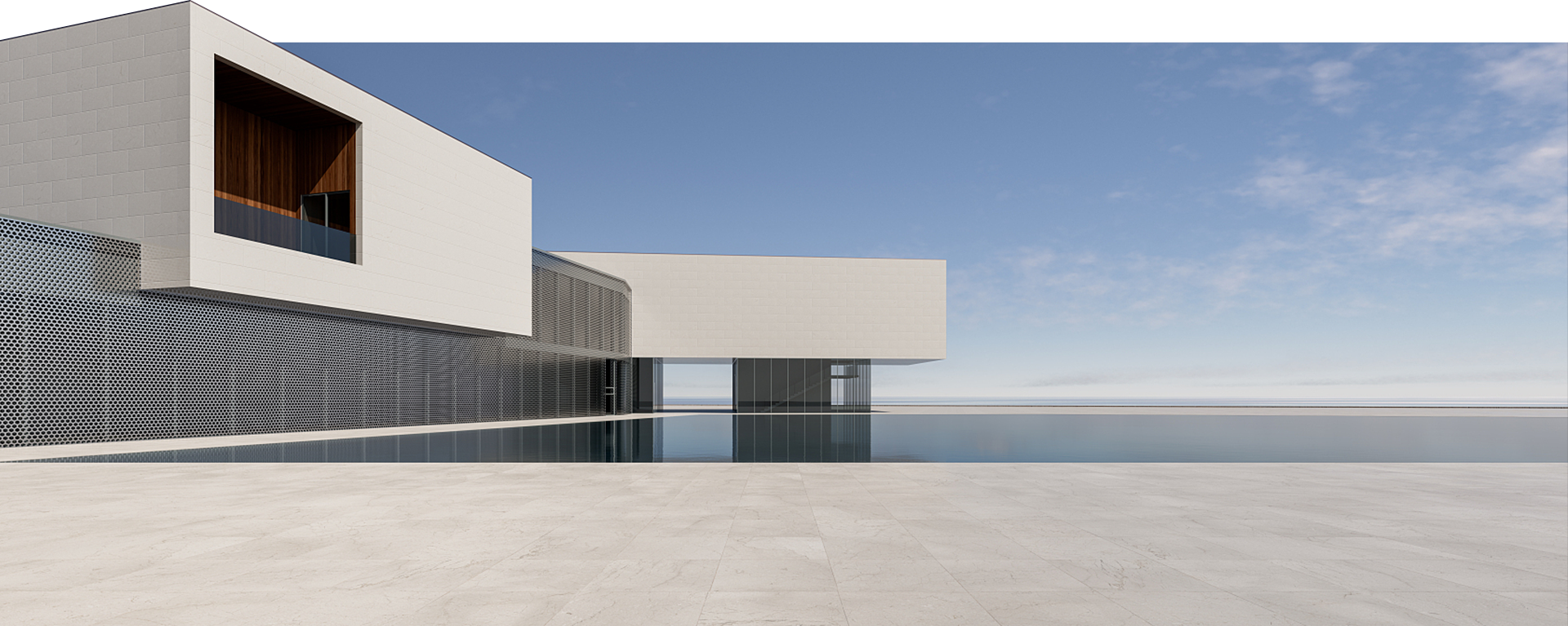
As an aluminum composite panel factory, we fully support personalized customization in terms of specifications, patterns, textures, fire ratings, and shapes.

Copyright © Taizhou Jiaxin New Material Technology Co., Ltd.
All Rights Reserved.
