 English
 中文简体
 Español
 عربى
 русский

Exterior Aluminum Composite Panel Performance in Building Renovation Projects
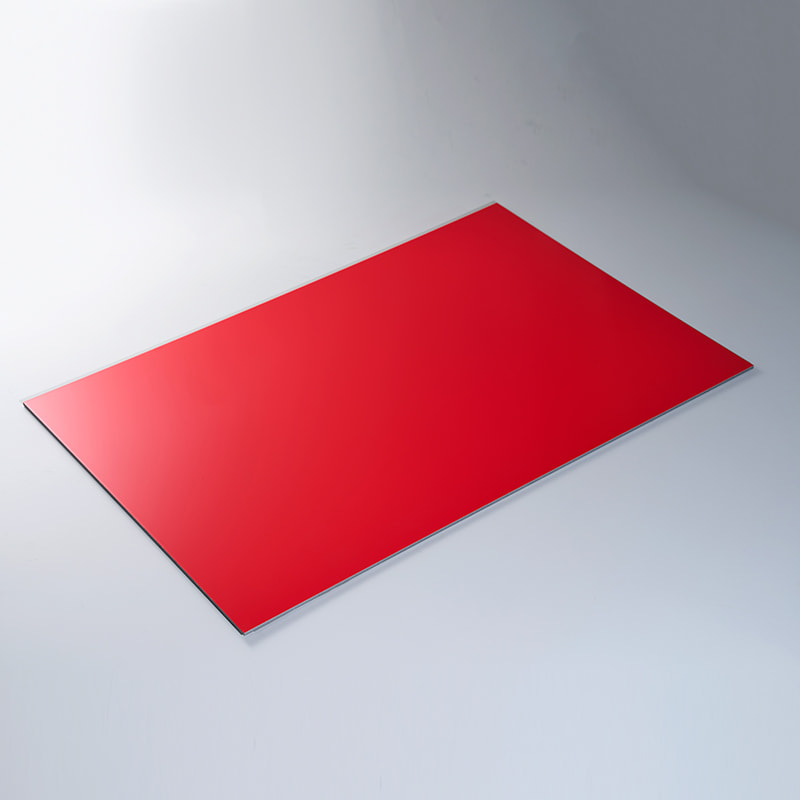
Building renovation projects often involve more complicated material decisions than new construction. Existing wall structures, uneven surfaces, limited installation space, and different architectural styles can all affect material selection. Exterior Aluminum Composite Panel offers a practical option for updating commercial facades, retail buildings, office spaces, and other properties. For contractors and material distributors, understanding the details of panel selection before ordering can help avoid installation difficulties and unnecessary material waste.
Adapting Panel Specifications to Existing Buildings
When renovating an existing facade, the original wall structure should be evaluated before selecting new cladding materials. Not every building has the same supporting conditions, and panel dimensions must match the planned installation method.
We recommend checking the following details before confirming an order:
- Existing wall conditions and supporting structures.
- Required panel dimensions and thickness.
- Available fixing and installation space.
- Building corners, window openings, and edge details.
Providing drawings or project measurements to the manufacturer can make specification discussions more accurate.
Flatness and Appearance During Installation
A clean facade depends on more than the panel surface itself. Incorrect fabrication, unsuitable support spacing, and inconsistent installation methods may cause visible alignment problems.
For larger renovation projects, buyers should pay attention to panel flatness, dimensional consistency, and fabrication accuracy. These factors are particularly important when panels are used across long exterior walls or around building entrances.
Before mass production, confirming the installation drawings and panel processing requirements can help reduce fitting problems on site.
Selecting Surface Finishes for Different Building Styles
The exterior finish influences how a renovated building looks after installation. Commercial properties may require different visual effects depending on their architectural design and surrounding environment.
Common options include:
- Solid colors: Suitable for simple commercial facades and modern office buildings.
- Metallic finishes: Provide a distinctive appearance for retail and commercial projects.
- Brushed finishes: Create a textured visual effect for selected architectural details.
- Wood-grain finishes: Offer a warmer appearance for buildings that use natural-style design elements.
Buyers should review actual samples under different lighting conditions before confirming large orders.
Managing Moisture and Environmental Exposure
Rainwater and moisture can affect exterior wall systems when drainage and installation details are not properly considered. Panel selection should therefore be coordinated with the overall facade design.
Attention should be given to joint treatment, edge protection, sealing arrangements, and the supporting structure. The panels themselves should also have suitable coating and material specifications for the intended outdoor environment.
For renovation contractors, checking these details early is more practical than addressing water-related problems after the facade has been completed.
Fabrication Details for Complex Facade Designs
Some renovation projects include curved visual elements, narrow wall sections, decorative borders, or irregular openings. These features require careful coordination between panel fabrication and installation.
Before production, we recommend confirming:
- Cutting dimensions and tolerances.
- Bending and folding requirements.
- Corner and edge treatment.
- Panel identification and installation sequence.
Providing detailed drawings helps the manufacturer understand the project and prepare panels that match the planned facade layout.
Protecting Panel Surfaces During Construction
Even when panels arrive in good condition, construction activities can create scratches, stains, and other surface damage. Other building materials, tools, and equipment may come into contact with the facade during installation.
Protective film should be handled according to the product instructions, and workers should avoid using unsuitable cleaning tools or abrasive materials. Proper storage before installation also helps maintain the original surface condition.
For bulk orders, suitable packaging and clear labeling make it easier for contractors to organize materials by building section.
Making Procurement Easier for Renovation Contractors
Renovation projects often involve several parties, including designers, contractors, distributors, and installation teams. Clear communication about specifications, delivery schedules, and fabrication requirements helps keep material procurement organized.
As a manufacturer, we support buyers in confirming panel dimensions, surface finishes, core options, and project-specific processing requirements before production. Choosing the appropriate Exterior Aluminum Composite Panel requires coordination between material properties and actual site conditions, helping contractors achieve a consistent facade appearance while keeping installation work manageable.
-
 B1 Fire Rated Aluminum Composite Panel
-
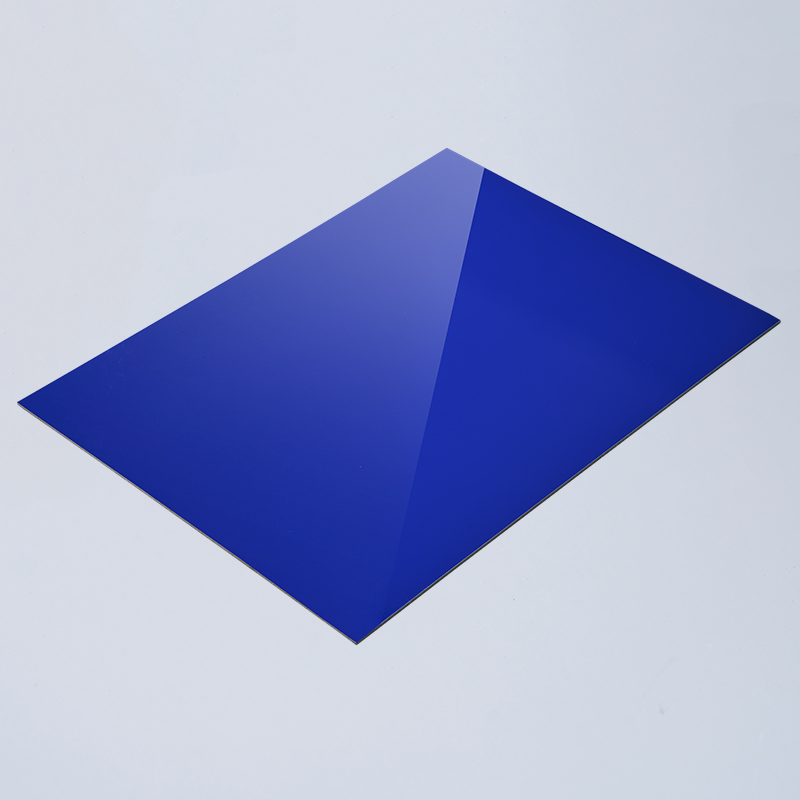 Light Box Signage Aluminum Composite Panel
-
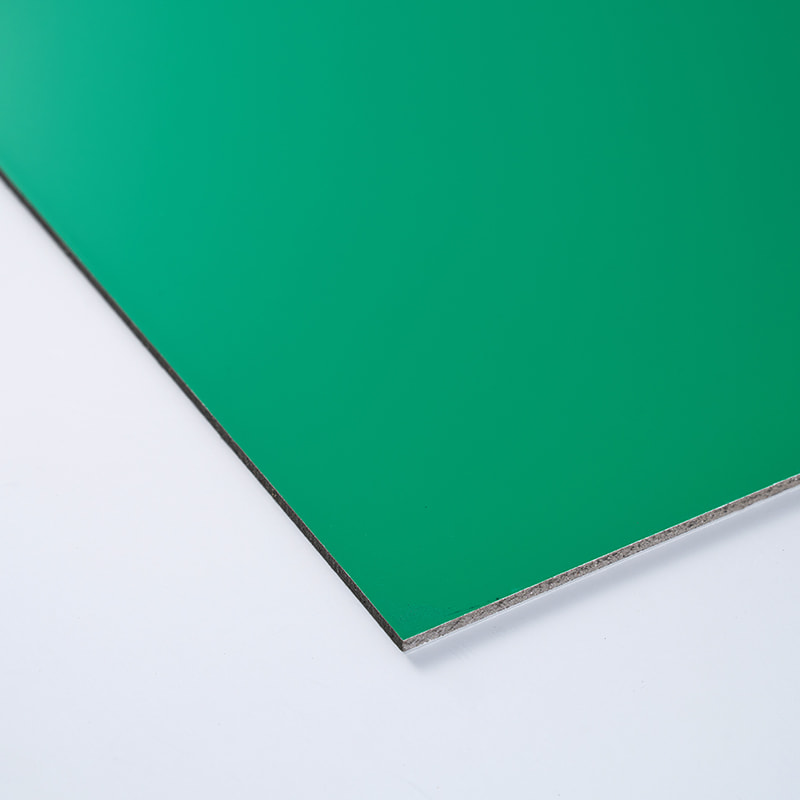
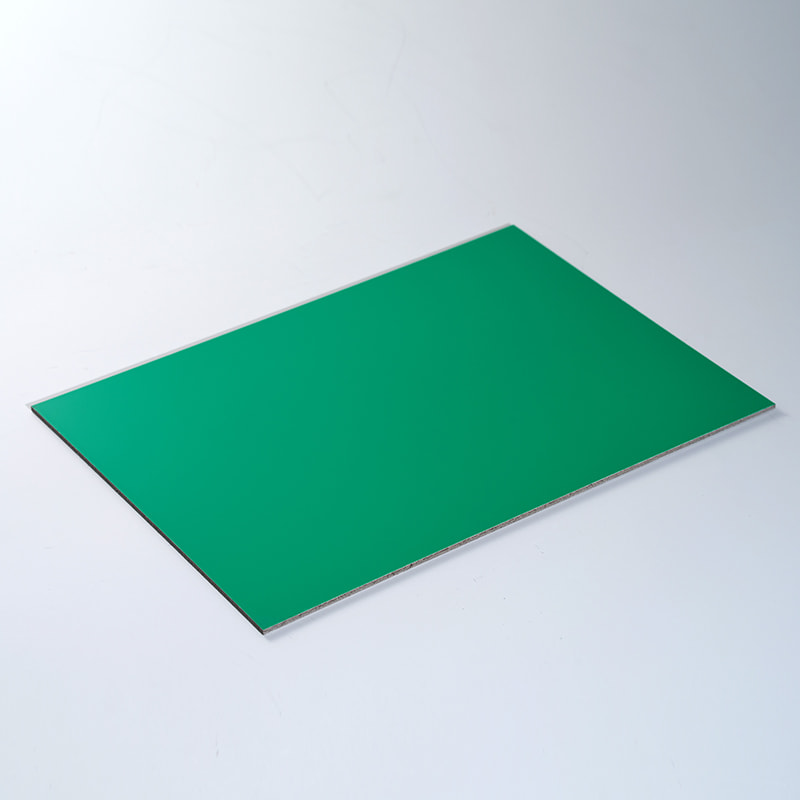 General Signage Aluminum Composite Panel
-
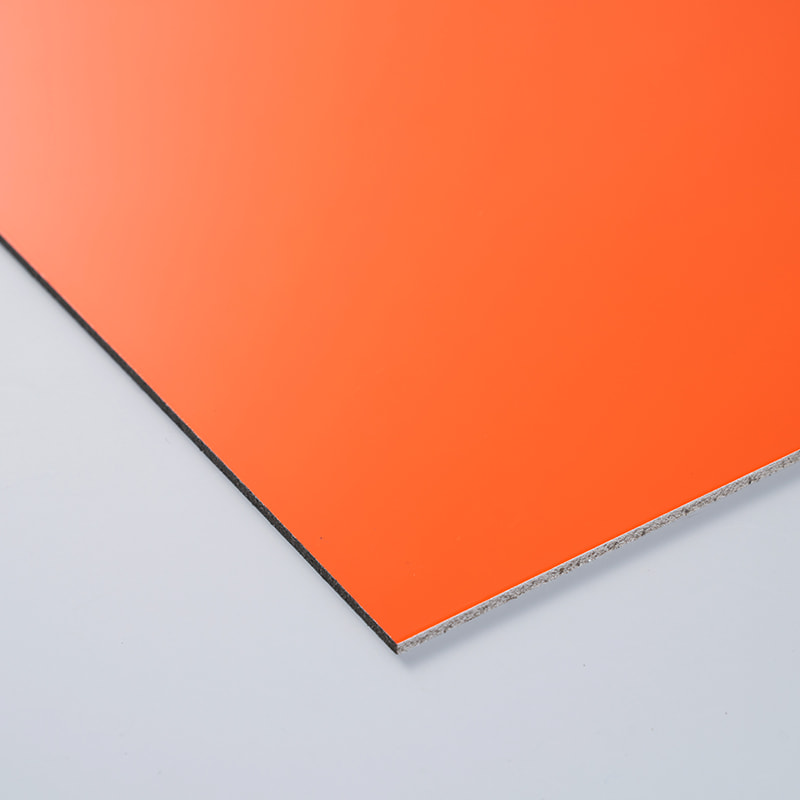
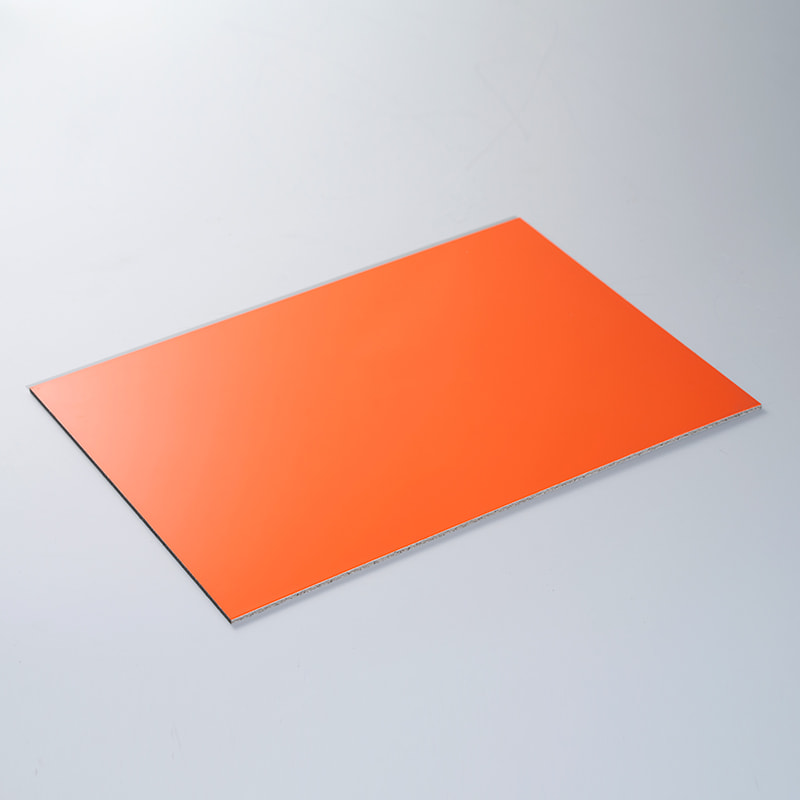 PE Aluminum Composite Panel
-
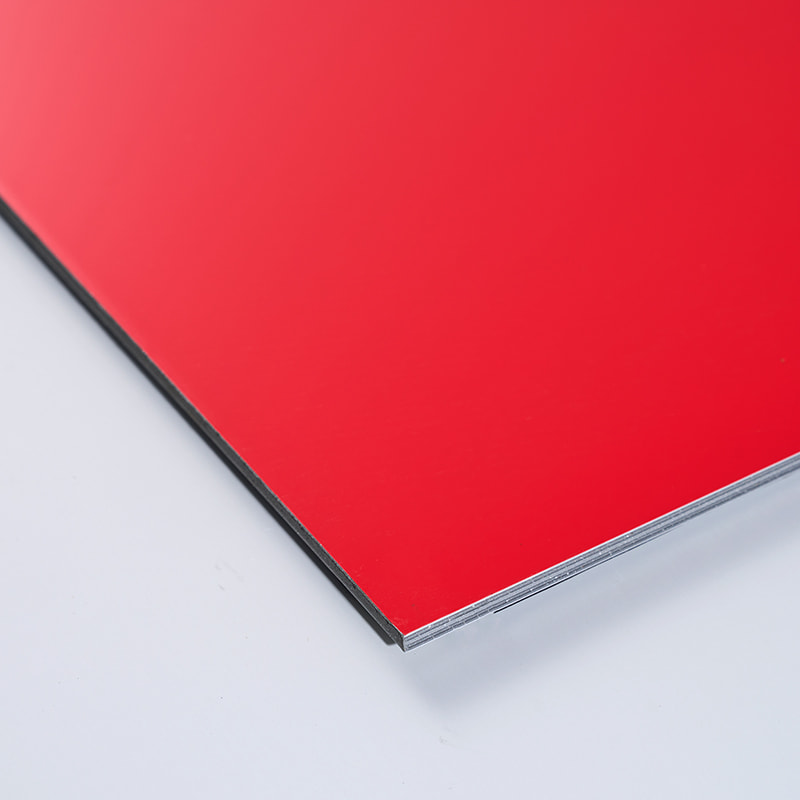 PVDF Aluminum Composite Panel
-
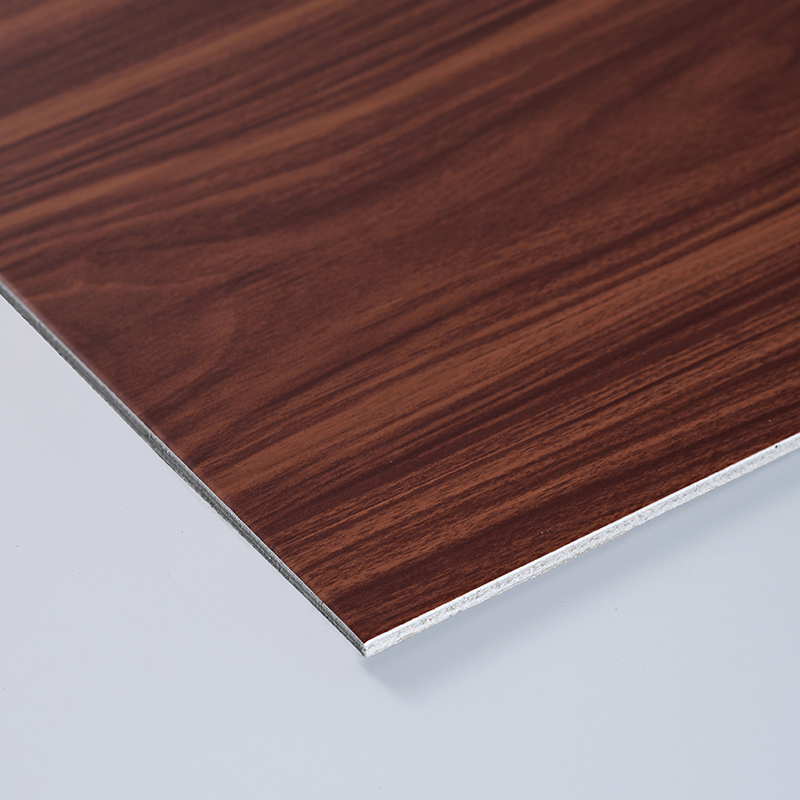
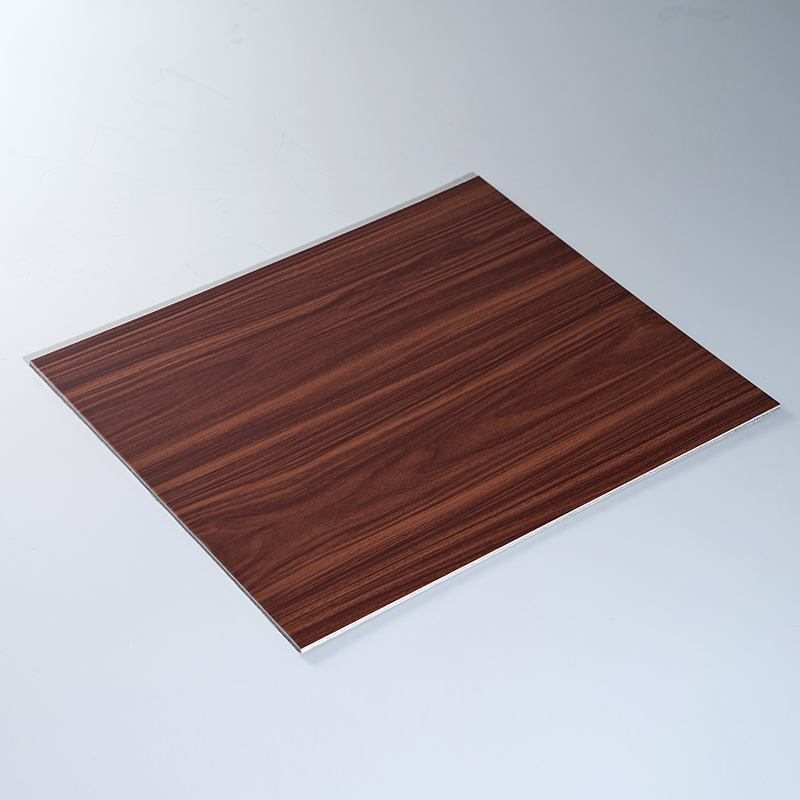 Wood-Grain Aluminum Composite Panel
-
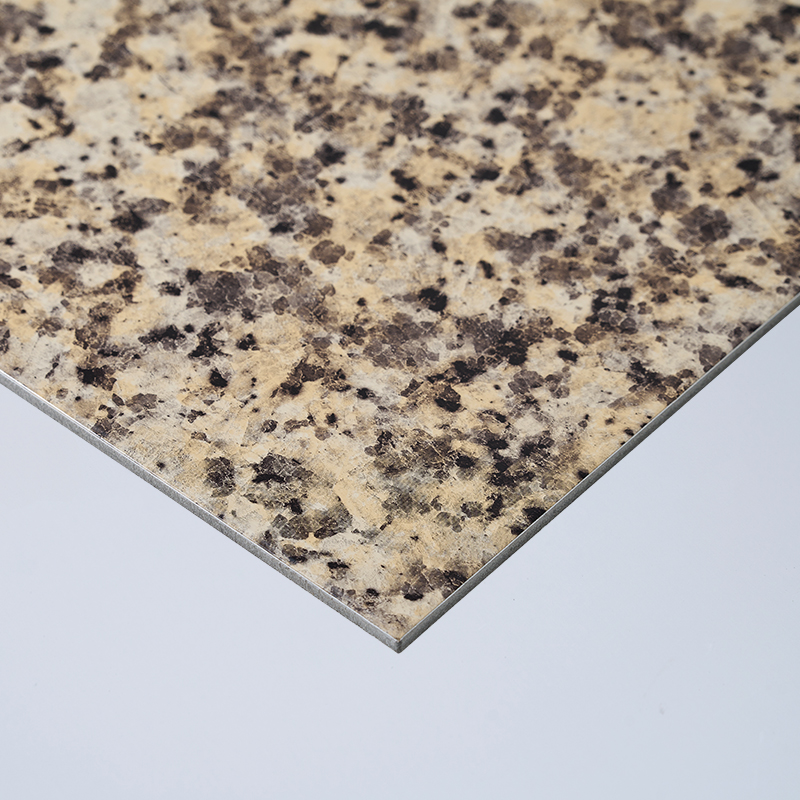
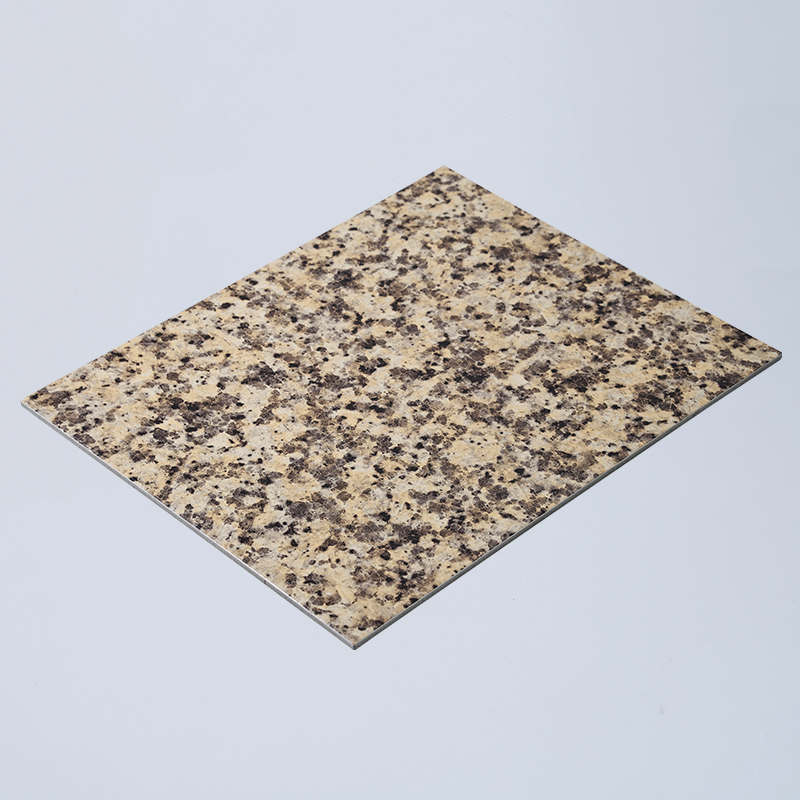 Granite Finish Aluminum Composite Panel
-
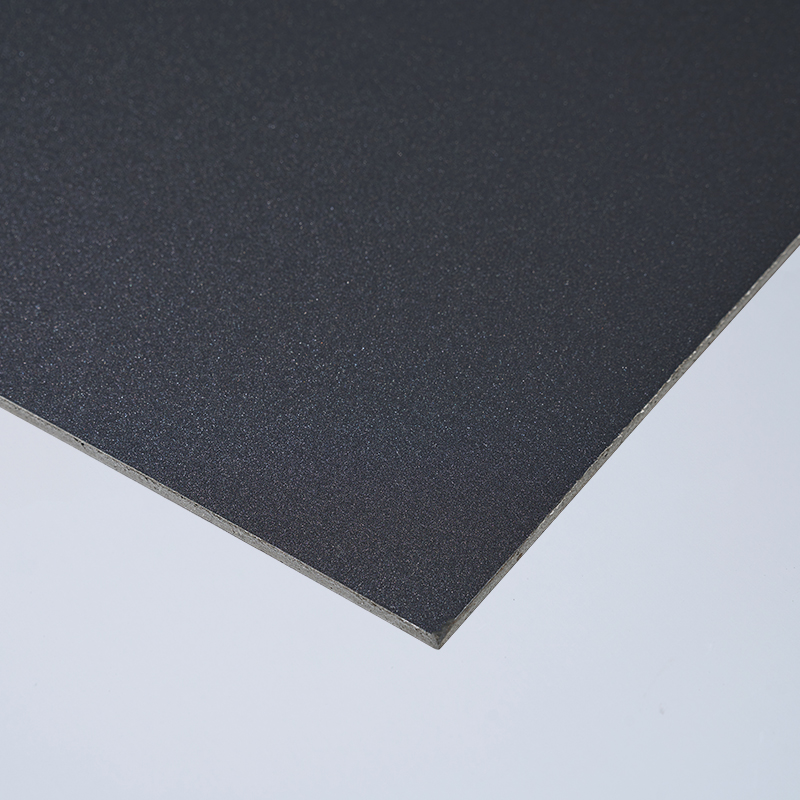
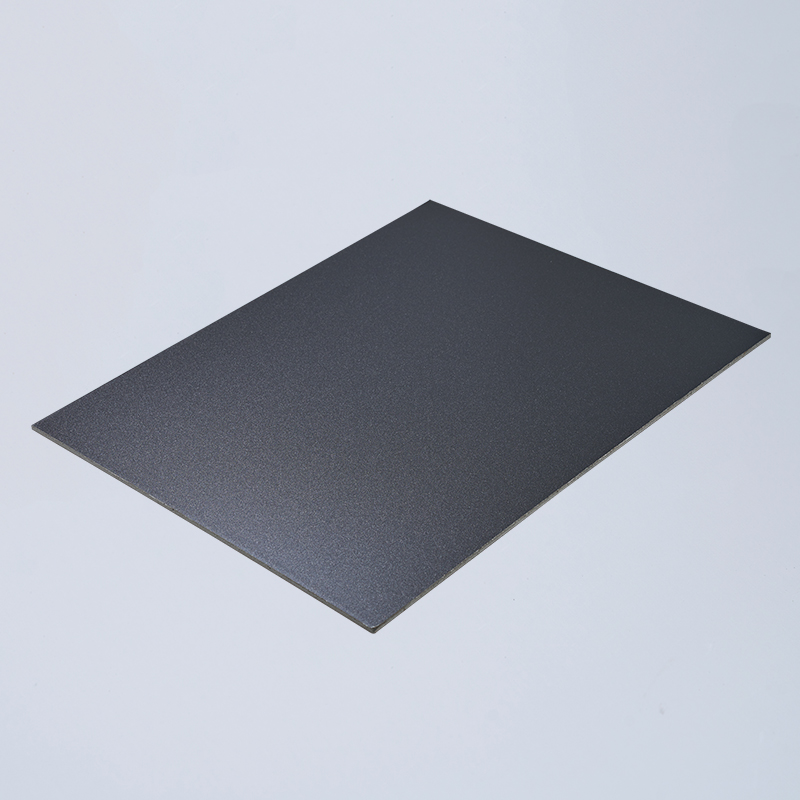 Pearlescent Aluminum Composite Panel
-
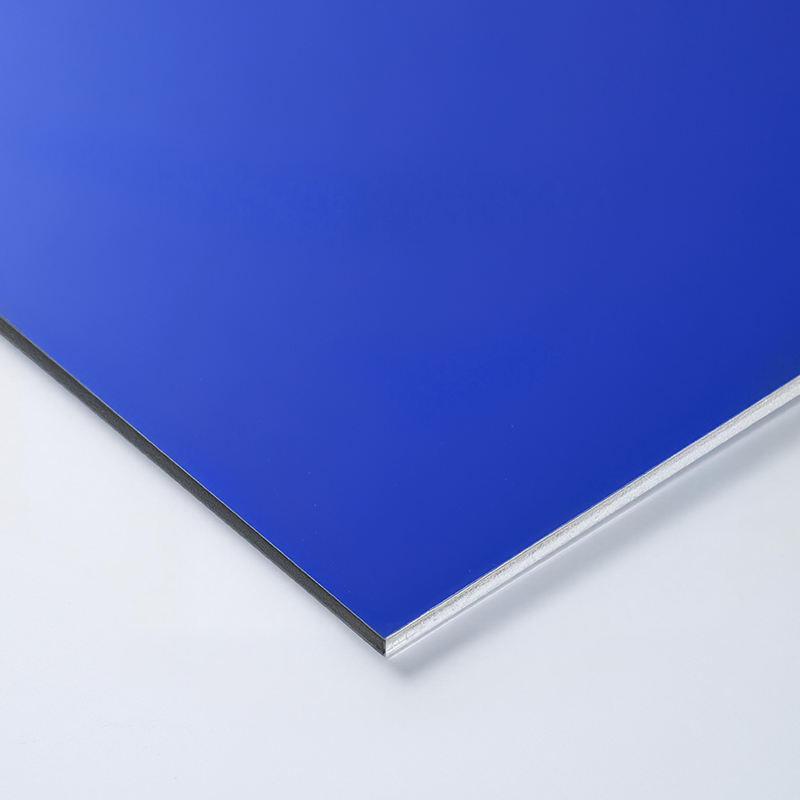
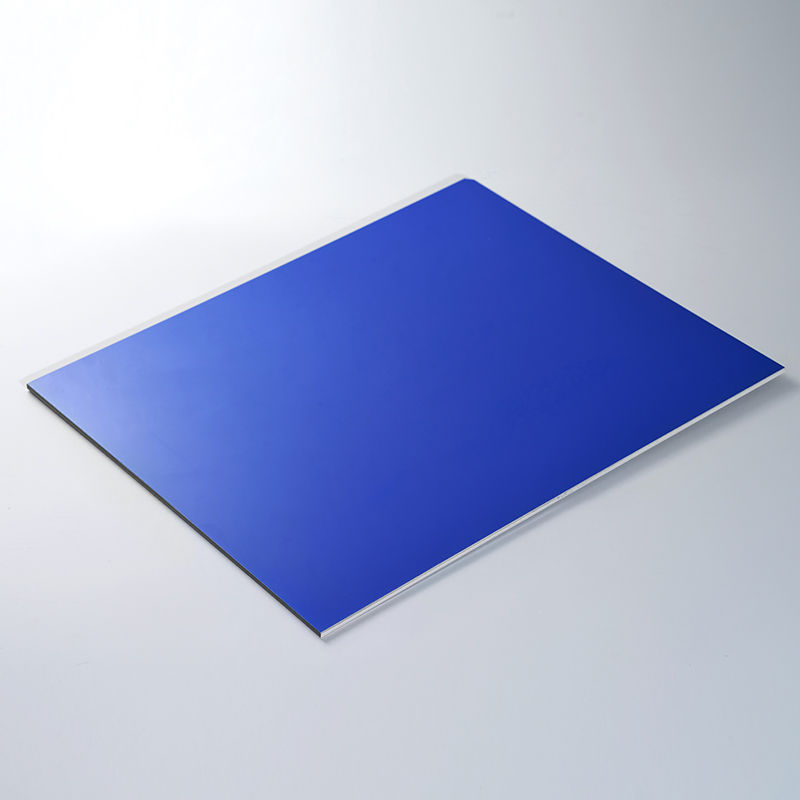 Matt Finish Aluminum Composite Panel
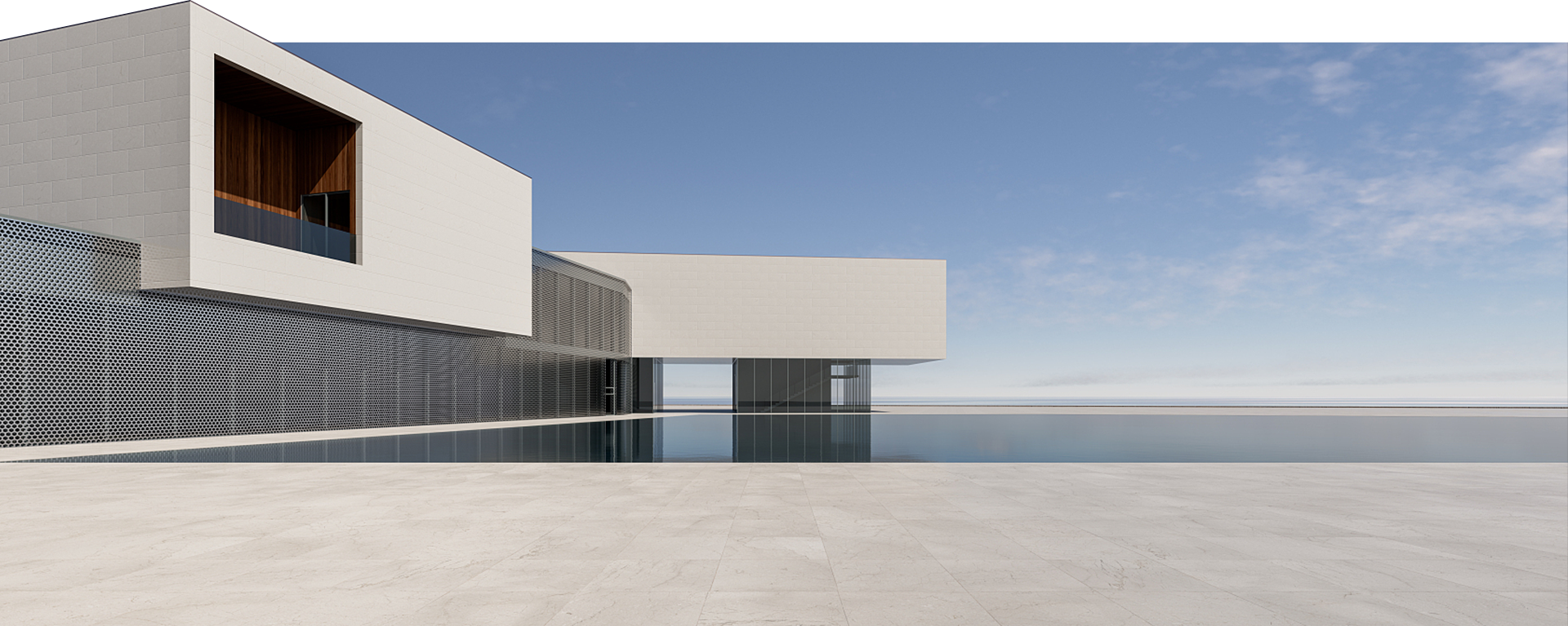
As an aluminum composite panel factory, we fully support personalized customization in terms of specifications, patterns, textures, fire ratings, and shapes.

Copyright © Taizhou Jiaxin New Material Technology Co., Ltd.
All Rights Reserved.
