 English
 中文简体
 Español
 عربى
 русский

Exterior Aluminum Composite Panel Quality Checks Before Bulk Purchasing
For building material distributors and facade contractors, purchasing Exterior Aluminum Composite Panel in bulk requires careful attention to product consistency. A sample may look attractive, but the real challenge is ensuring that every panel delivered meets the agreed specifications. Differences in coating, surface finish, dimensions, or core structure can create problems during fabrication and installation. As a manufacturer, we believe that checking key product details before production helps buyers avoid unnecessary costs and delays.
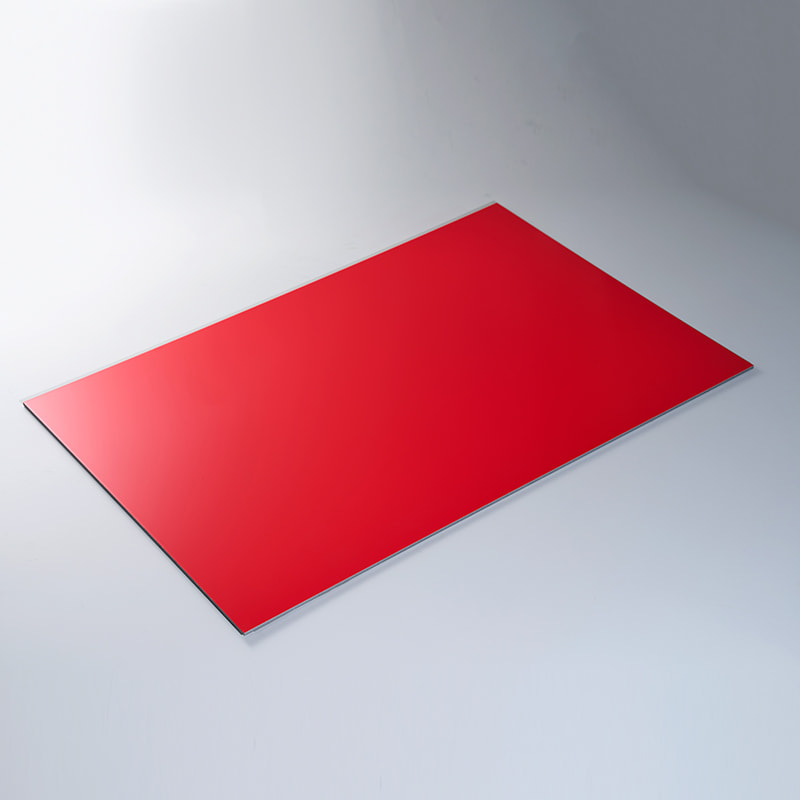
Surface Flatness and Appearance Inspection
A clean, even surface is important for exterior facade applications. Uneven surfaces, scratches, dents, and visible coating defects can affect the final appearance of a building.
Before confirming an order, buyers should review physical samples and check:
- Surface smoothness and color consistency.
- Visible marks, scratches, or coating defects.
- Protective film quality.
- Edge condition and panel flatness.
These checks provide a practical reference for evaluating production quality.
Aluminum Skin Thickness and Panel Structure
Panel thickness is not the only specification worth checking. The thickness of the aluminum skins and the core structure also influence product characteristics and fabrication suitability.
Buyers should request clear technical specifications rather than relying only on the overall panel thickness stated in a quotation. This is particularly important when comparing products from different suppliers, as similar-looking panels may have different internal structures.
Coating Adhesion and Weather Resistance
Exterior panels are exposed to sunlight, moisture, and changing temperatures. Coating performance therefore deserves attention during supplier evaluation.
PVDF coating is commonly used for outdoor aluminum composite panels. Buyers should ask about coating specifications, adhesion testing, and relevant weather resistance documentation. These details help determine whether the product is suitable for the intended building environment.
Checking Fire Performance Documentation
Fire safety requirements vary between countries, building types, and project applications. Standard PE core panels and fire-retardant core panels should not be treated as interchangeable.
For commercial and public building projects, buyers should confirm the required fire classification before ordering. Relevant test reports and compliance documents should also be reviewed to ensure that the selected materials meet local project requirements.
Keeping Color Consistent Across Orders
Large facade projects may require several production batches. Without proper color confirmation, panels delivered at different times may show visible shade variations.
We recommend that buyers approve a physical color sample before mass production and retain it as a reference for subsequent orders. Customized colors should also be confirmed through clear specifications to reduce misunderstandings.
Packaging and Delivery Protection
Even panels manufactured to the correct specifications can be damaged during transportation. Scratches, bent corners, and moisture exposure may affect the condition of materials upon arrival.
Suitable protective film, secure pallet packing, and clear loading arrangements help protect panels during shipping. Buyers should also check packaging requirements according to the transportation distance and unloading conditions.
Establishing Clear Supplier Communication
A successful bulk purchase depends on clear communication between the buyer and manufacturer. Before production, both parties should confirm dimensions, aluminum skin thickness, coating type, core material, color, quantity, and packaging requirements.
We encourage project buyers to review samples and technical documents before approving production. Careful inspection at each purchasing stage helps ensure that Exterior Aluminum Composite Panel meets the intended application requirements and supports smoother project delivery.
-
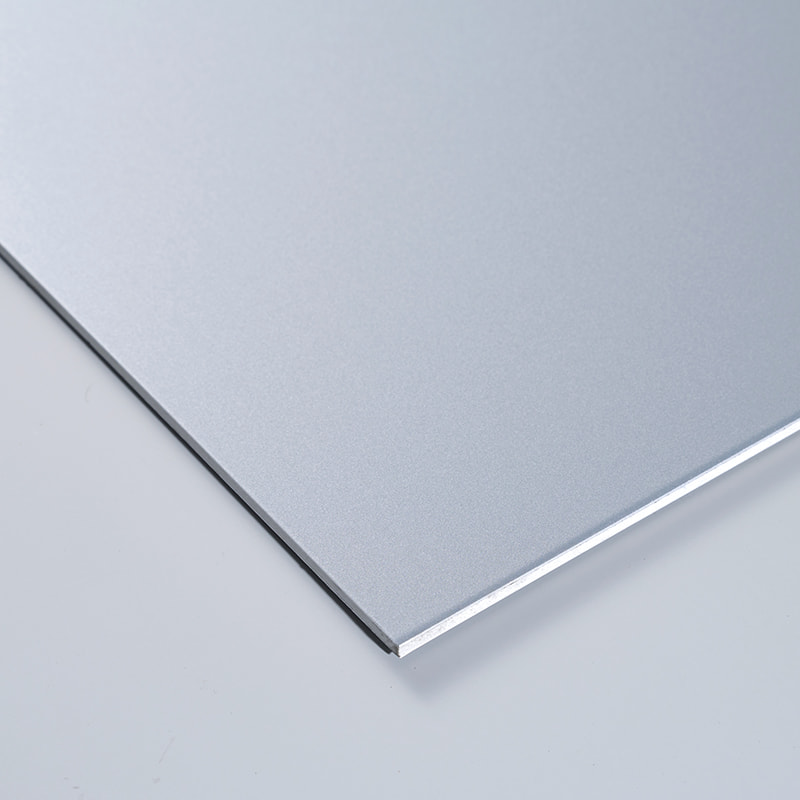
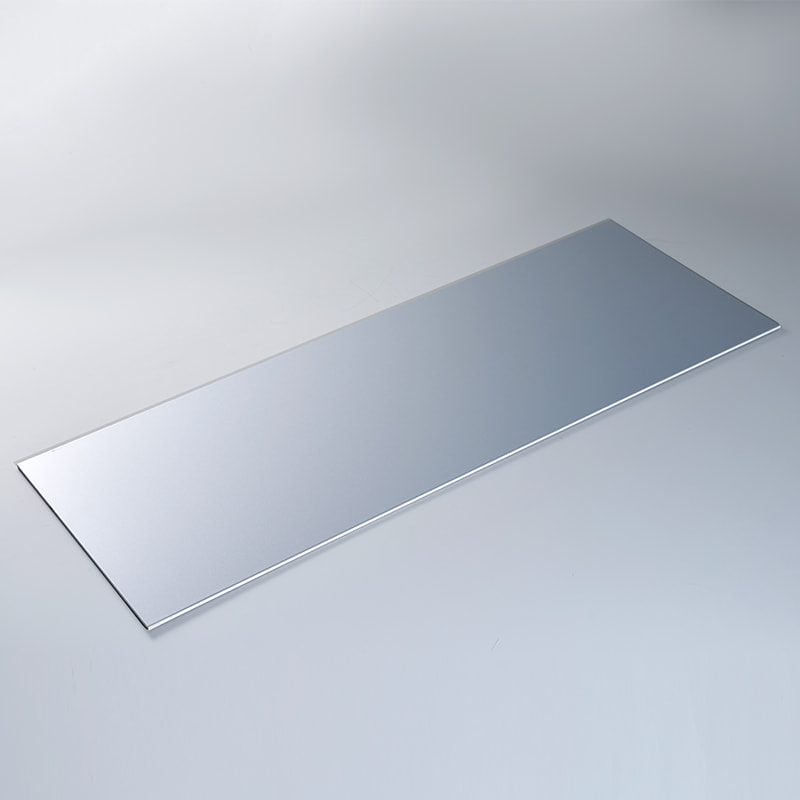 B1 Fire Rated Aluminum Composite Panel
-
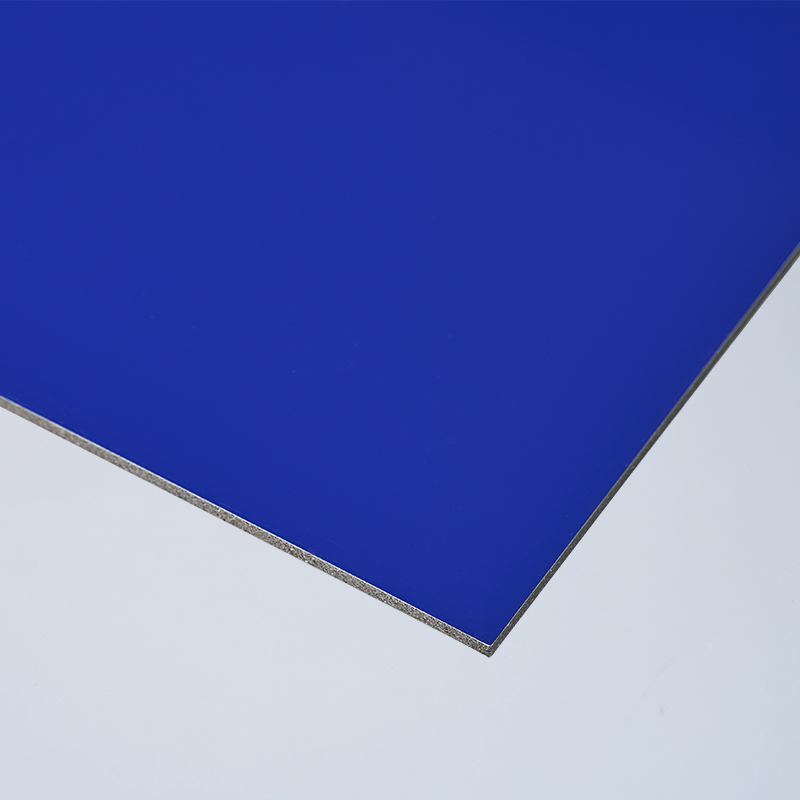
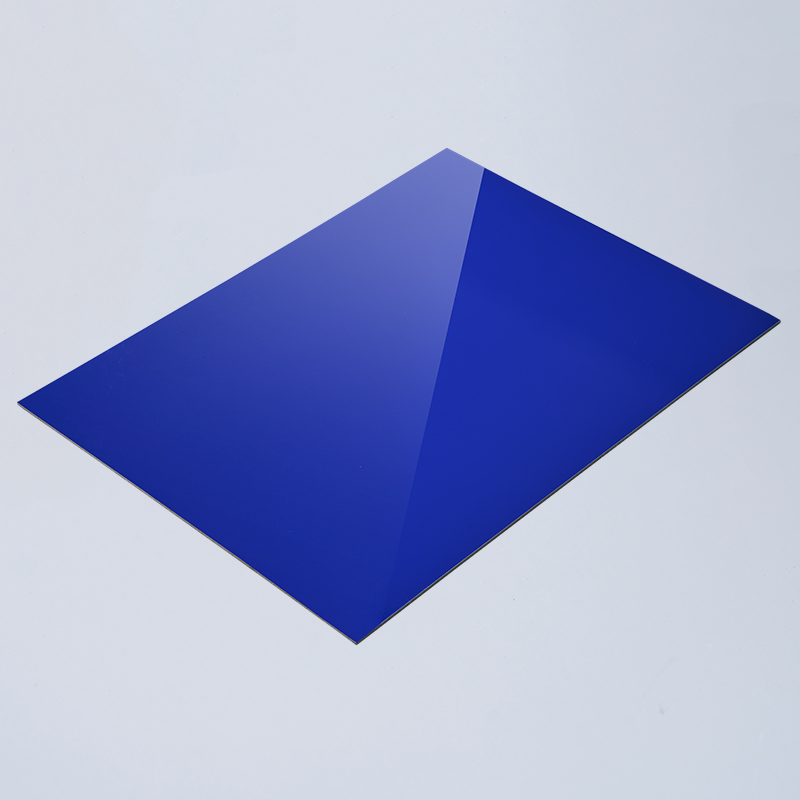 Light Box Signage Aluminum Composite Panel
-
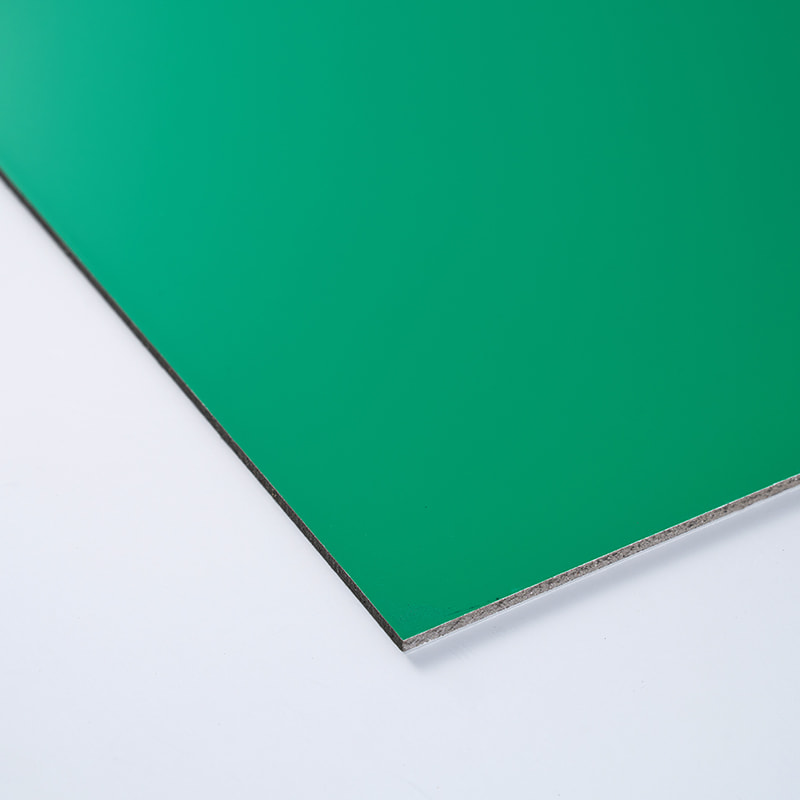
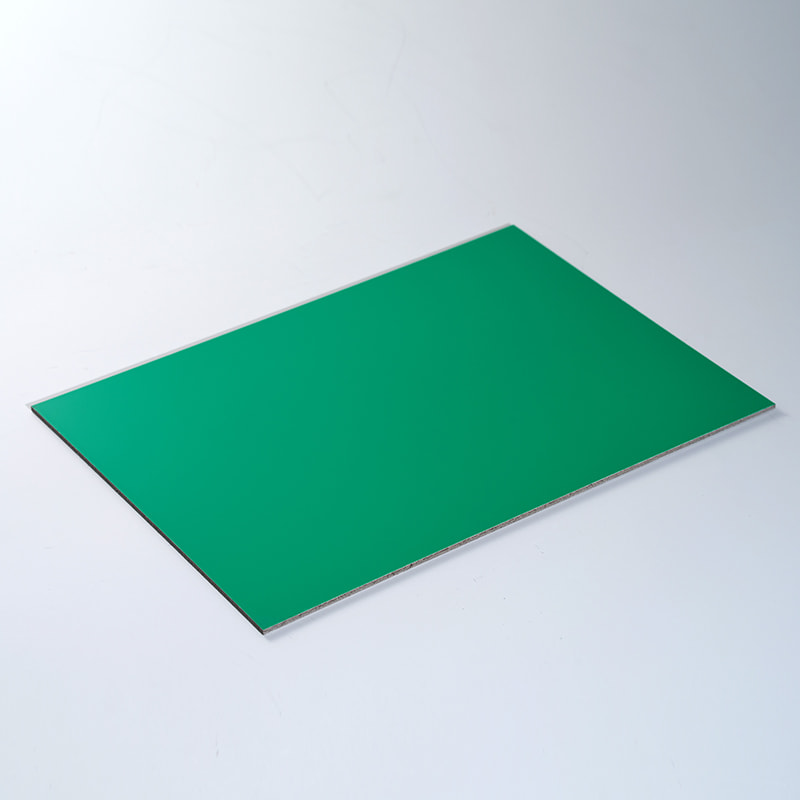 General Signage Aluminum Composite Panel
-
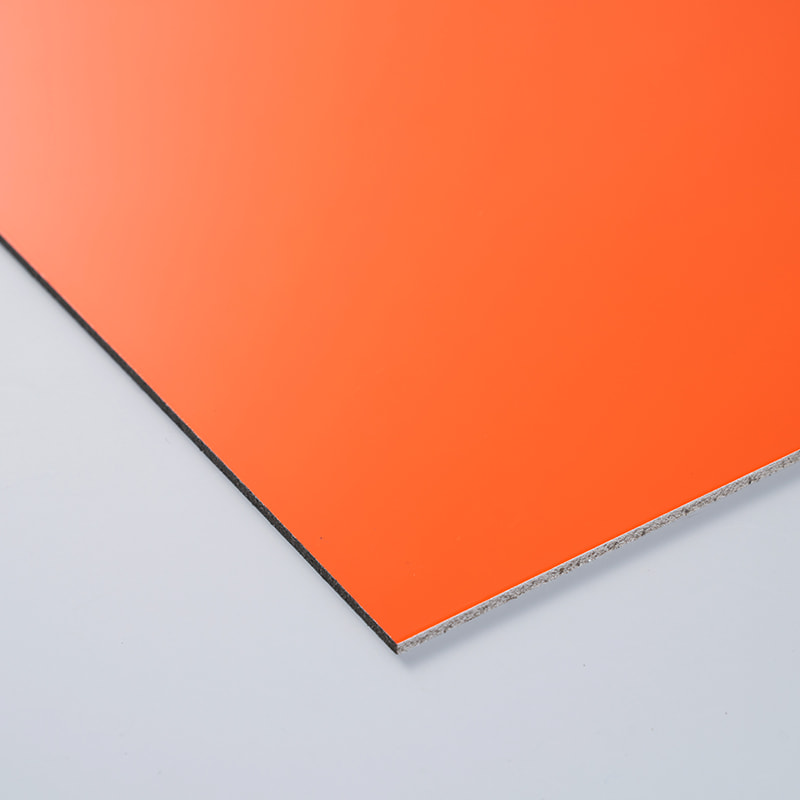
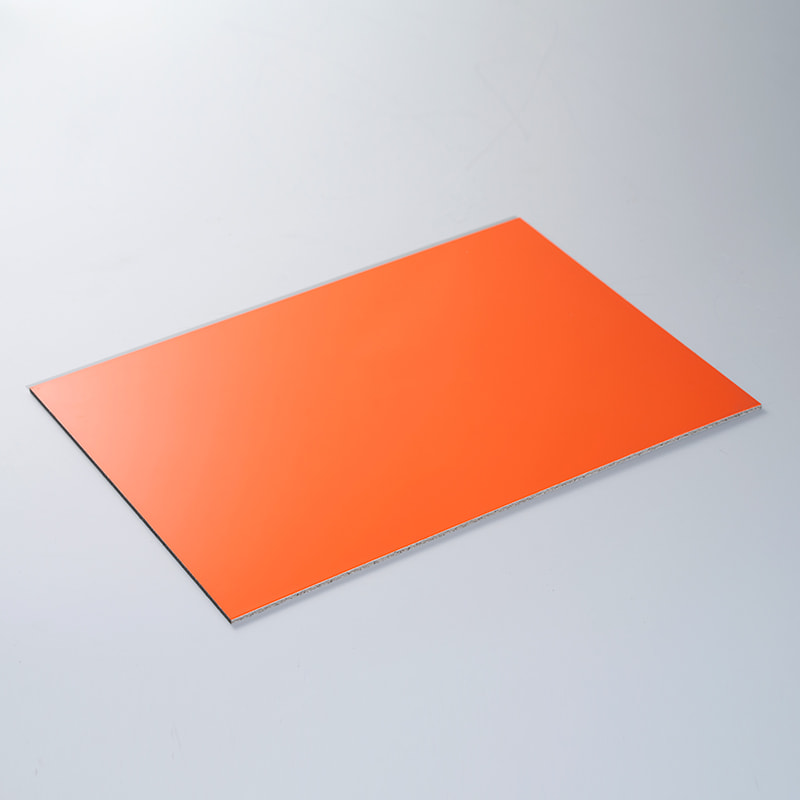 PE Aluminum Composite Panel
-
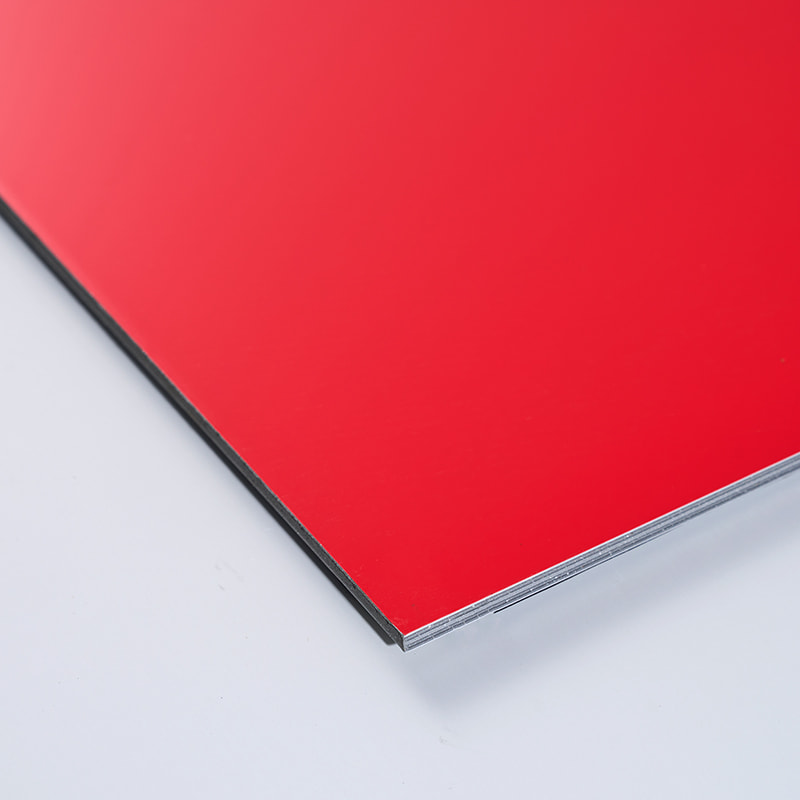 PVDF Aluminum Composite Panel
-
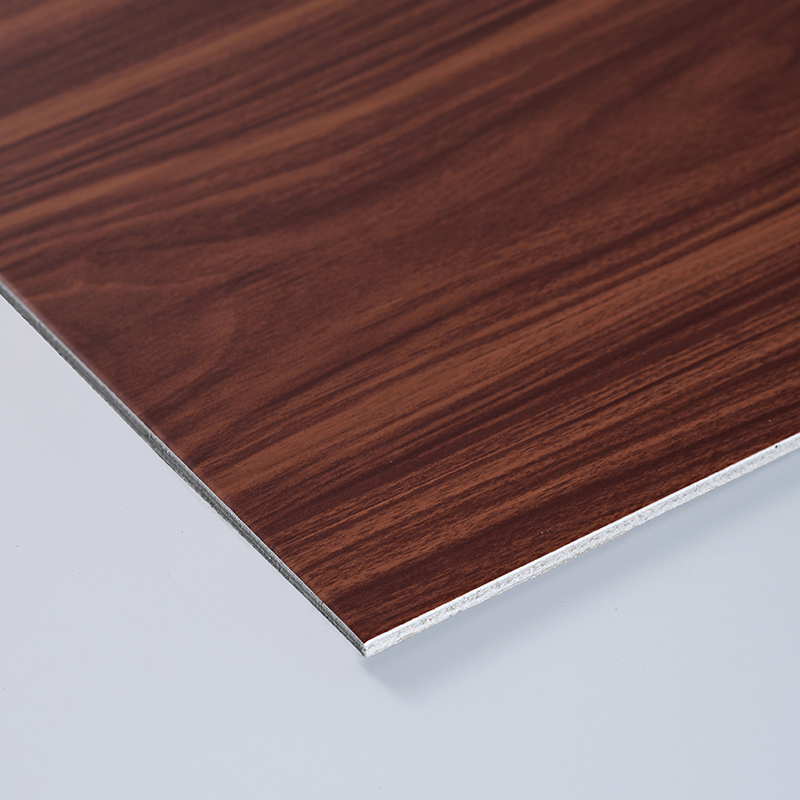
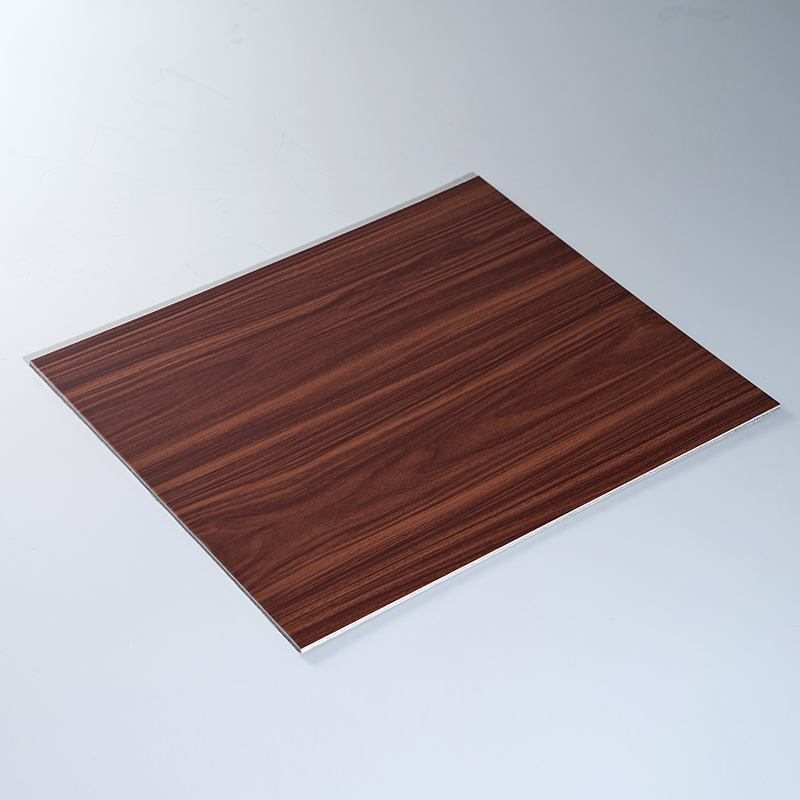 Wood-Grain Aluminum Composite Panel
-
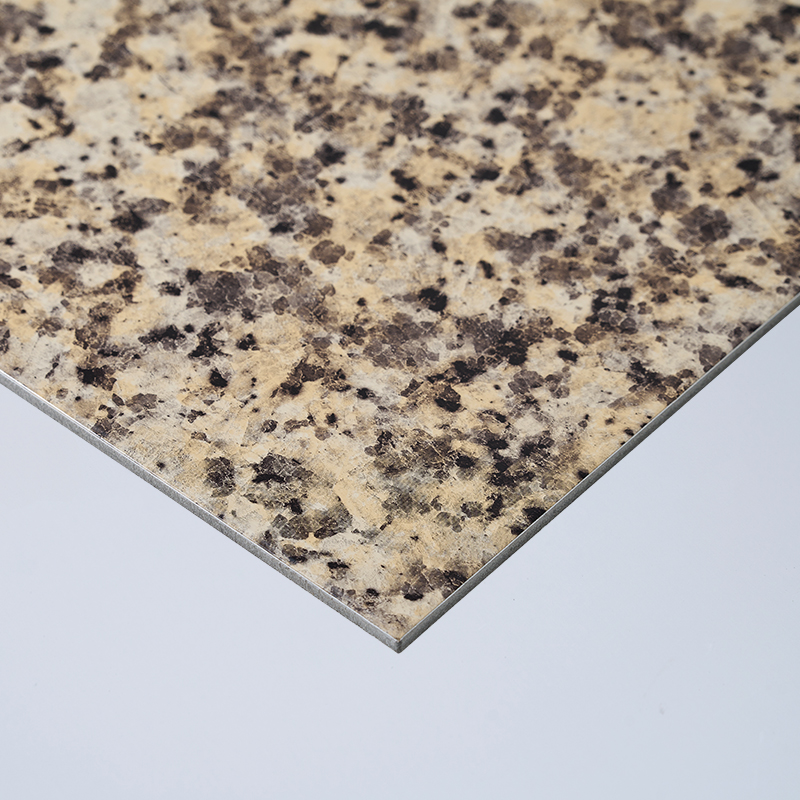
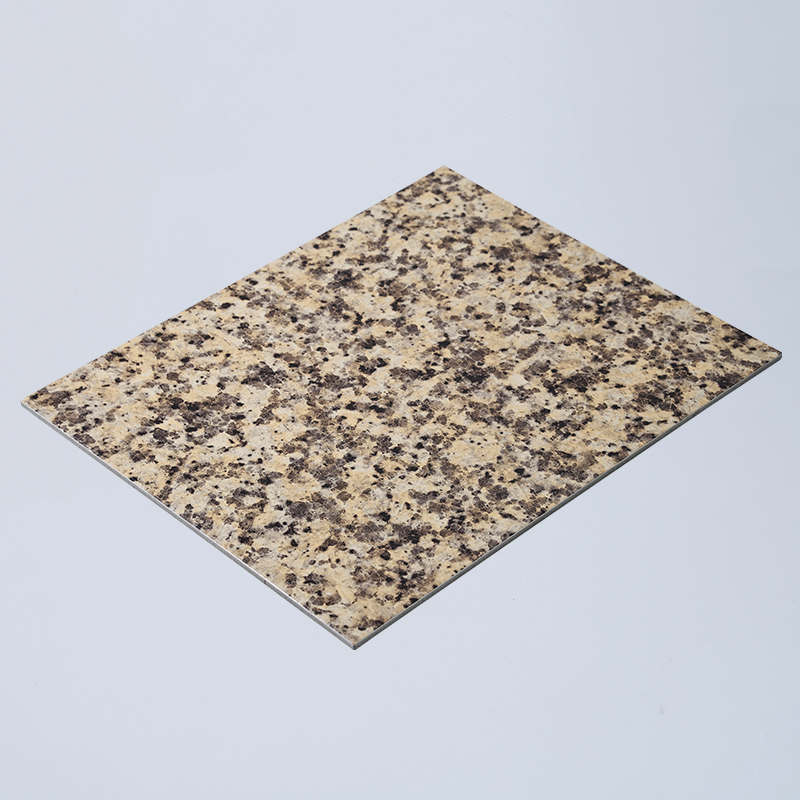 Granite Finish Aluminum Composite Panel
-
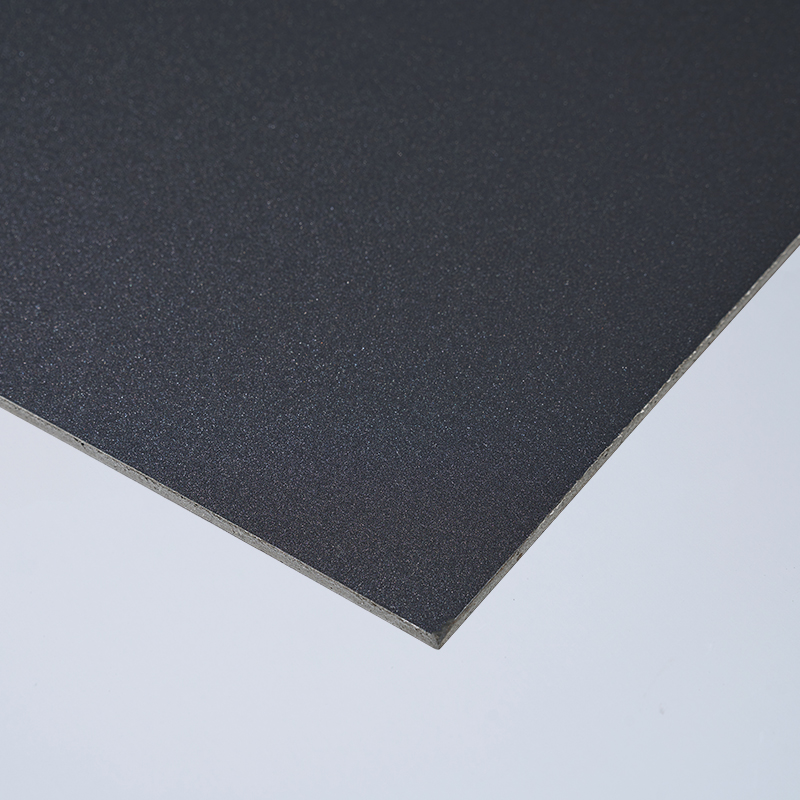
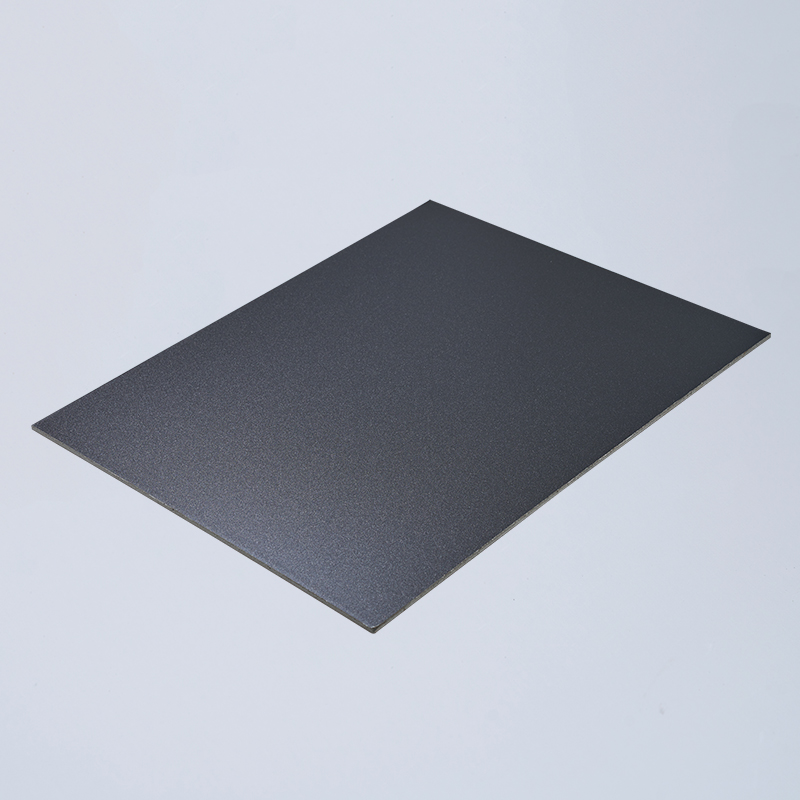 Pearlescent Aluminum Composite Panel
-
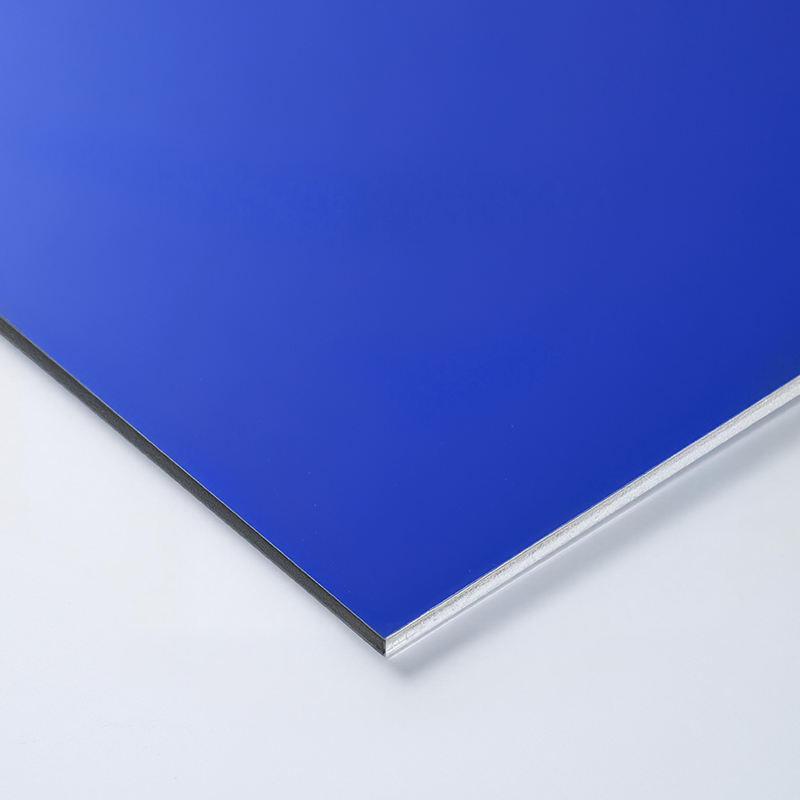
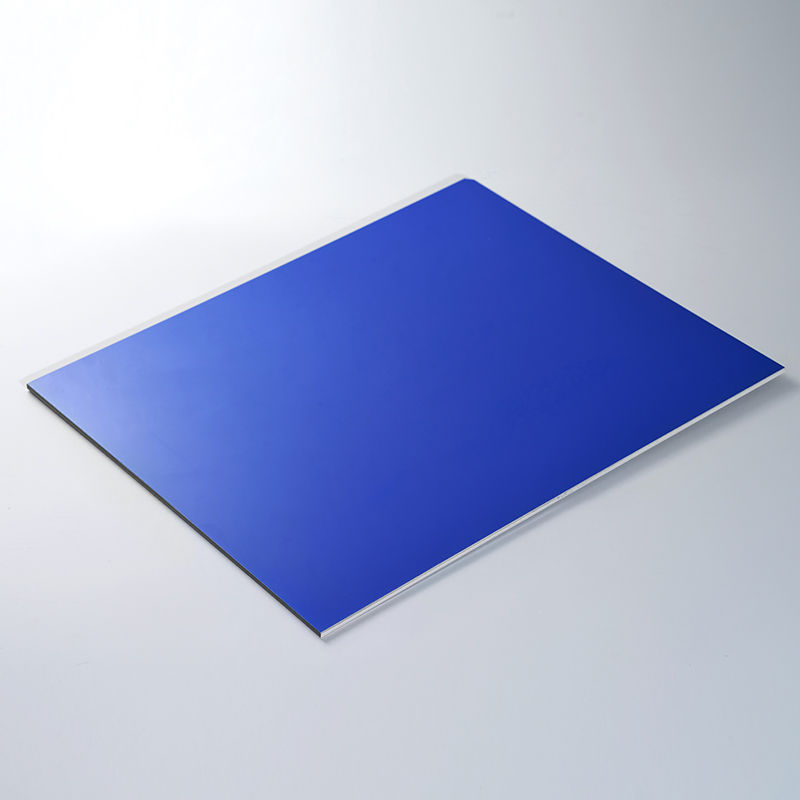 Matt Finish Aluminum Composite Panel
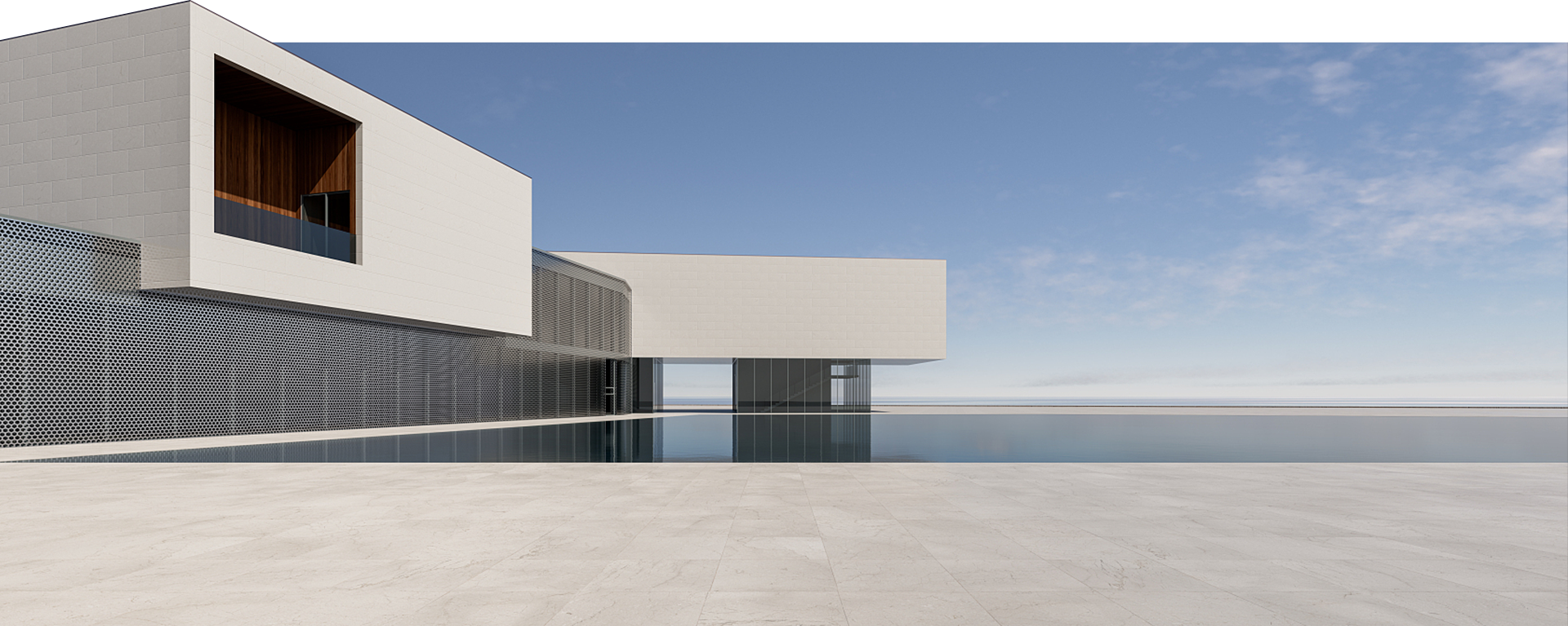
As an aluminum composite panel factory, we fully support personalized customization in terms of specifications, patterns, textures, fire ratings, and shapes.

Copyright © Taizhou Jiaxin New Material Technology Co., Ltd.
All Rights Reserved.
