 English
 中文简体
 Español
 عربى
 русский

Exterior Aluminum Composite Panel Selection for Durable and Clean Building Facades
Exterior Aluminum Composite Panel systems are widely used in commercial buildings, office developments, retail spaces, and renovation projects. For architects, contractors, and building material distributors, selecting the right panel involves more than comparing surface colors or purchase prices. Weather exposure, installation conditions, surface durability, and maintenance requirements all affect the performance of an exterior facade. As a manufacturer, we understand that buyers need materials that are practical to install and suitable for the actual conditions of each project.
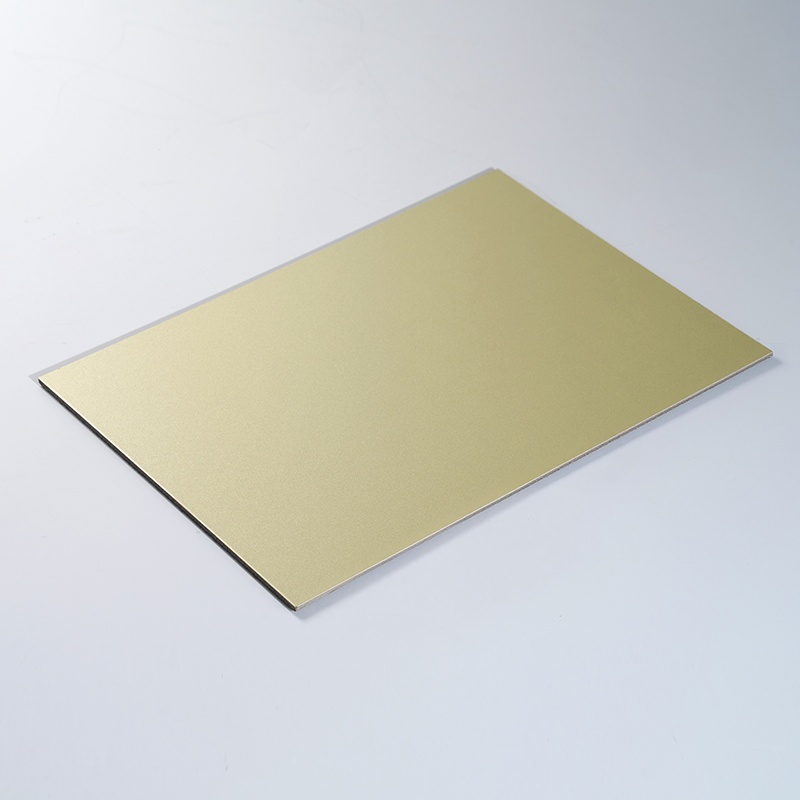
Choosing Panels for Different Weather Conditions
Exterior walls are constantly exposed to sunlight, rain, wind, and temperature changes. These conditions can affect coating appearance, panel flatness, and long-term facade performance.
Before placing a bulk order, buyers should consider the local climate and building location. Projects in coastal areas may require additional attention to corrosion resistance, while buildings in regions with strong sunlight need suitable coating performance and color stability.
Discussing these conditions with the manufacturer helps narrow down appropriate panel specifications before production begins.
PVDF Coating for Outdoor Applications
Surface coating is an important consideration when purchasing aluminum composite panels for exterior use. PVDF coating is commonly selected for outdoor projects because of its weather resistance and ability to maintain surface appearance under exposure to environmental conditions.
When comparing suppliers, buyers should pay attention to:
- Coating type and applicable performance specifications.
- Color consistency between production batches.
- Surface finish and resistance to environmental exposure.
- Available coating test reports and technical documentation.
These details help contractors and distributors evaluate whether a panel meets the requirements of their intended projects.
Core Material and Fire Safety Considerations
The core structure plays an important role in determining the overall properties of an aluminum composite panel. Different projects may require different core materials depending on building regulations, fire safety requirements, and application conditions.
For commercial buildings and public facilities, fire performance should be confirmed before purchasing. Buyers should check the relevant fire classification, test documentation, and compliance requirements in the destination market rather than relying on general product descriptions.
As a manufacturer, we recommend confirming the required specifications at the quotation stage to avoid material changes after project approval.
Panel Thickness and Installation Requirements
Panel dimensions and thickness should match the facade design and installation system. Incorrect specifications can create difficulties during cutting, bending, fixing, and alignment.
Before production, project buyers should confirm:
- Overall panel thickness and aluminum skin thickness.
- Standard or customized panel dimensions.
- Surface finish and color requirements.
- Fabrication and fixing methods.
- Compatibility with the planned supporting structure.
Clear technical communication between the buyer, installer, and supplier can reduce unnecessary adjustments during installation.
Color Matching for Large Facade Projects
Color consistency becomes particularly important when materials are supplied in multiple batches. Even small differences in shade or surface finish can become noticeable across a large building facade.
For projects involving multiple deliveries, we recommend confirming an approved color sample before mass production. Buyers should also discuss batch management and packaging arrangements with their suppliers.
A clear color reference makes it easier to maintain a consistent appearance across different building sections and future material orders.
Packaging and Transportation Before Installation
Exterior panels may travel through several stages of transportation before reaching the construction site. Scratches, corner damage, and surface marks can affect installation schedules and material acceptance.
Suitable protective film, edge protection, stable pallet packaging, and clear handling instructions help reduce transportation-related problems. Buyers should also confirm container loading arrangements and storage recommendations before shipment.
Proper storage at the destination is equally important. Panels should be kept in a dry, clean environment and handled carefully to protect their finished surfaces.
Working with a Manufacturer on Customized Orders
For distributors, facade contractors, and construction material wholesalers, a reliable supply arrangement involves more than product availability. Consistent specifications, accurate color references, production communication, and export packaging all contribute to smoother procurement.
We work with buyers to confirm panel dimensions, coating options, core requirements, colors, and packaging details according to their project needs. Selecting the right Exterior Aluminum Composite Panel from the beginning helps reduce purchasing uncertainties and supports more efficient facade installation.
-
 B1 Fire Rated Aluminum Composite Panel
-
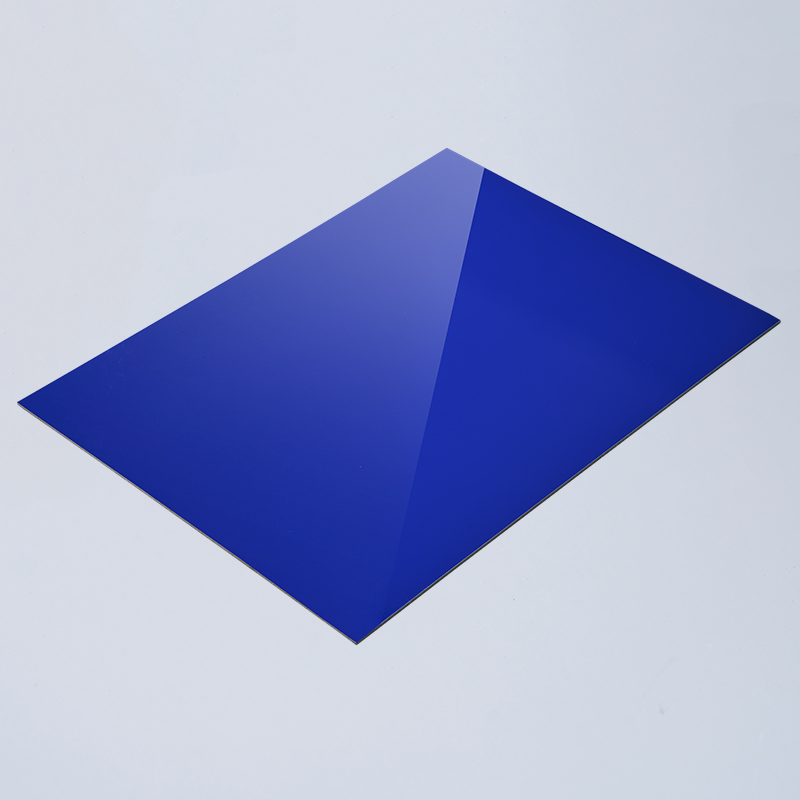 Light Box Signage Aluminum Composite Panel
-
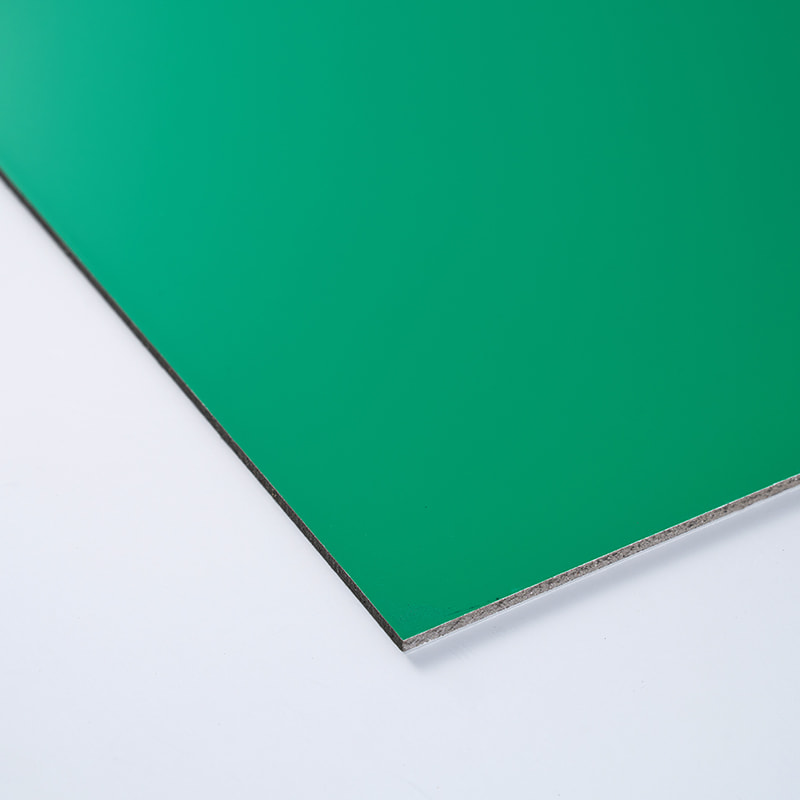
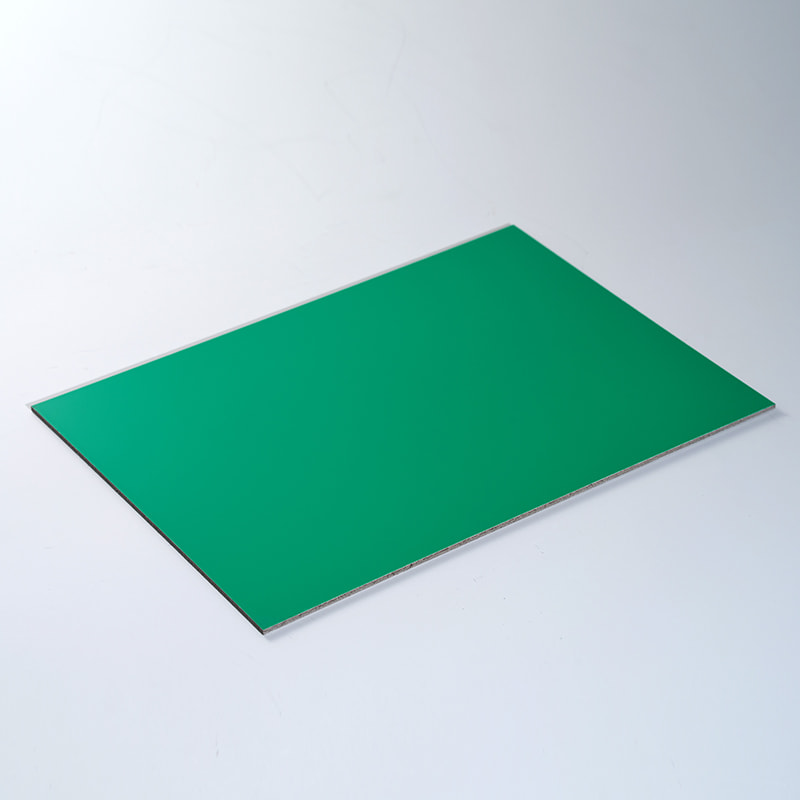 General Signage Aluminum Composite Panel
-
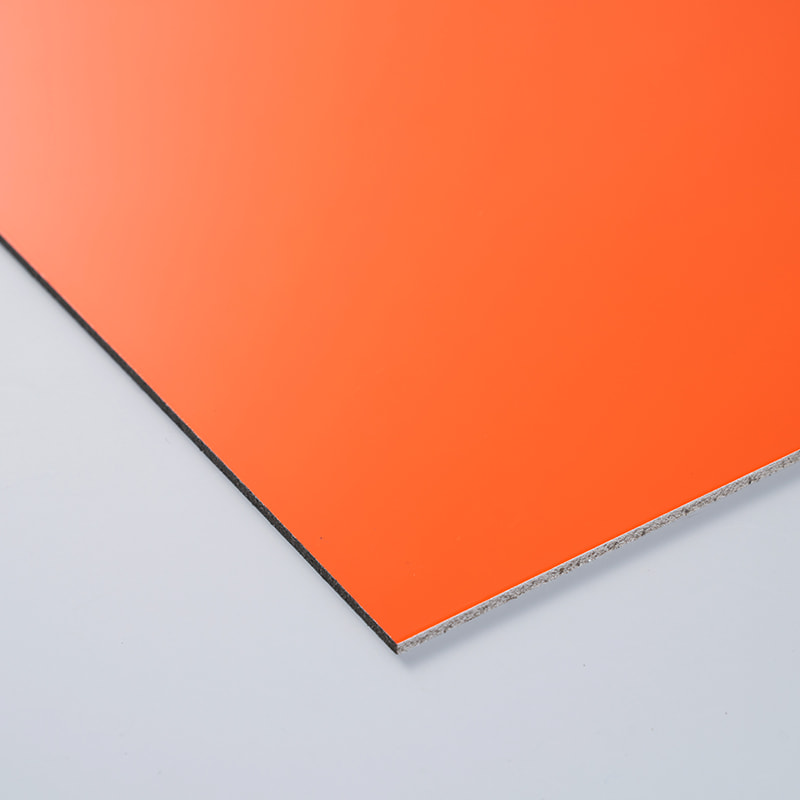
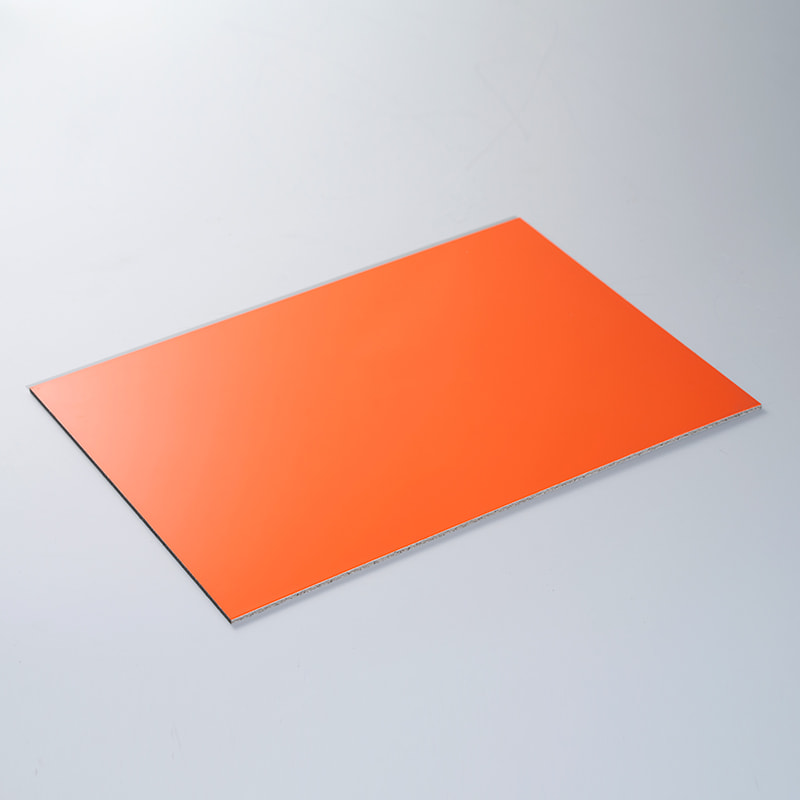 PE Aluminum Composite Panel
-
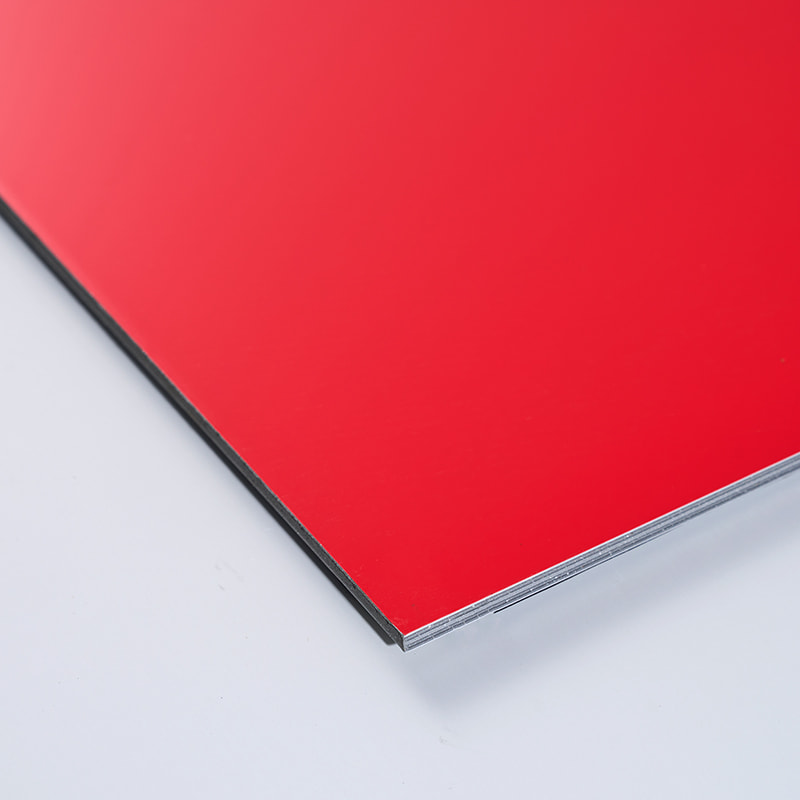
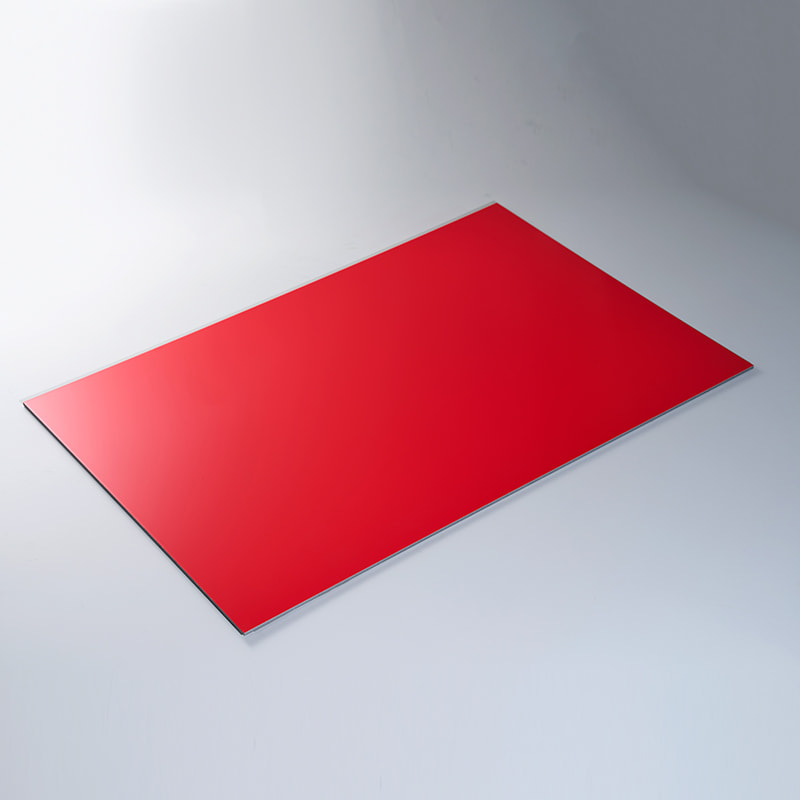 PVDF Aluminum Composite Panel
-
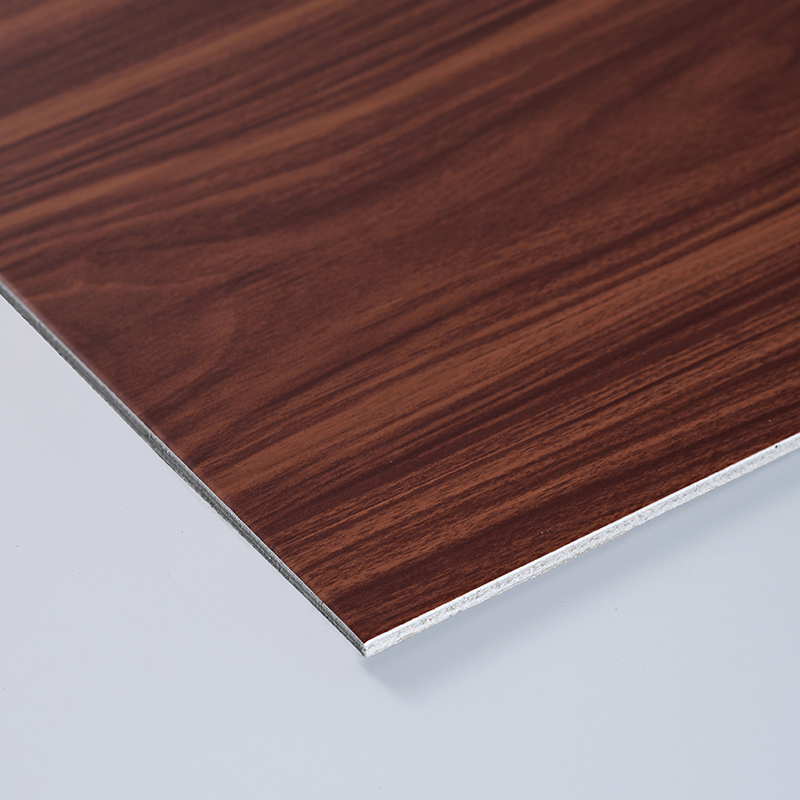
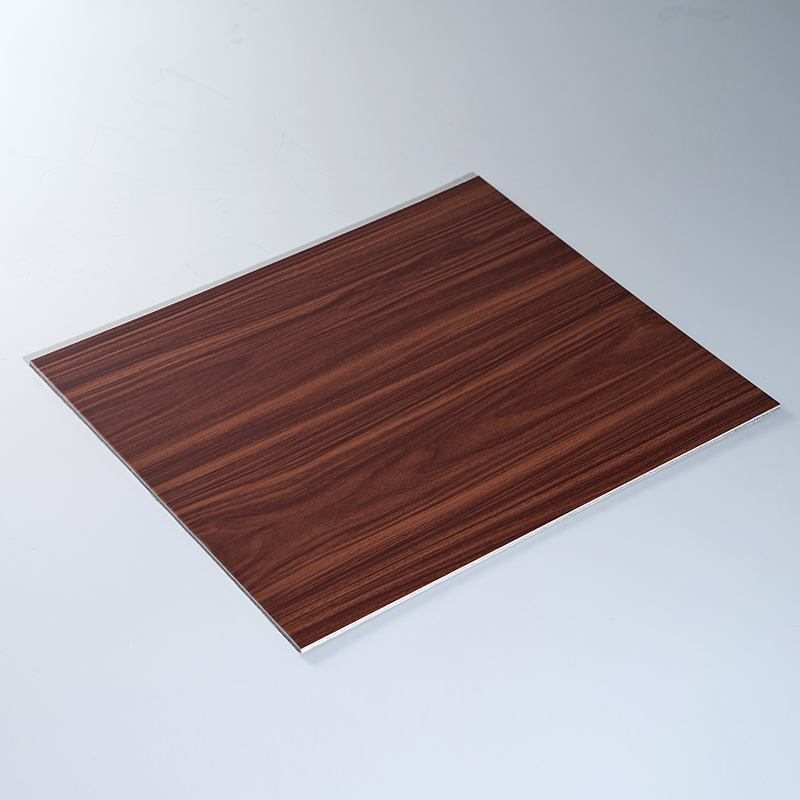 Wood-Grain Aluminum Composite Panel
-
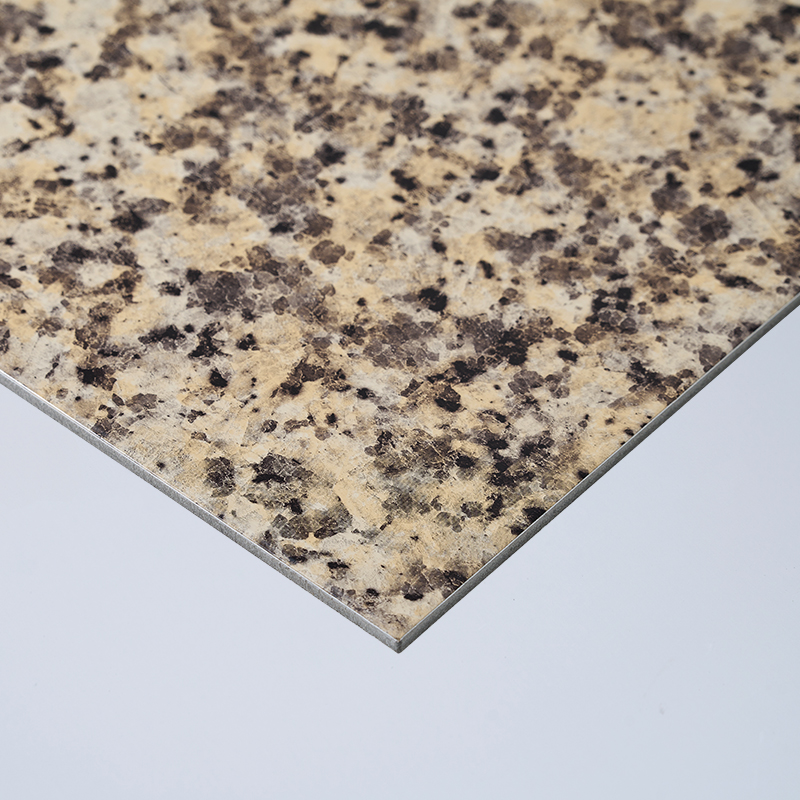
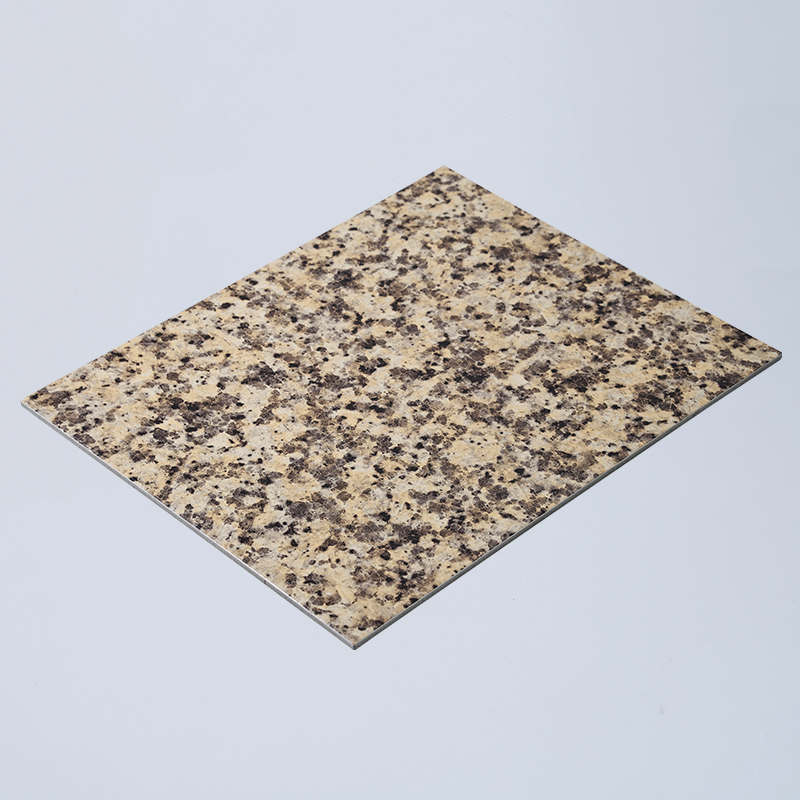 Granite Finish Aluminum Composite Panel
-
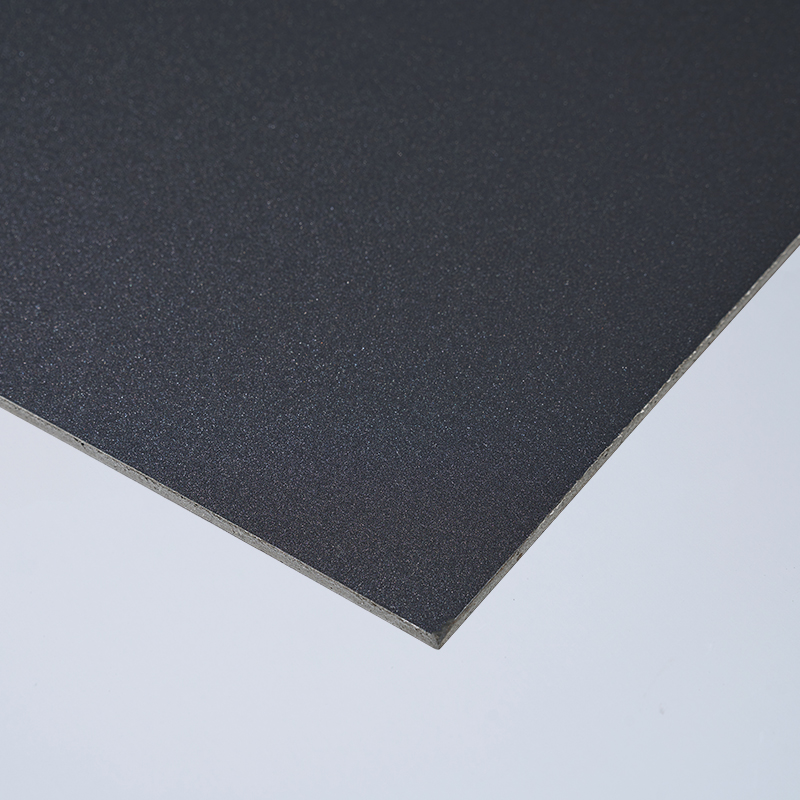
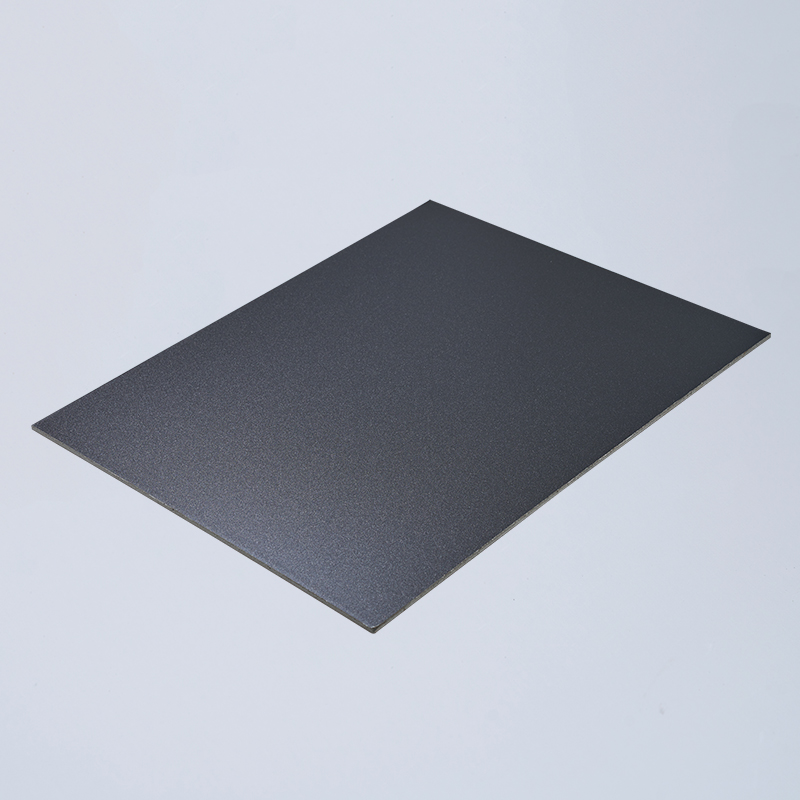 Pearlescent Aluminum Composite Panel
-
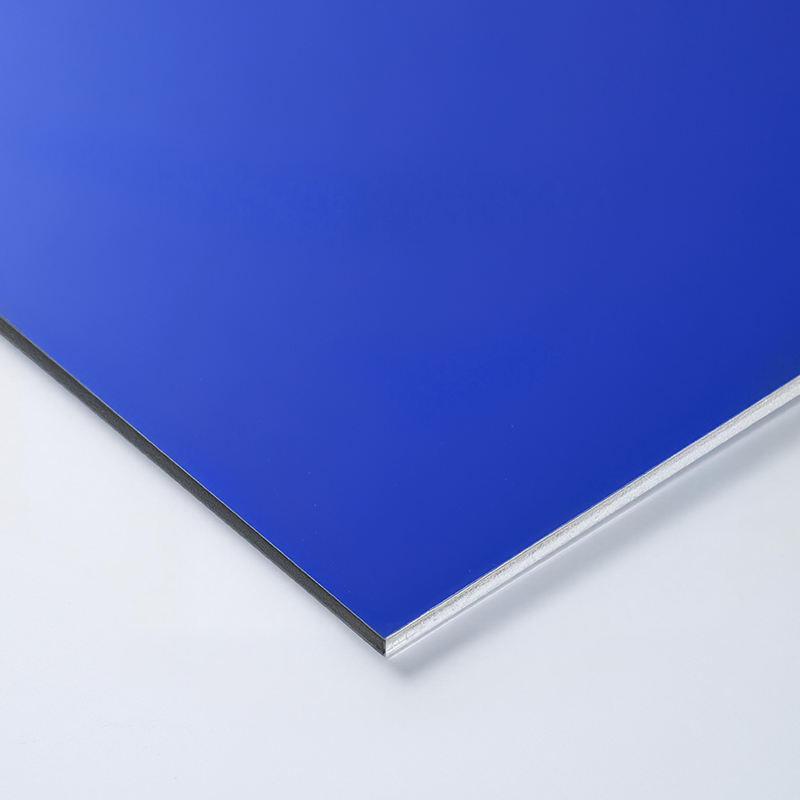
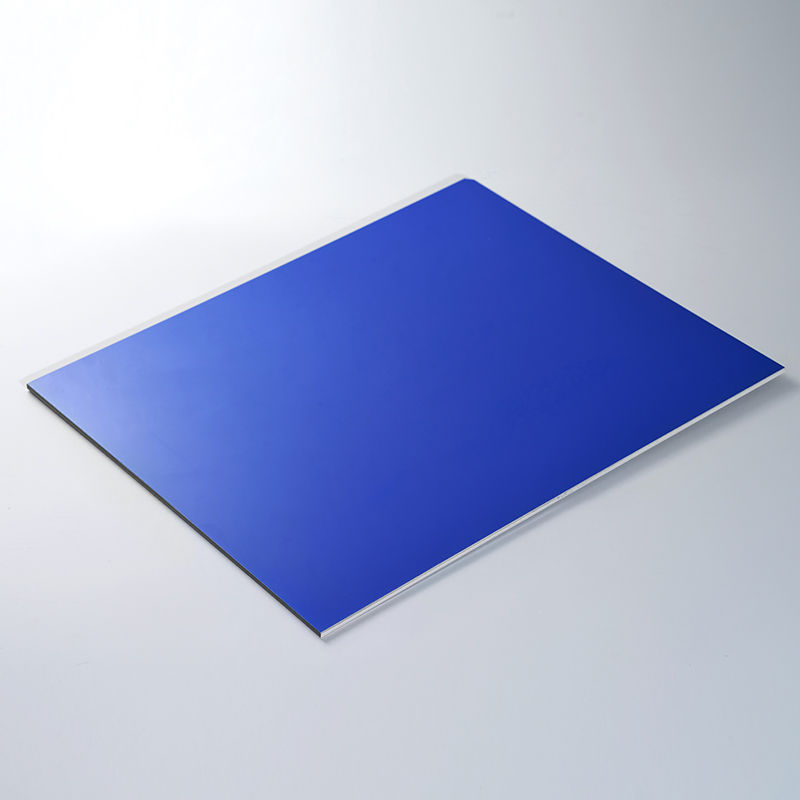 Matt Finish Aluminum Composite Panel
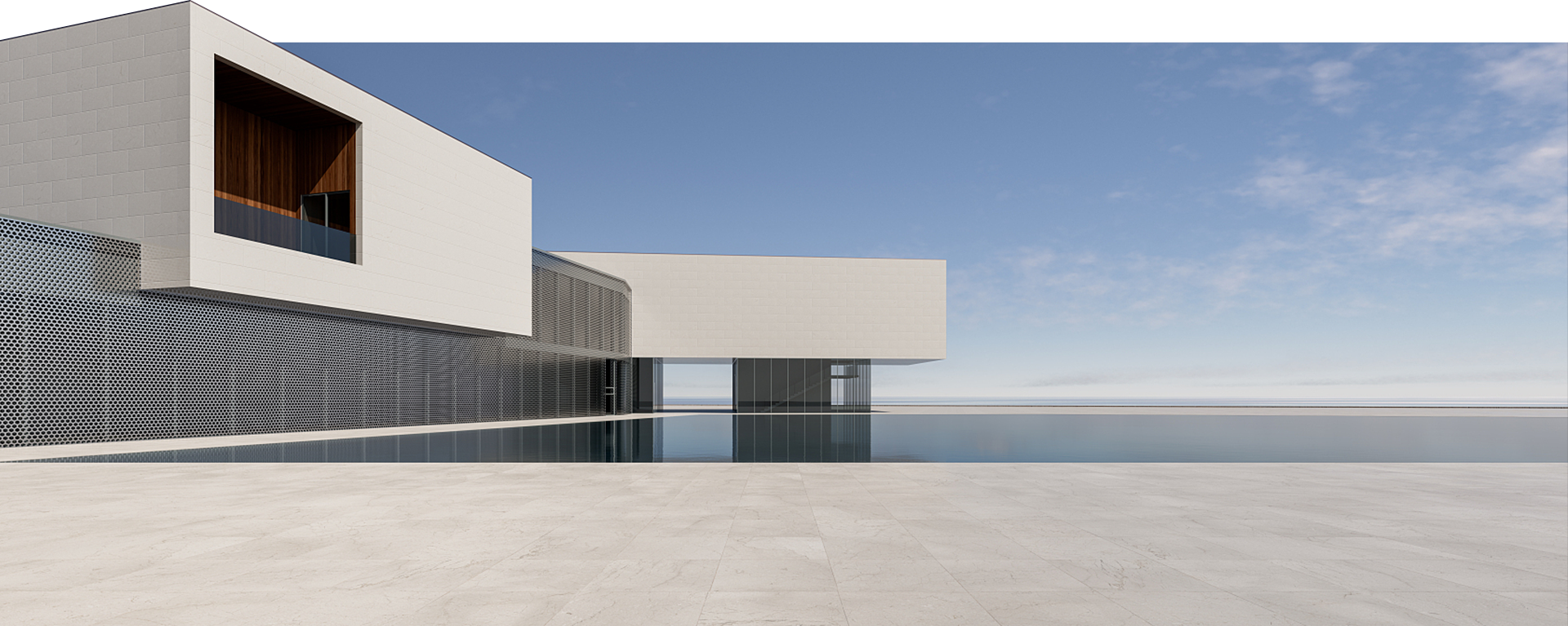
As an aluminum composite panel factory, we fully support personalized customization in terms of specifications, patterns, textures, fire ratings, and shapes.

Copyright © Taizhou Jiaxin New Material Technology Co., Ltd.
All Rights Reserved.
