 English
 中文简体
 Español
 عربى
 русский

Exterior Aluminum Composite Panel Selection: Practical Ways to Improve Facade Performance and Installation Reliability
An Exterior Aluminum Composite Panel is widely used in commercial buildings, office complexes, retail spaces, and renovation projects because it combines a clean architectural appearance with practical installation advantages. However, choosing facade materials involves more than comparing colors and surface finishes. Building owners, contractors, and purchasing teams also need to consider fire safety, weather resistance, panel flatness, fixing methods, and long-term maintenance. As a manufacturer, we understand that these details can affect both construction efficiency and the finished appearance of a building.
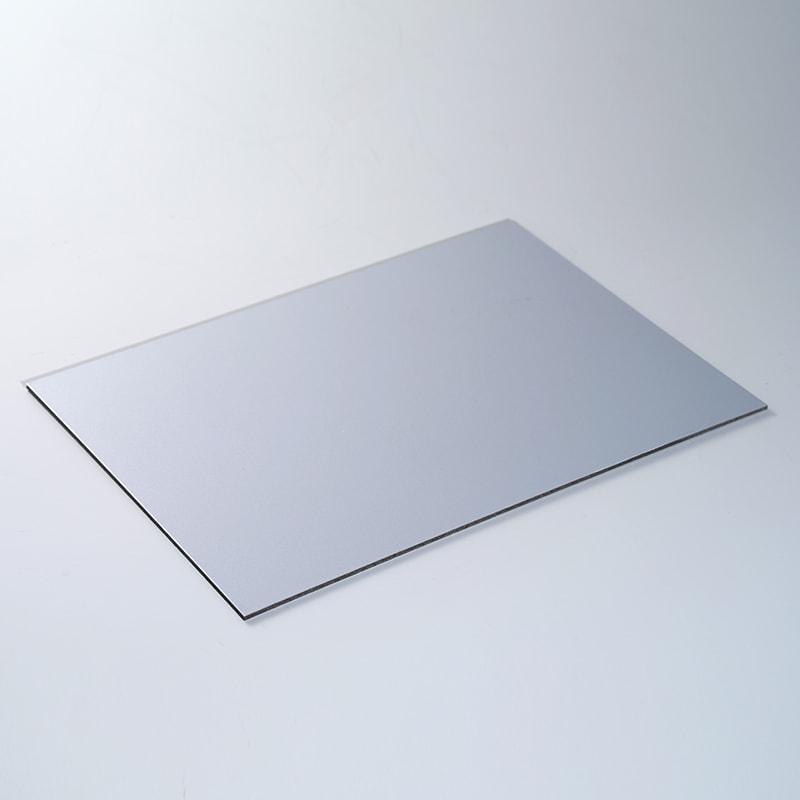
Fire Safety Remains a Key Concern in Exterior Cladding
Fire performance is one of the first factors that architects and project contractors should examine when selecting aluminum composite panels. Different projects may have different building codes and fire protection requirements, so choosing a panel based only on appearance or price can create problems later.
For exterior applications, buyers should pay attention to:
- Core material and its fire performance classification.
- Test reports and certificates relevant to the target market.
- Local facade regulations and project specifications.
- Compatibility with the complete wall assembly.
An aluminum surface alone does not determine the fire performance of the finished facade. The core, insulation, cavity barriers, and installation structure also need to be considered.
Weather Resistance Matters Beyond the Initial Installation
Exterior facades are exposed to sunlight, rain, humidity, temperature changes, and airborne pollutants. These conditions can gradually affect coating appearance and panel performance.
When evaluating weather-resistant aluminum composite panels, we recommend checking the coating system, surface adhesion, color consistency, and resistance to fading and corrosion. PVDF coating is commonly considered for demanding outdoor applications because of its weathering properties.
For coastal buildings or projects in areas with frequent rainfall, buyers should also discuss edge protection, sealing details, and suitable fixing accessories before confirming an order.
Panel Flatness and Thickness Affect the Finished Appearance
A facade may look simple in architectural drawings, but uneven panels or inconsistent dimensions can make the completed building look untidy. This is particularly noticeable on large commercial elevations where multiple panels are installed side by side.
During production, we pay attention to several details that influence the finished result:
- Aluminum skin thickness and overall panel thickness.
- Core uniformity and bonding quality.
- Surface flatness and dimensional consistency.
- Cutting accuracy and edge processing.
For buyers sourcing aluminum composite cladding panels in bulk, checking production samples before mass production can help reduce color differences, installation adjustments, and unnecessary material waste.
Rainscreen Design Helps Manage Moisture Problems
Water entering behind exterior cladding is a concern for many building contractors. Even when the panel surface performs well, poorly designed joints or inadequate drainage can create moisture problems inside the wall assembly.
A ventilated rainscreen system provides a drainage and ventilation cavity behind the panels. When properly designed, this arrangement helps manage water penetration and allows moisture to escape.
We recommend coordinating the following details before installation:
- Panel joints and expansion allowances.
- Supporting rails and fixing positions.
- Waterproof membranes and flashing around openings.
- Drainage paths and cavity ventilation.
These details are particularly important for high-rise buildings and projects exposed to frequent wind-driven rain.
Sustainable Materials Are Becoming Part of Purchasing Decisions
Building owners are paying more attention to material sourcing, service life, and end-of-life handling. Aluminum is recyclable, which makes material recovery an important consideration for facade renovation and new construction.
However, aluminum composite panels contain multiple bonded layers, so recycling requires suitable separation and processing facilities. Buyers should ask suppliers about available material documentation, recycled content information, and practical recovery options rather than relying on general environmental claims.
Manufacturer Communication Can Prevent Project Delays
One common sourcing problem is that the selected panel does not fully match the installation requirements. This can lead to additional fabrication, replacement orders, or adjustments during construction.
As a manufacturer, we encourage overseas buyers to confirm the following information before placing bulk orders:
- Application environment and building location.
- Required fire performance and applicable standards.
- Panel dimensions, thickness, and aluminum skin specifications.
- Surface finish, color, and coating requirements.
- Fabrication drawings, packaging, and delivery arrangements.
Clear communication between the project team and production team makes it easier to coordinate specifications and prepare materials for installation.
Choosing Panels Around Real Project Requirements
Exterior facade materials need to balance appearance, safety, durability, and installation requirements. Instead of selecting panels based on a single specification, buyers should evaluate how the material will work with the building's complete wall system. Our Exterior Aluminum Composite Panel solutions are developed with attention to material consistency, surface finishes, fabrication requirements, and different architectural applications, helping contractors and distributors source suitable panels for their projects.
-
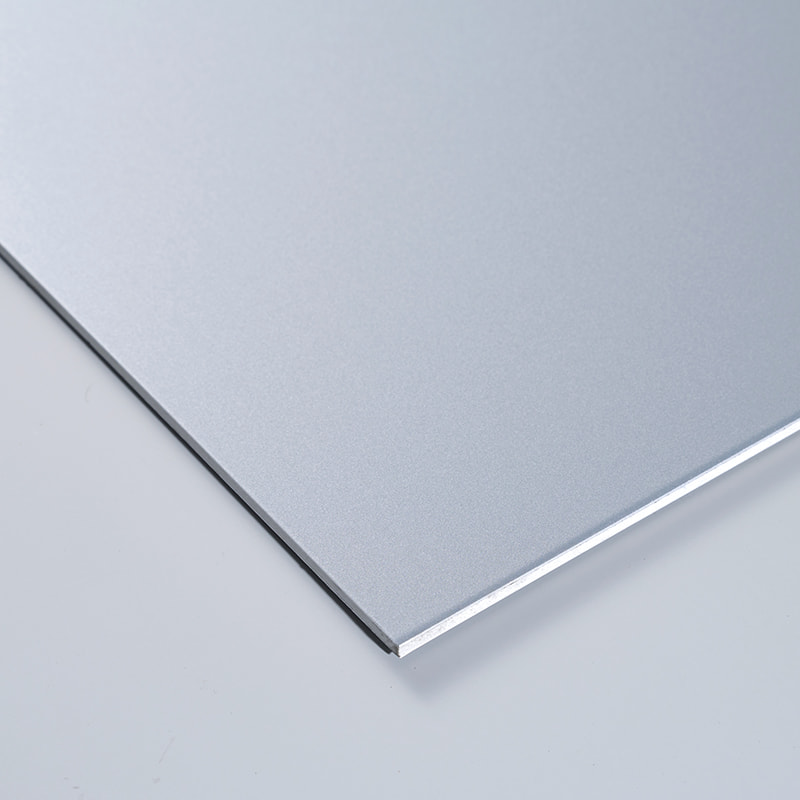
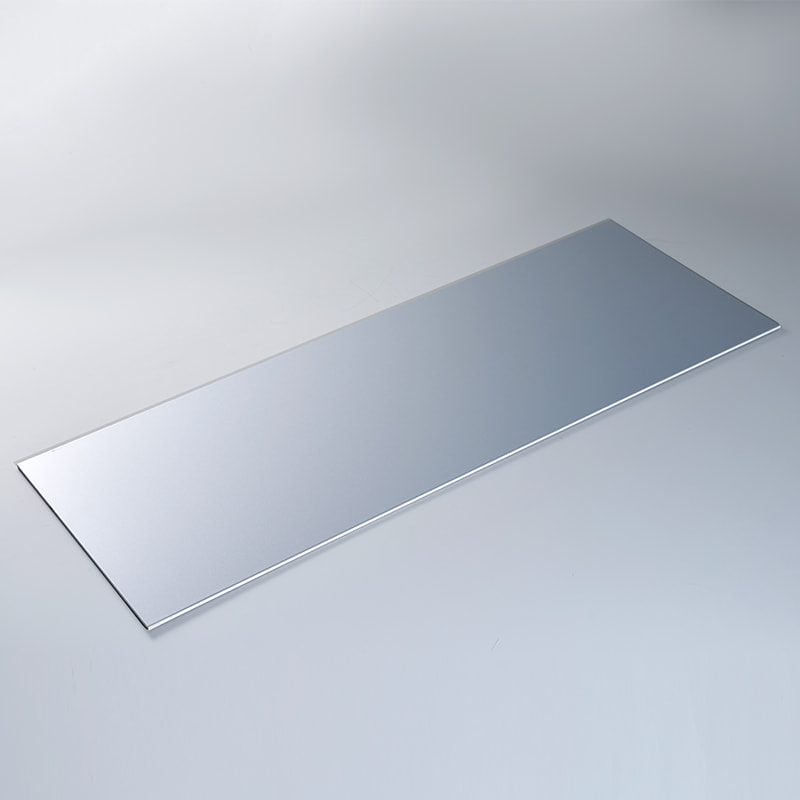 B1 Fire Rated Aluminum Composite Panel
-
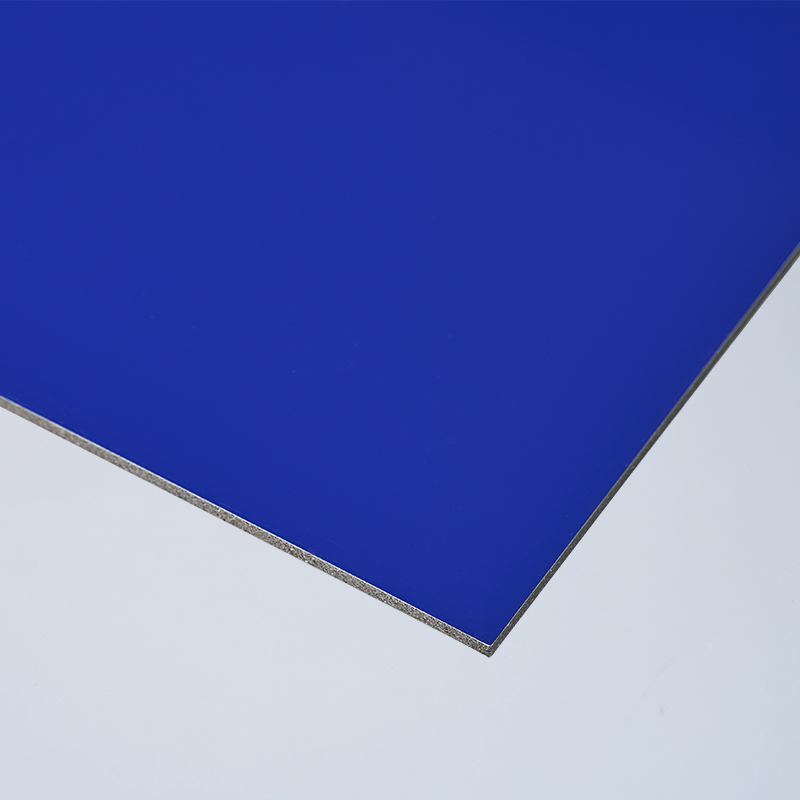
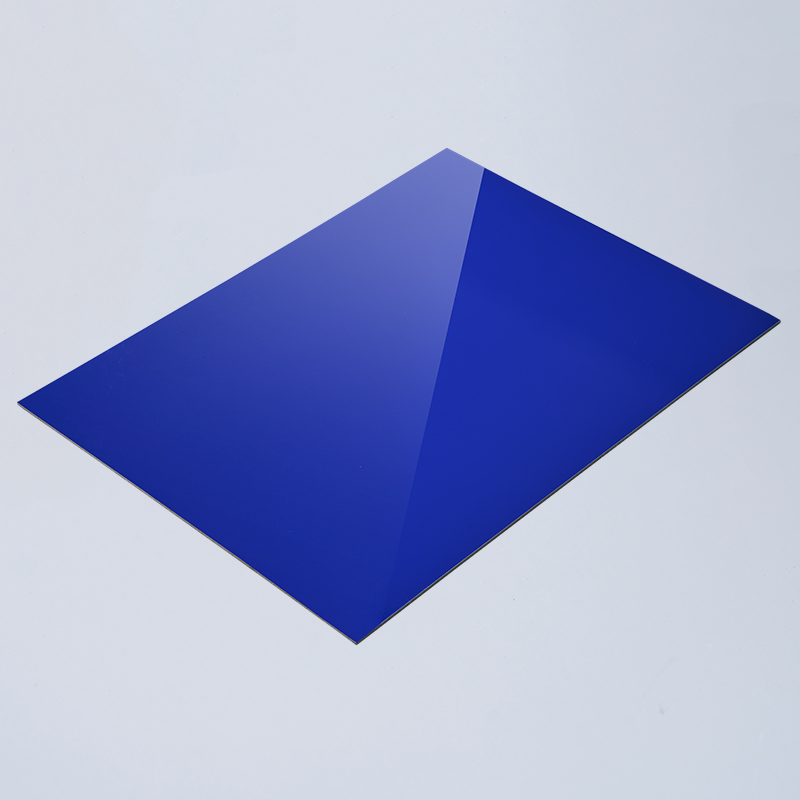 Light Box Signage Aluminum Composite Panel
-
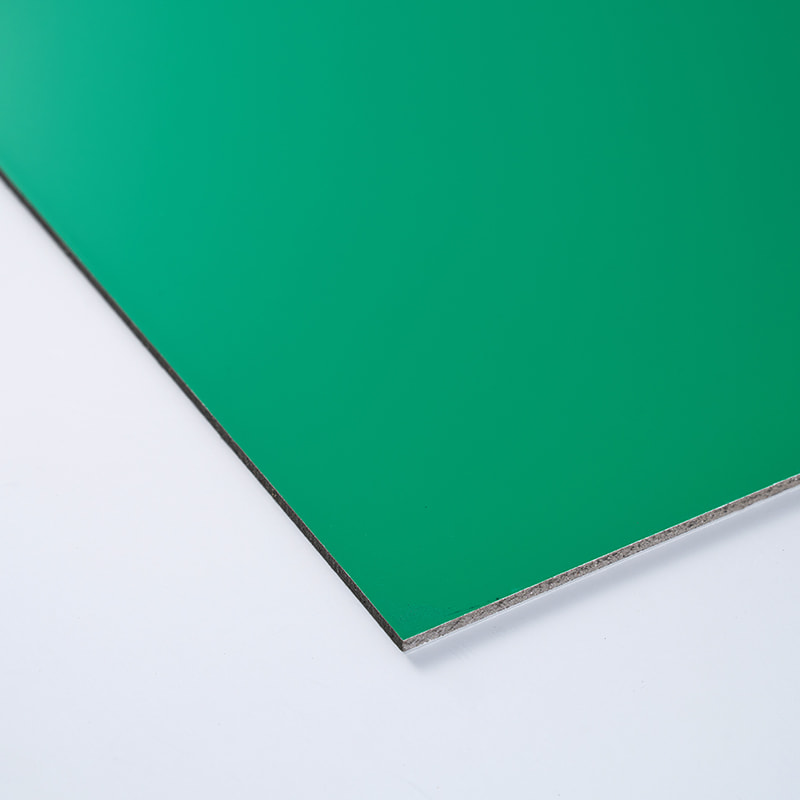
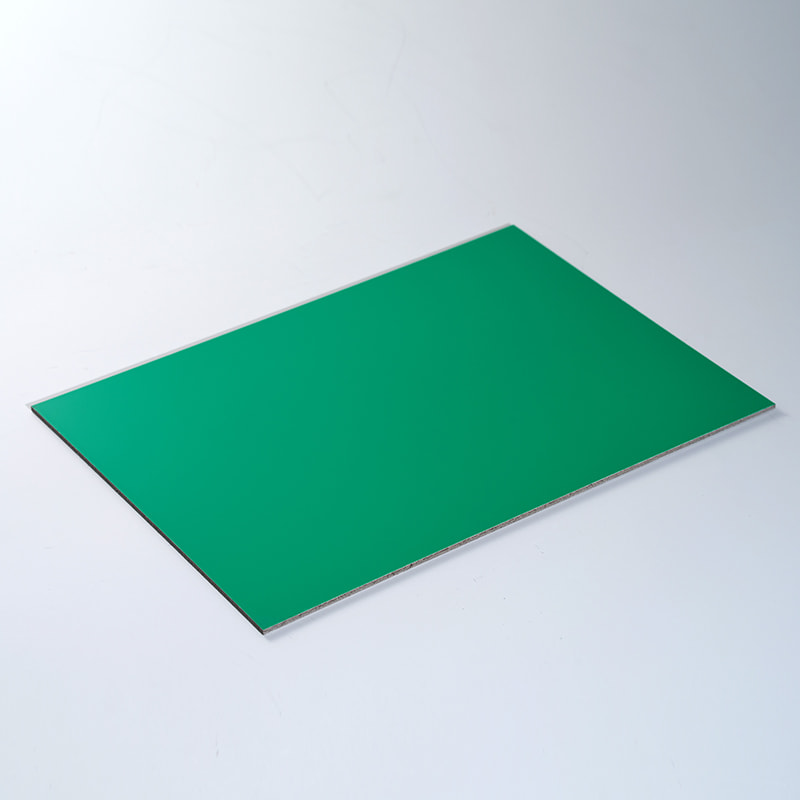 General Signage Aluminum Composite Panel
-
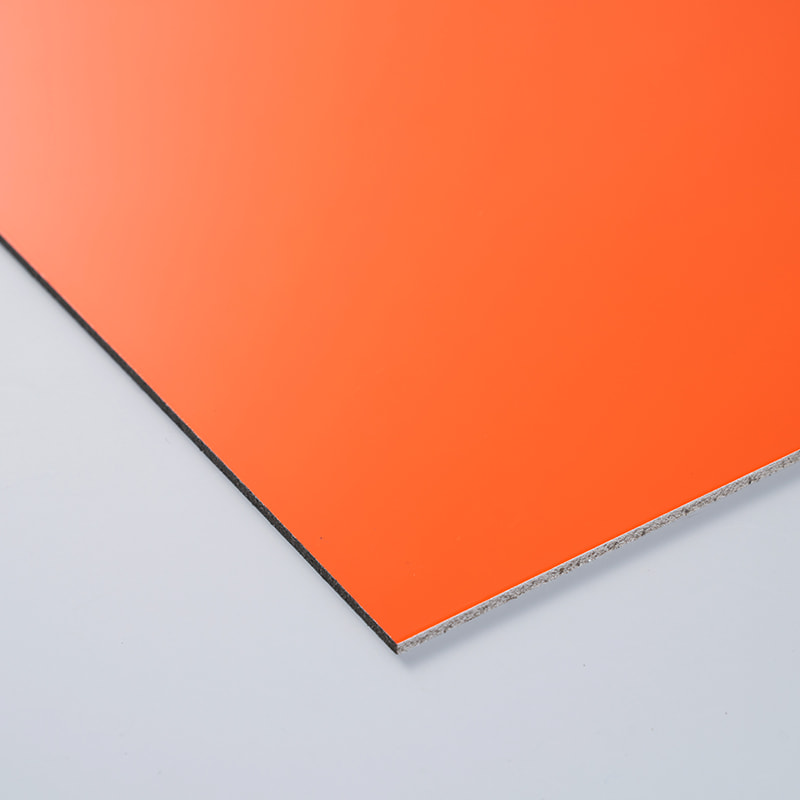
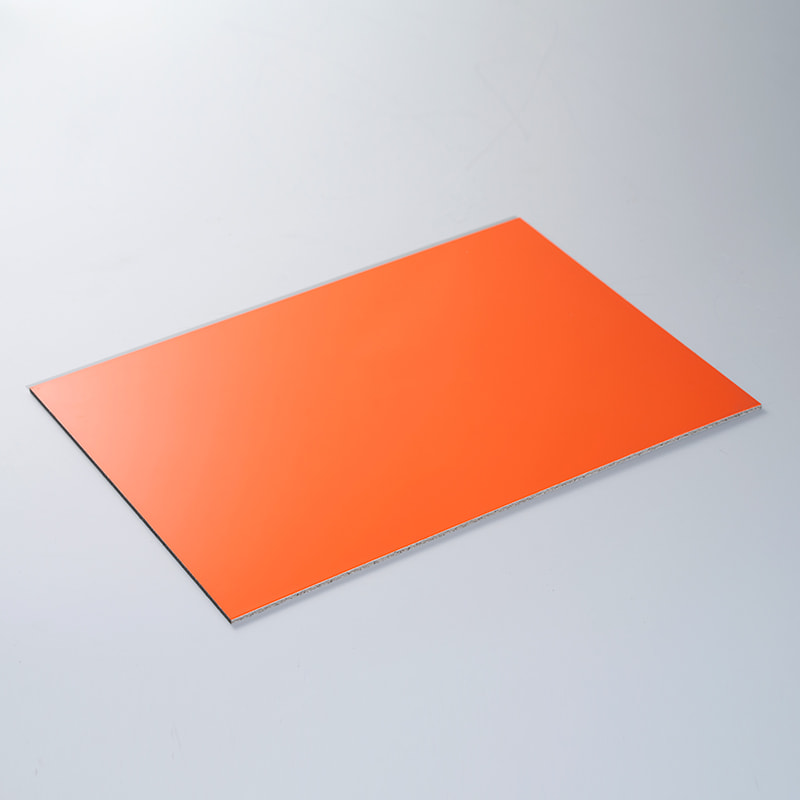 PE Aluminum Composite Panel
-
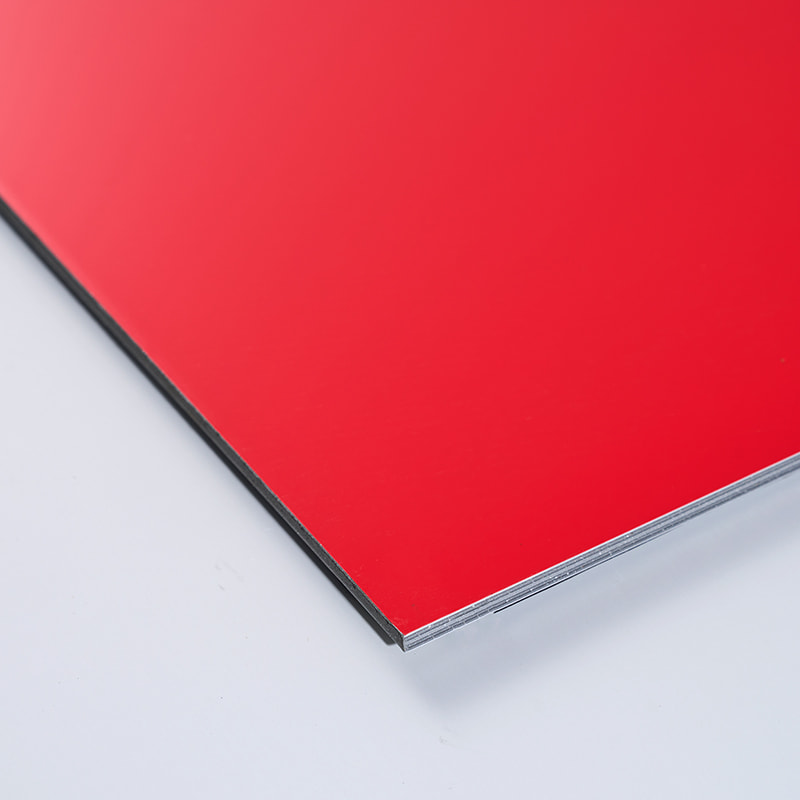
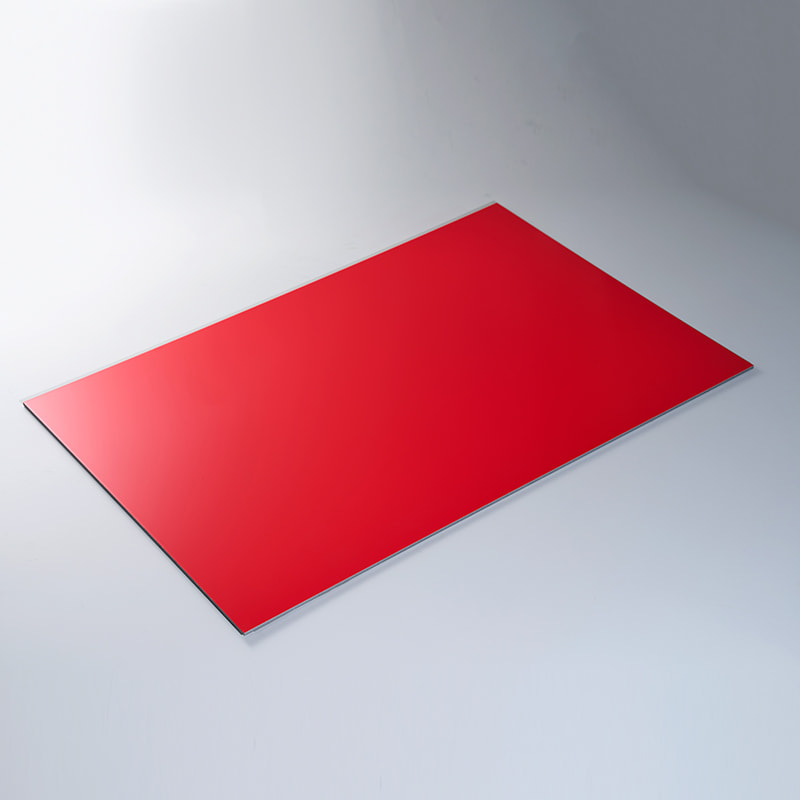 PVDF Aluminum Composite Panel
-
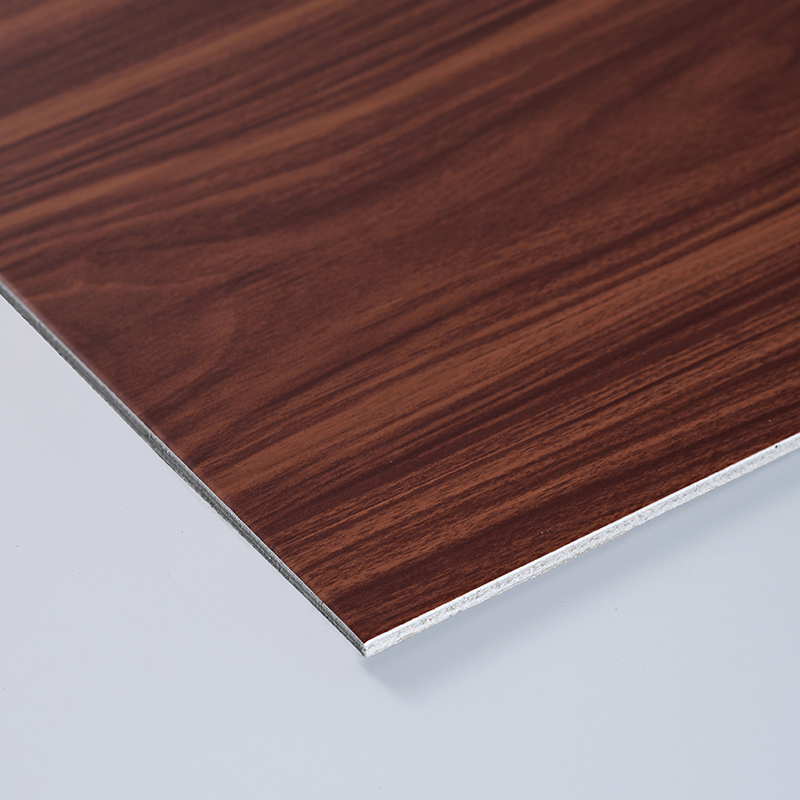
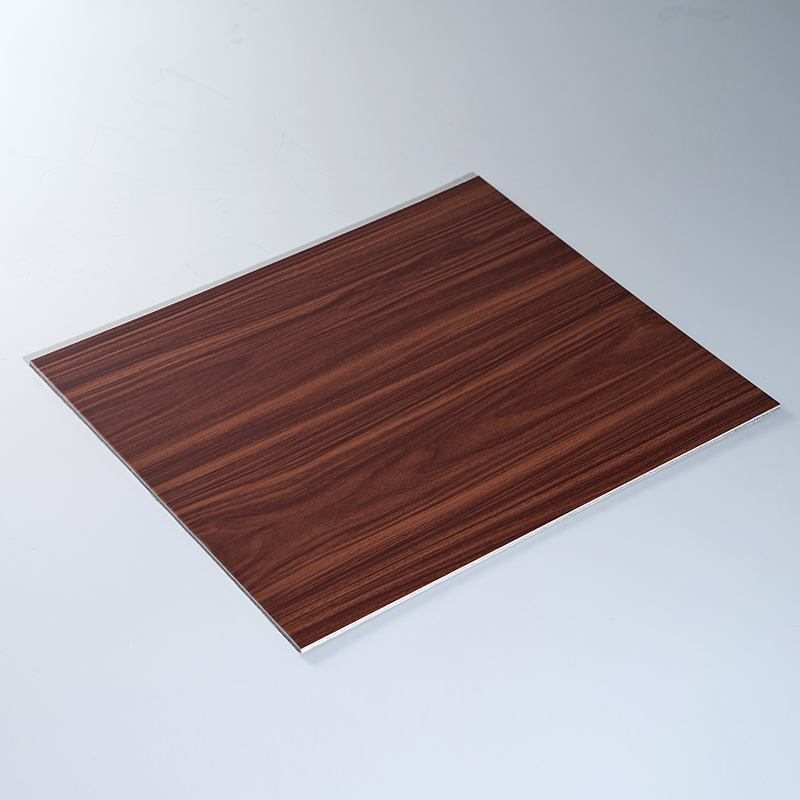 Wood-Grain Aluminum Composite Panel
-
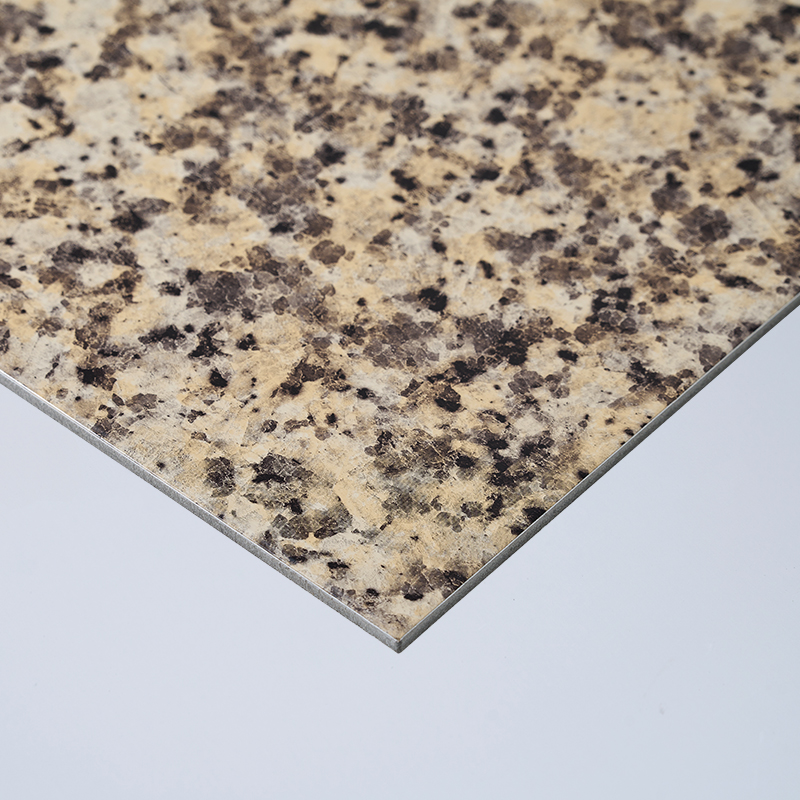
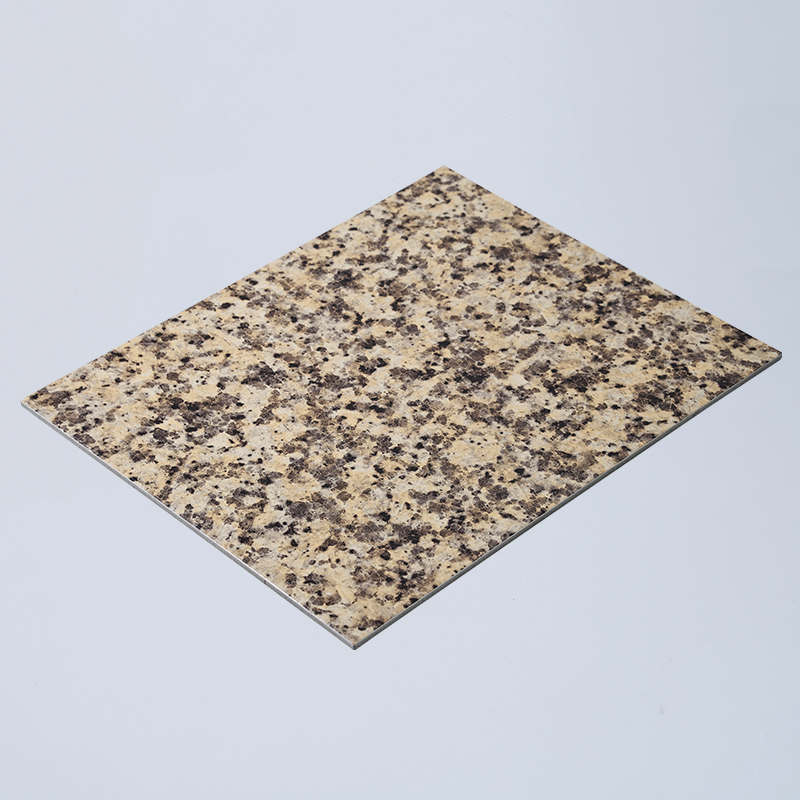 Granite Finish Aluminum Composite Panel
-
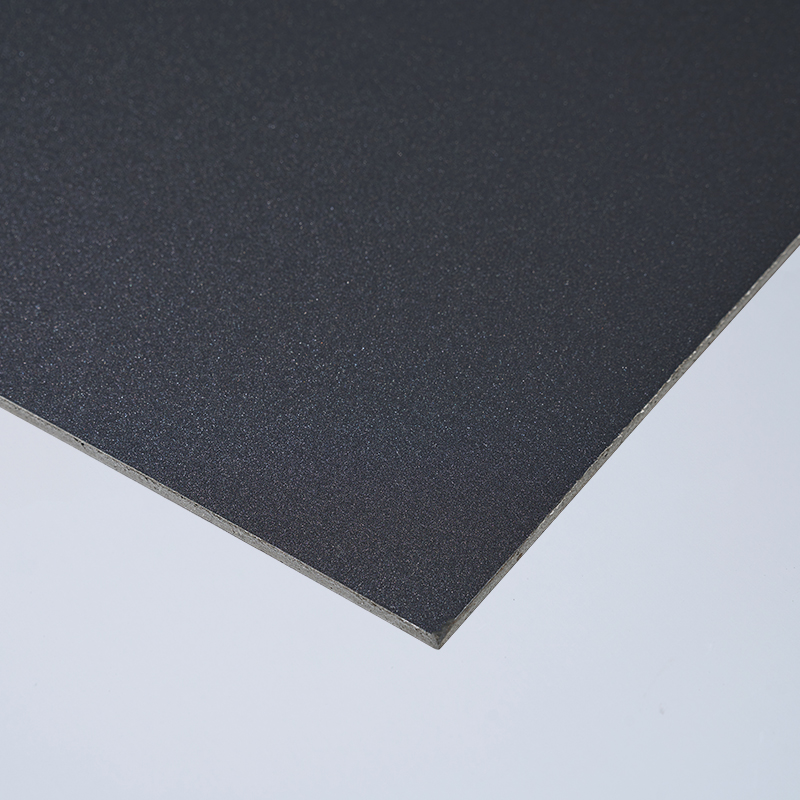
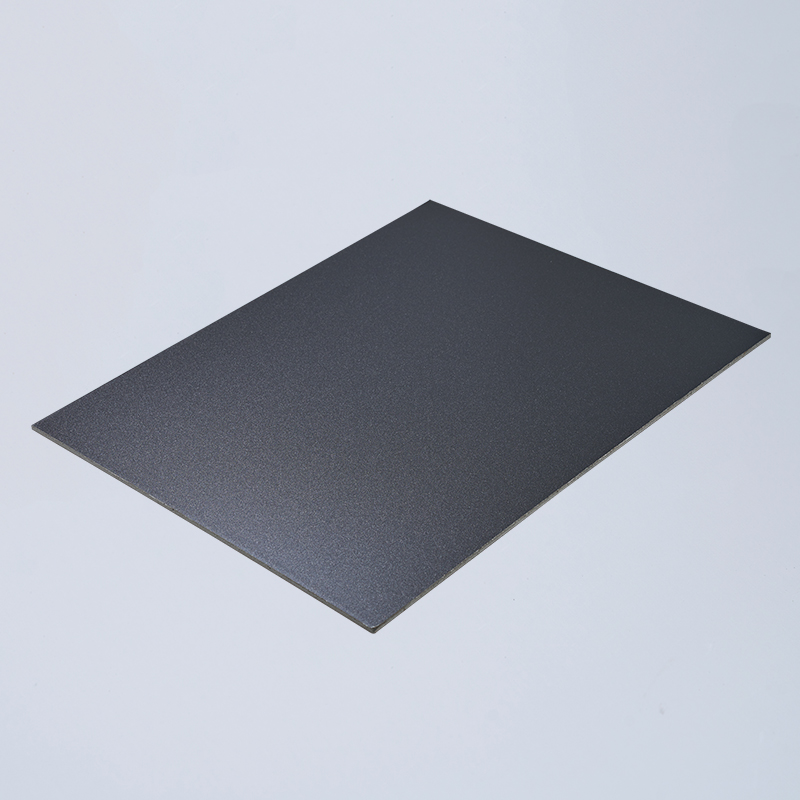 Pearlescent Aluminum Composite Panel
-
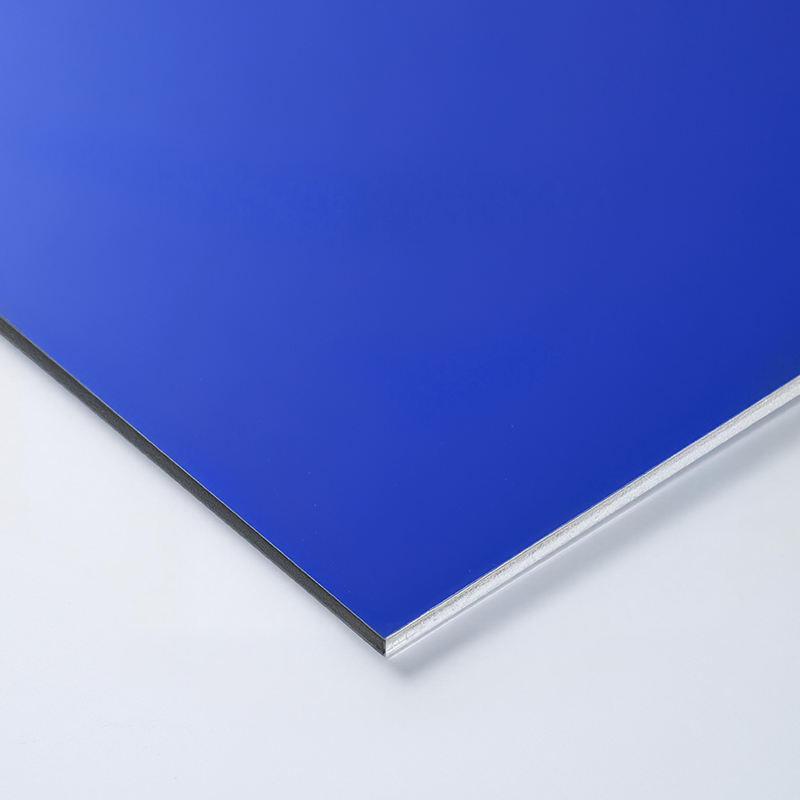
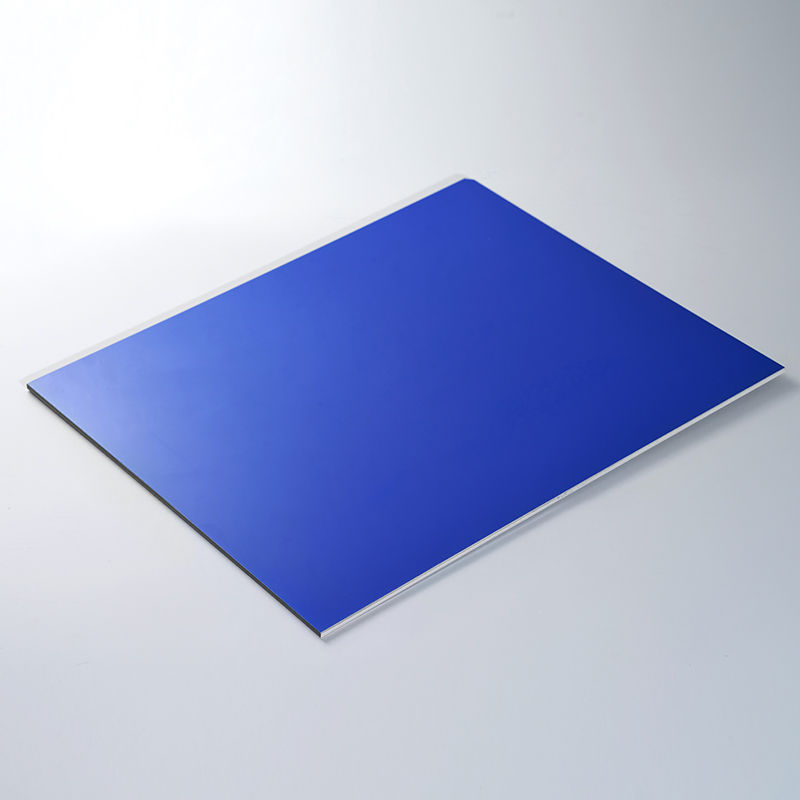 Matt Finish Aluminum Composite Panel
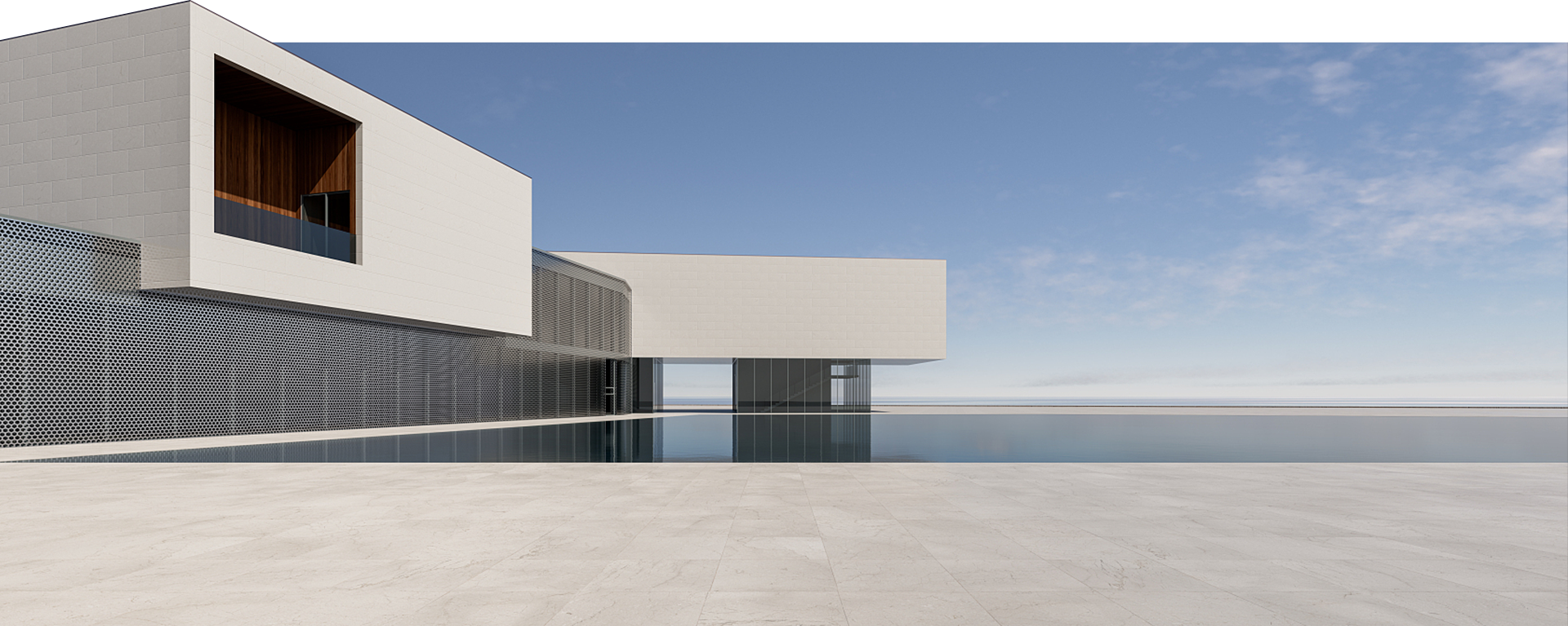
As an aluminum composite panel factory, we fully support personalized customization in terms of specifications, patterns, textures, fire ratings, and shapes.

Copyright © Taizhou Jiaxin New Material Technology Co., Ltd.
All Rights Reserved.
