 English
 中文简体
中文简体 Español
 عربى
عربى русский
PVDF and PE Aluminum Composite Panel Finishes
Aluminum Composite Panel Finishes are closely connected with the coating system applied to the aluminum surface. The coating influences the visual appearance and can also affect how the panel performs in a particular environment.
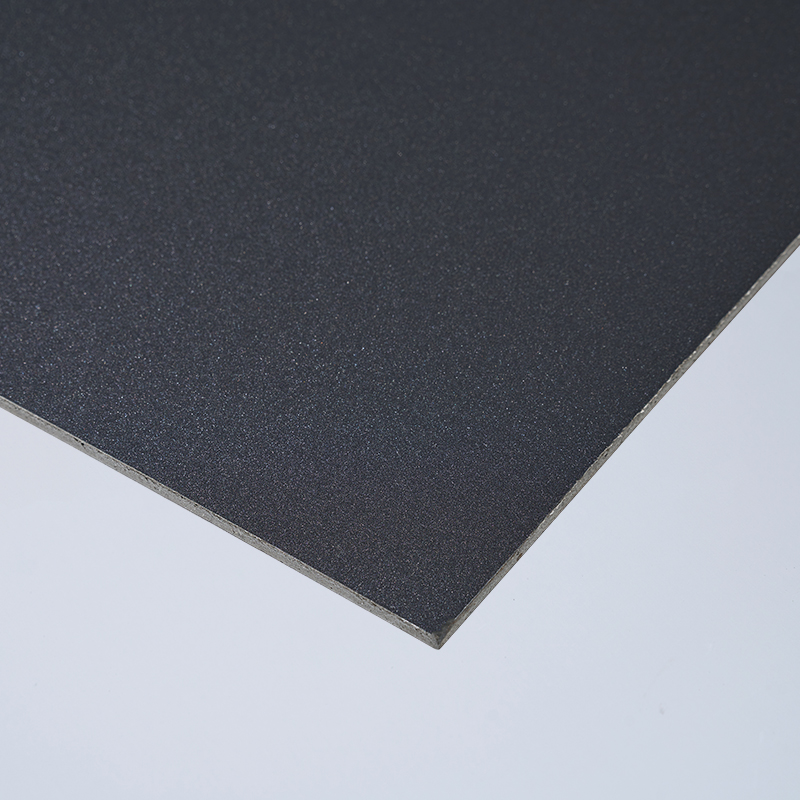
PVDF and PE are two coating options commonly associated with aluminum composite panels. They are used for different project requirements, so buyers need to understand the differences before selecting a panel.
The appropriate coating depends on whether the panel will be used indoors or outdoors, the level of environmental exposure, the desired surface appearance, and the maintenance conditions of the project.
PVDF Finish for Exterior Applications
PVDF coating is commonly associated with architectural applications where panels are exposed to outdoor conditions.
Exterior walls can experience sunlight, rain, humidity, dust, and temperature changes. A coating system intended for this environment needs to correspond with the conditions around the building.
PVDF surfaces are available in different colors and visual effects. Depending on the product configuration, the surface may have a solid, metallic, matte, or other decorative appearance.
For facade projects, buyers should review the coating specification together with the panel structure. The surface finish should not be considered separately from the complete panel system.
PE Finish for Interior Applications
PE coating is often associated with interior decorative applications. It can be used on wall panels, ceilings, displays, commercial interiors, and other areas where outdoor exposure is limited.
Interior projects usually have different environmental requirements from exterior facades. Sunlight, rainfall, humidity, and temperature changes may be less demanding inside a building.
The visual requirements can therefore receive greater attention. Color, gloss, texture, and pattern may become important factors for interior design.
Before choosing a PE coated panel, buyers should still check the intended application and product specification.
PVDF and PE Comparison
The main difference between PVDF and PE relates to their coating systems and typical application environments.
PVDF is frequently selected for exterior architectural projects where weather exposure is a major consideration. PE can be suitable for many interior decorative projects.
However, coating selection should not be based on a general rule alone. The building environment, design requirements, maintenance plan, and product specification all need to be reviewed.
A panel intended for a sheltered interior area may have different requirements from a panel installed on an exposed facade.
Anodized Surface Treatment
Anodized aluminum creates a surface appearance that differs from painted coatings. The treatment changes the aluminum surface through an electrochemical process.
Anodized appearances are often associated with metallic architectural designs. They can provide a distinctive surface texture and visual character.
When comparing anodized surfaces with coated panels, buyers should consider appearance, color, texture, application environment, and maintenance requirements.
The selected surface treatment should correspond with the architectural design and the technical requirements of the project.
Selecting a Coating for Exterior Projects
Exterior projects should be evaluated according to sunlight exposure, rainfall, humidity, temperature variation, air pollution, and expected cleaning conditions.
The coating specification should be checked carefully before procurement. A project located in an exposed outdoor environment may require a coating system designed for that type of exposure.
Color selection also matters. Some colors and surface effects can interact with natural light differently, so physical samples are useful during design approval.
Selecting a Coating for Interior Projects
Interior applications can include wall decoration, ceilings, retail interiors, office spaces, display structures, and furniture components.
In these environments, designers may place greater attention on color matching, texture, gloss, and decorative effect.
Cleaning requirements should also be considered. High contact areas may require surfaces that are convenient to maintain.
The panel should be selected according to the actual interior environment rather than relying only on its visual appearance.
Questions for Buyers
Purchasing teams can ask several questions before selecting an Aluminum Composite Panel Finish.
The coating type should be clearly identified. The surface finish, color reference, gloss level, texture, and intended application should also be confirmed.
For exterior projects, buyers can ask about environmental suitability and maintenance requirements. For interior projects, questions about cleaning, surface appearance, and color consistency may be more relevant.
Physical samples can help confirm the relationship between the coating system and the desired finish.
Coordinating Coating and Finish
PVDF, PE, and anodized surfaces should be considered as part of the complete design specification.
A suitable choice requires attention to the environment, surface appearance, installation conditions, maintenance, and visual requirements.
By reviewing these factors together, project teams can select an Aluminum Composite Panel Finish that corresponds with the actual application rather than choosing a coating based only on general assumptions.
-
 B1 Fire Rated Aluminum Composite Panel
 -
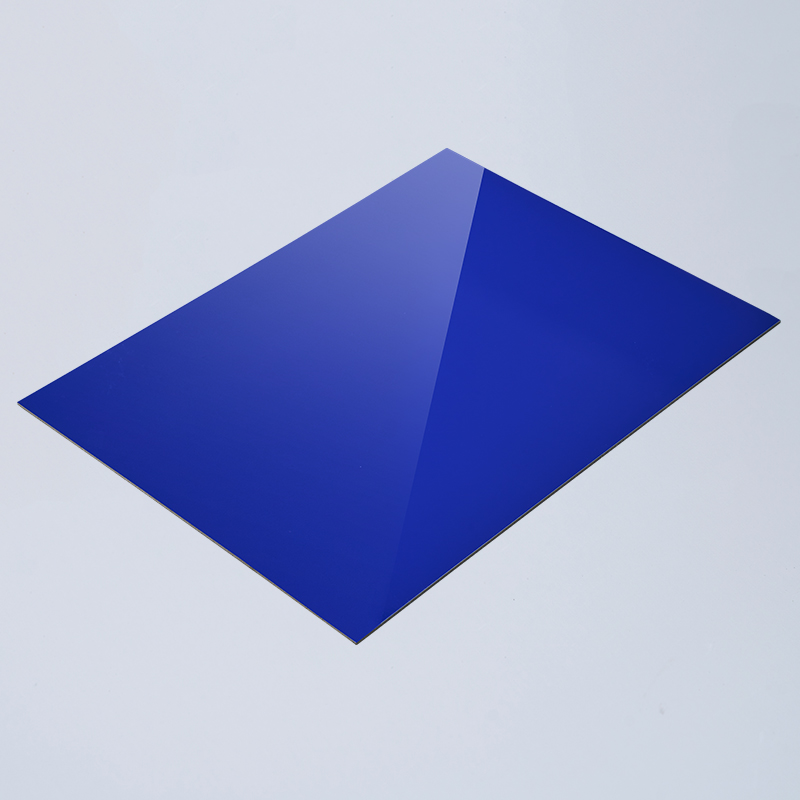 Light Box Signage Aluminum Composite Panel
 -
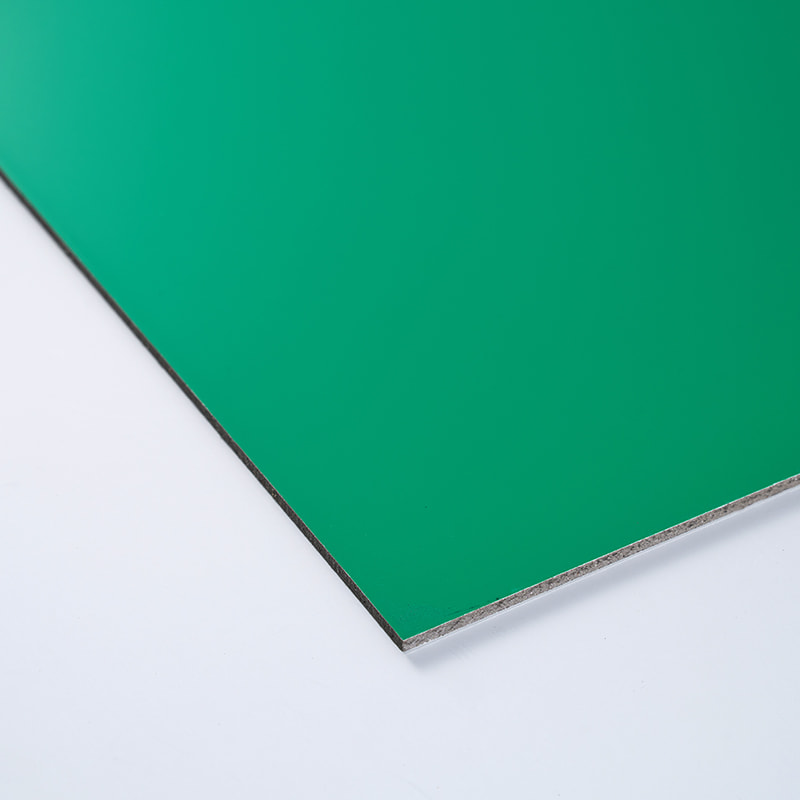
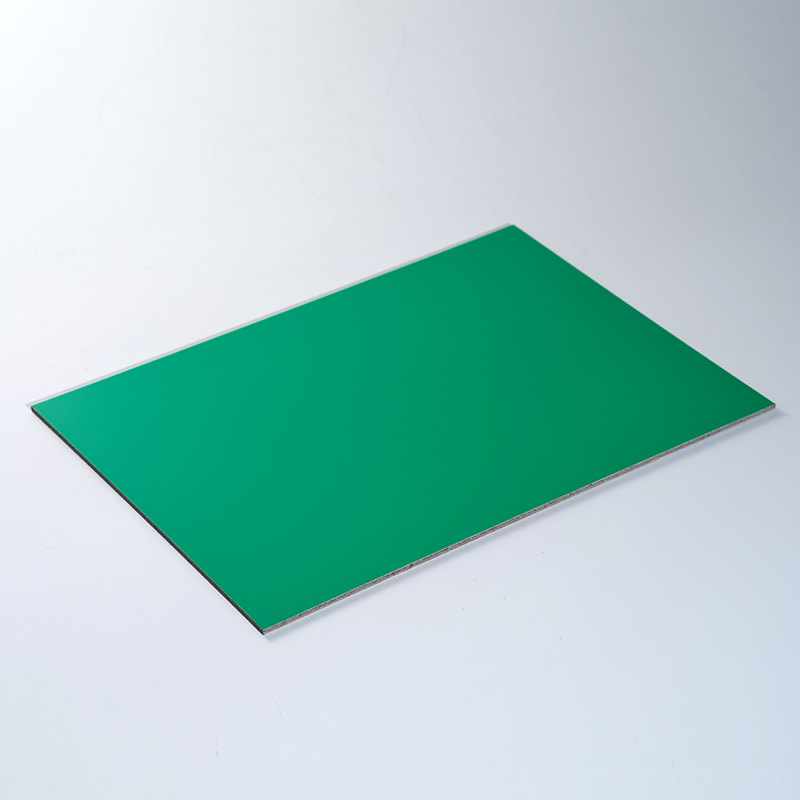 General Signage Aluminum Composite Panel
 -
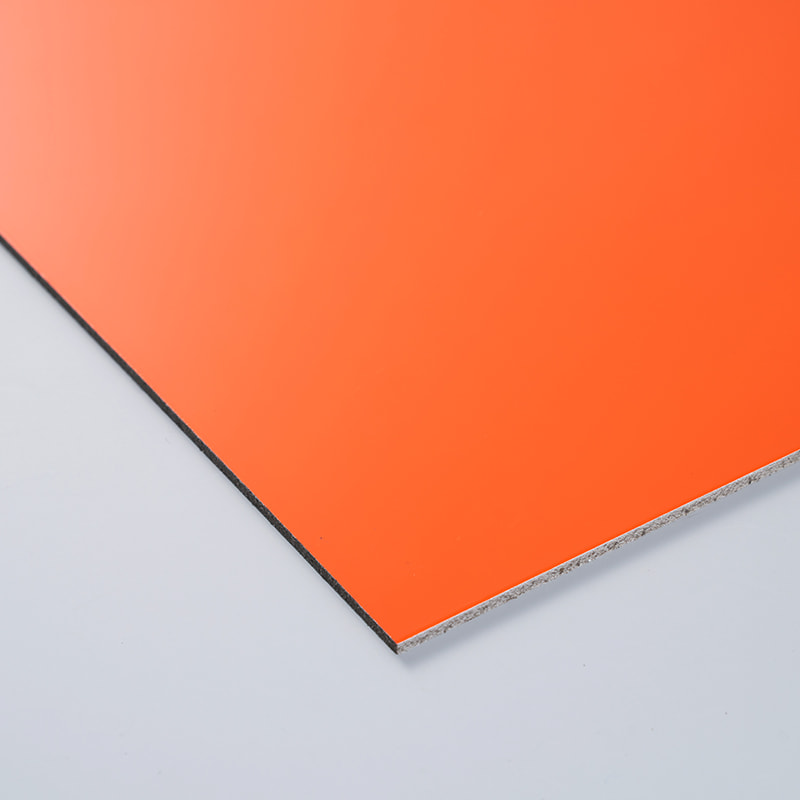
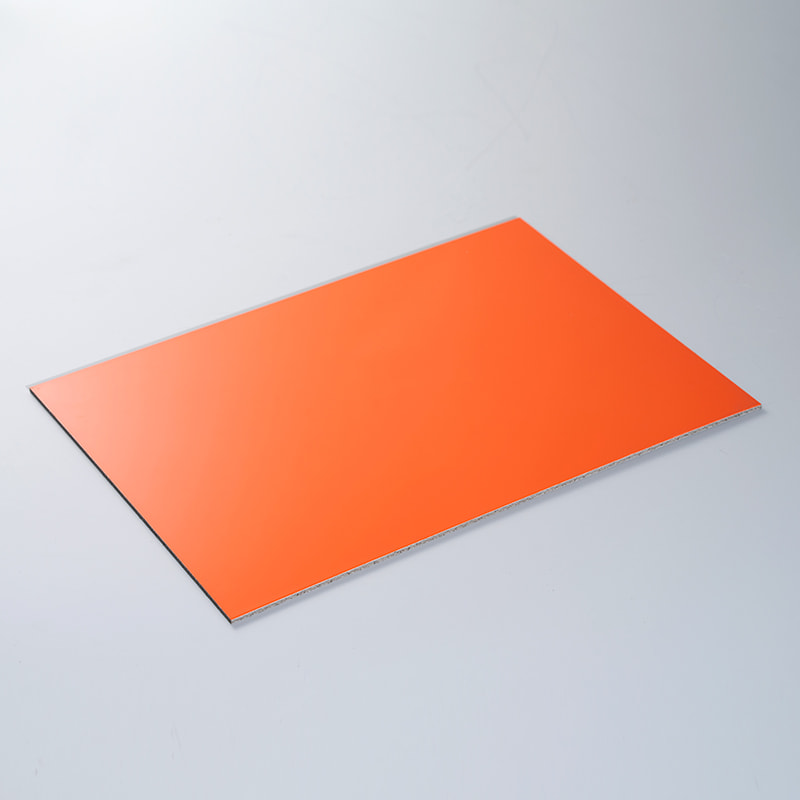 PE Aluminum Composite Panel
 -
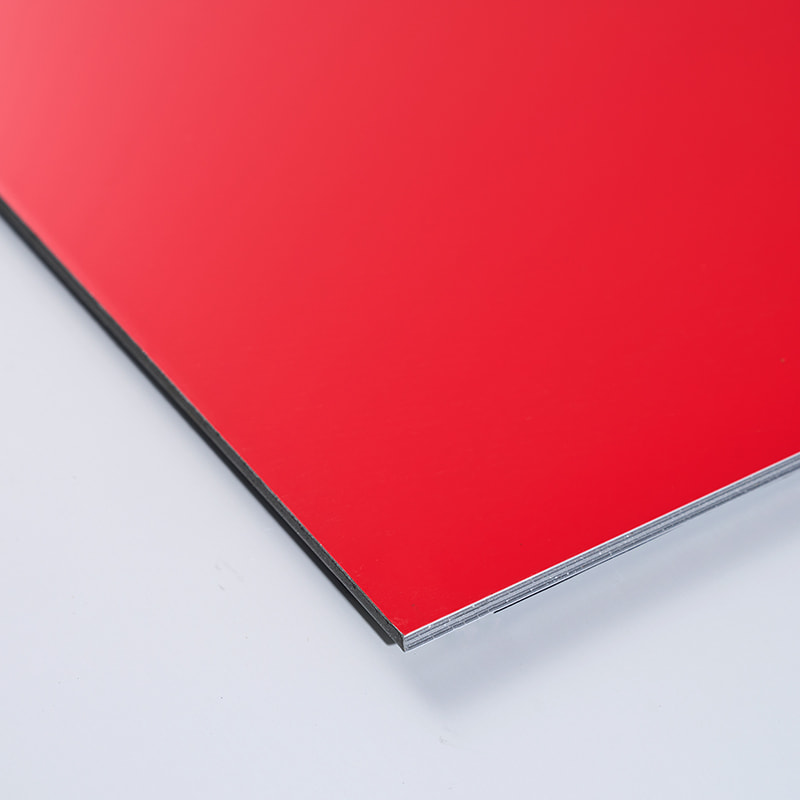
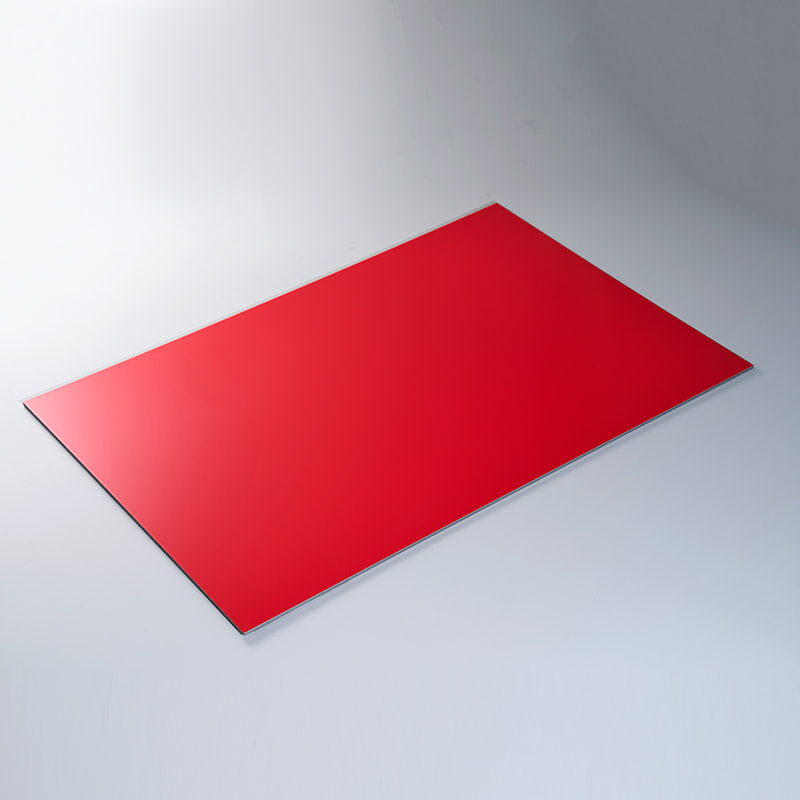 PVDF Aluminum Composite Panel
 -
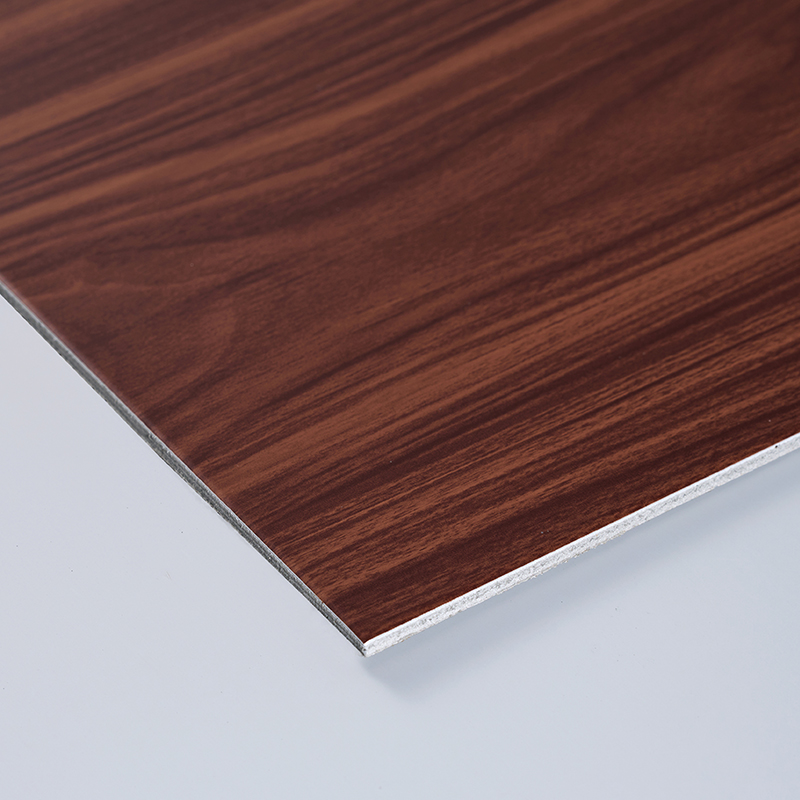
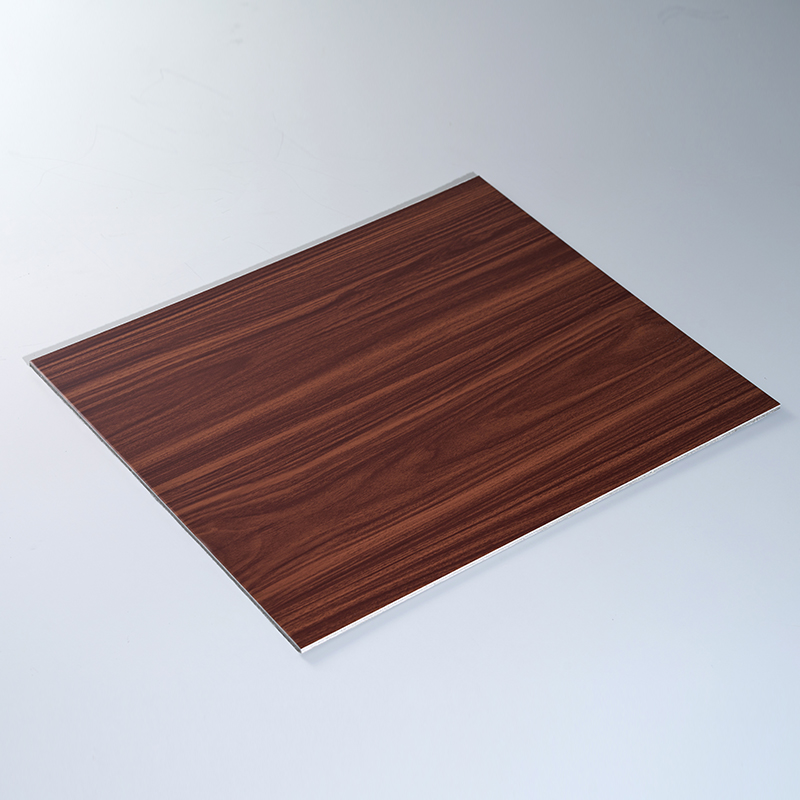 Wood-Grain Aluminum Composite Panel
 -
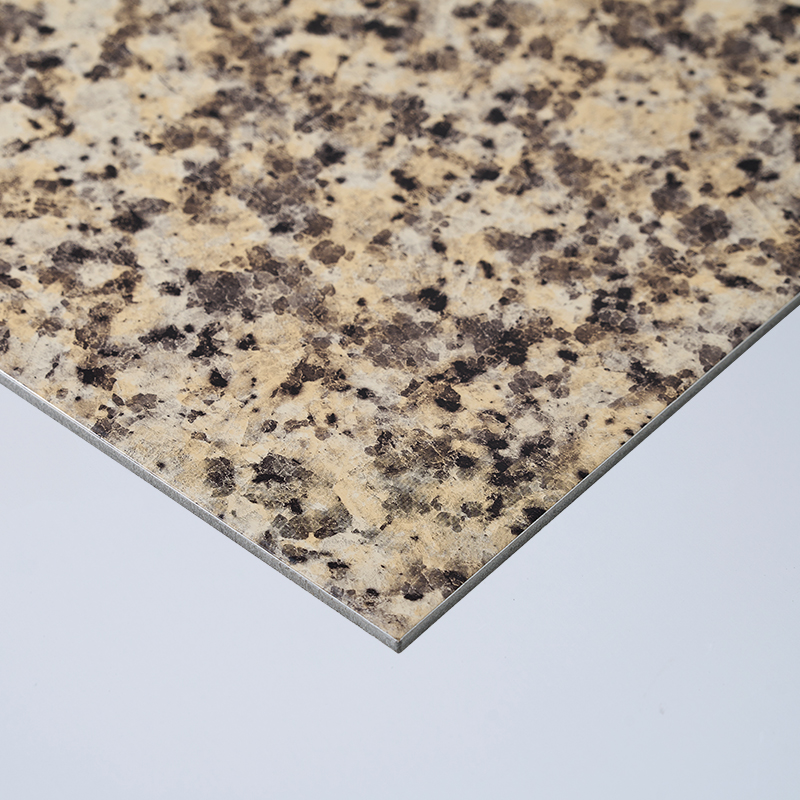
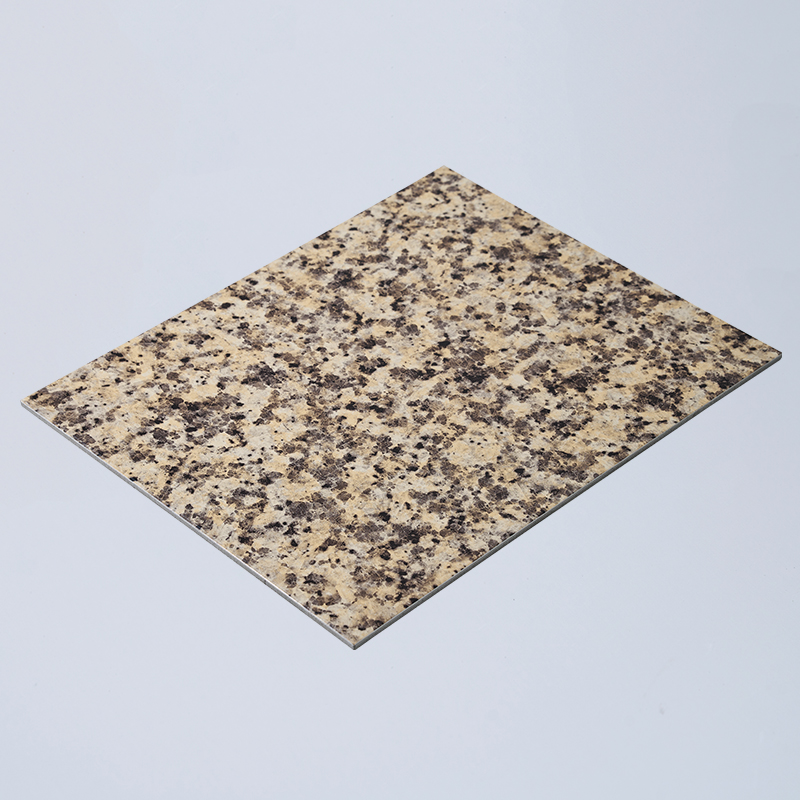 Granite Finish Aluminum Composite Panel
 -
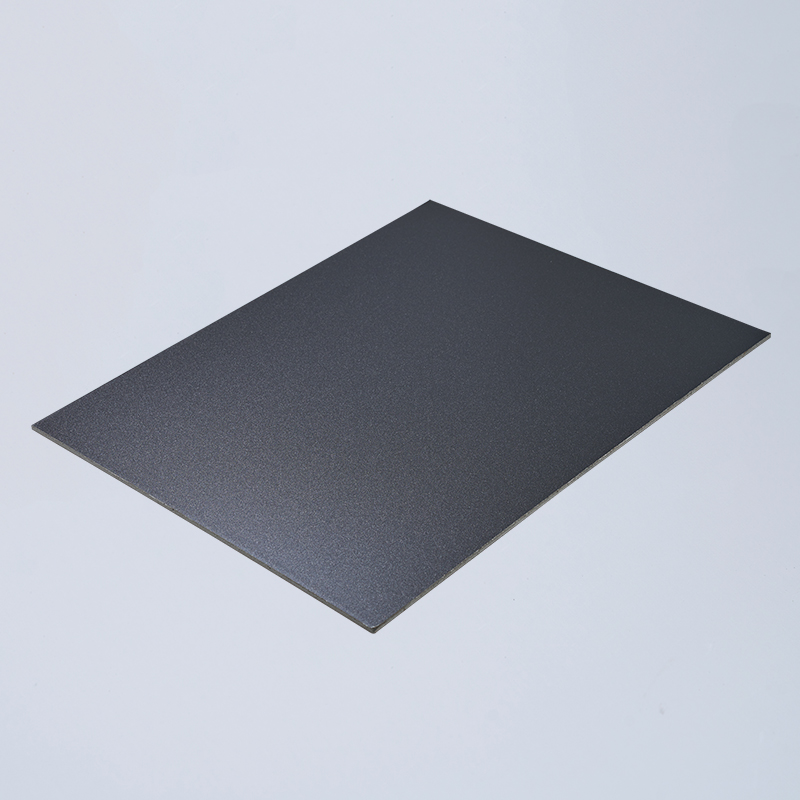 Pearlescent Aluminum Composite Panel
 -
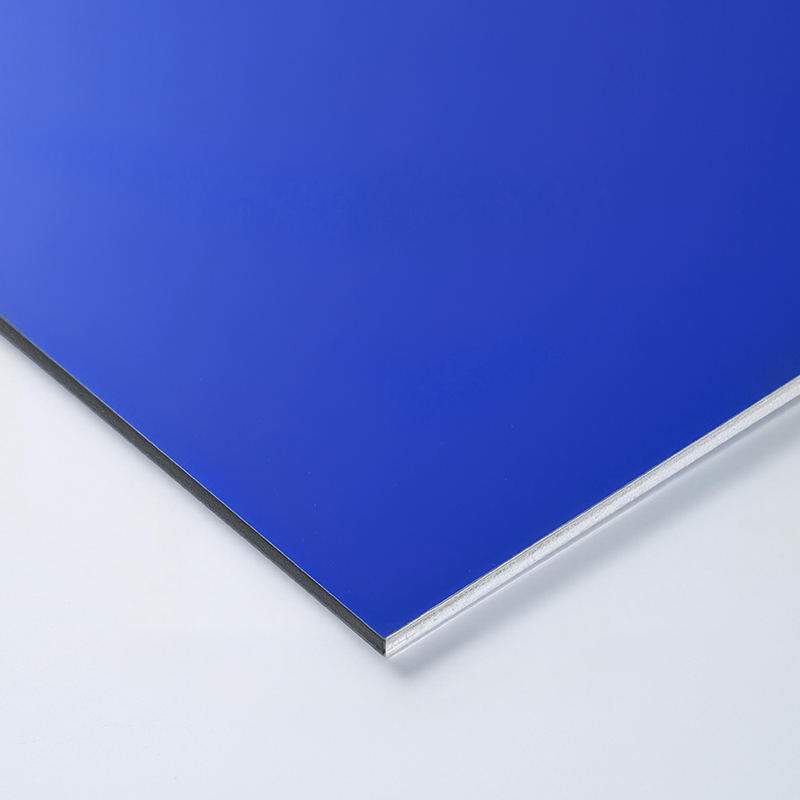
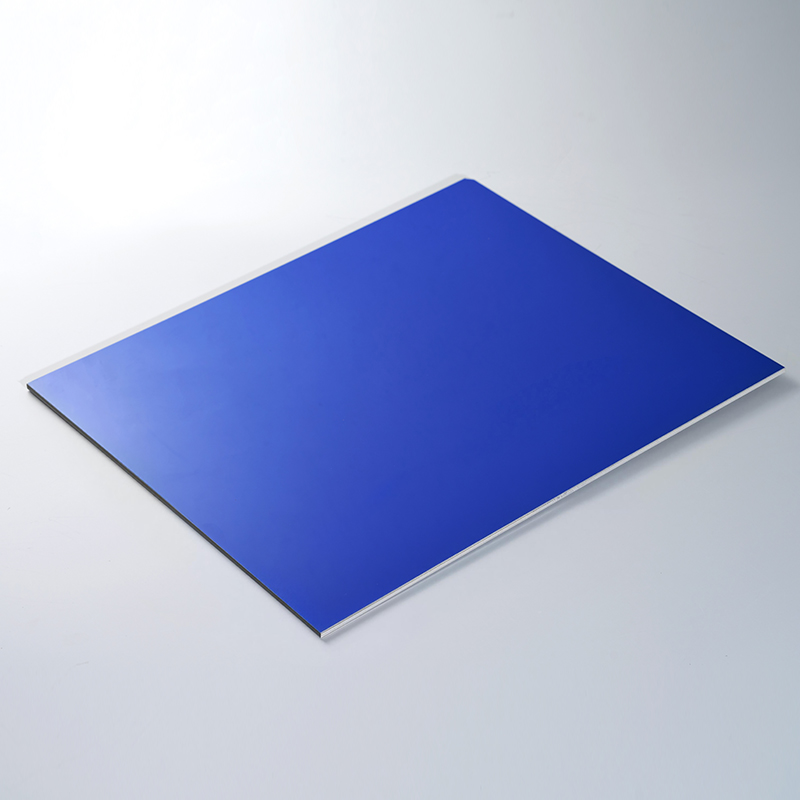 Matt Finish Aluminum Composite Panel
As an aluminum composite panel factory, we fully support personalized customization in terms of specifications, patterns, textures, fire ratings, and shapes.

Copyright © Taizhou Jiaxin New Material Technology Co., Ltd.
All Rights Reserved.
