 English
 中文简体
中文简体 Español
 عربى
عربى русский
Aluminum Composite Panel Finishes for Exterior Design
Aluminum Composite Panel Finishes have become an important consideration in exterior architectural design. An aluminum composite panel provides a flat surface that can be finished in different colors, textures, and visual effects, allowing designers to coordinate building facades with the surrounding architectural concept.
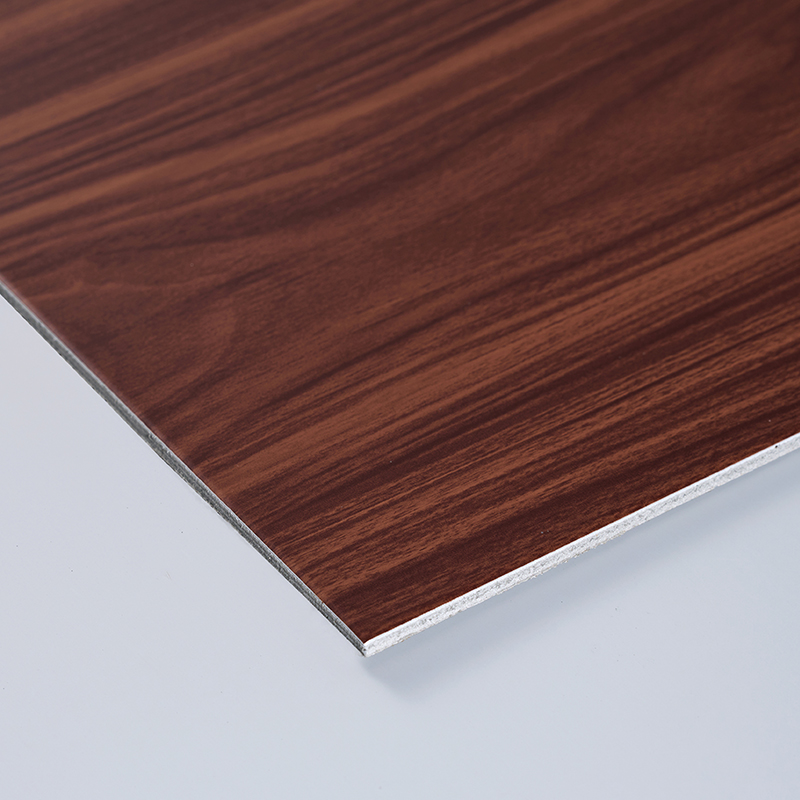
The selected finish can influence how a facade appears under natural light. A matte surface may create a soft visual effect, while a metallic or gloss surface can interact more noticeably with daylight. Brushed textures can introduce directional lines, while wood grain and stone patterns can create a decorative appearance.
For exterior projects, finish selection should involve more than visual preferences. The building location, environmental exposure, cleaning requirements, panel arrangement, and coating system should also be considered.
Common Exterior Finish Options
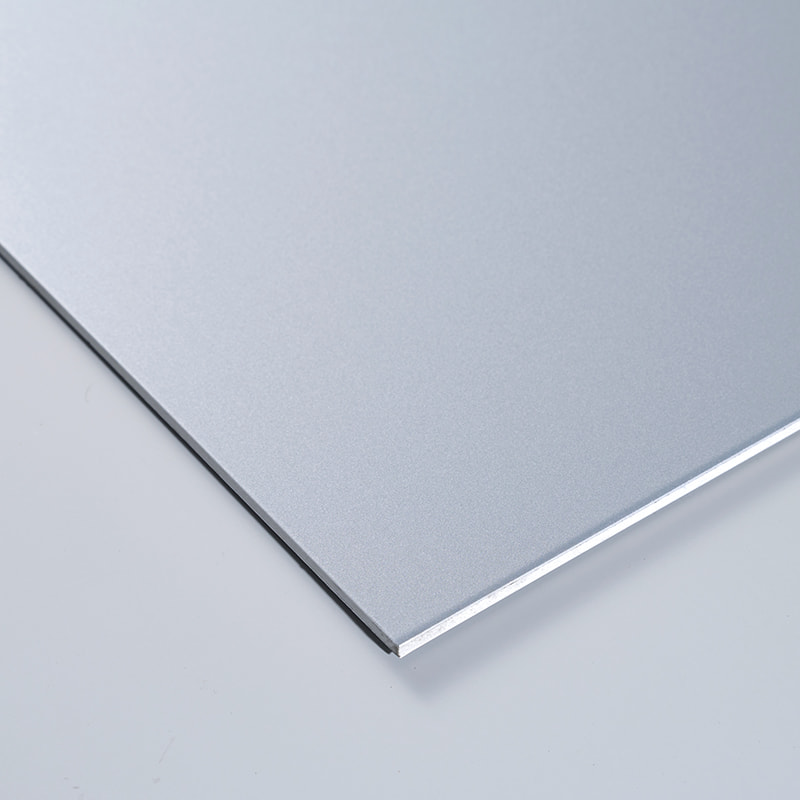
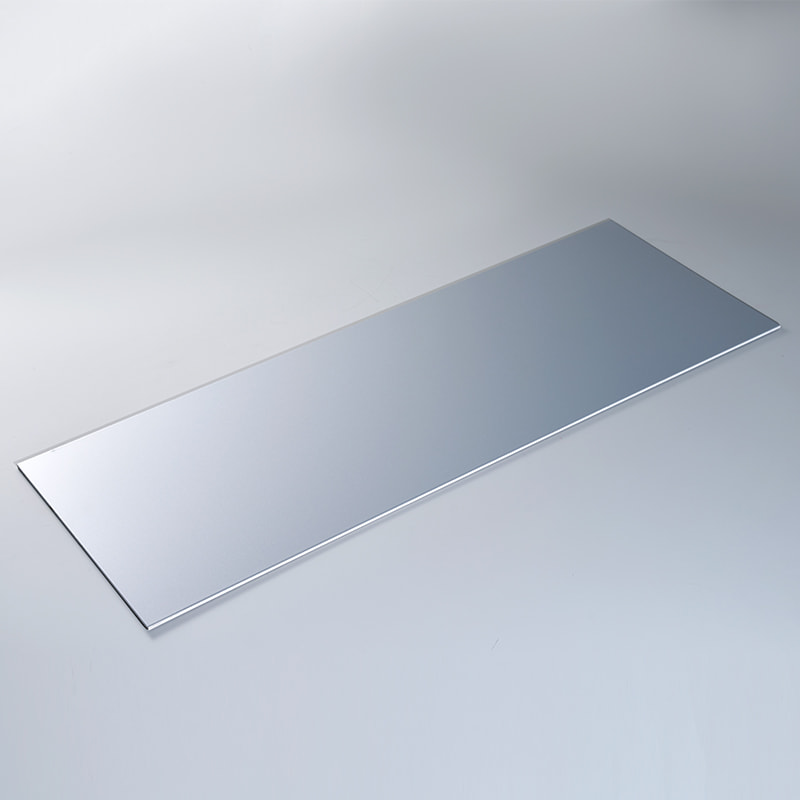
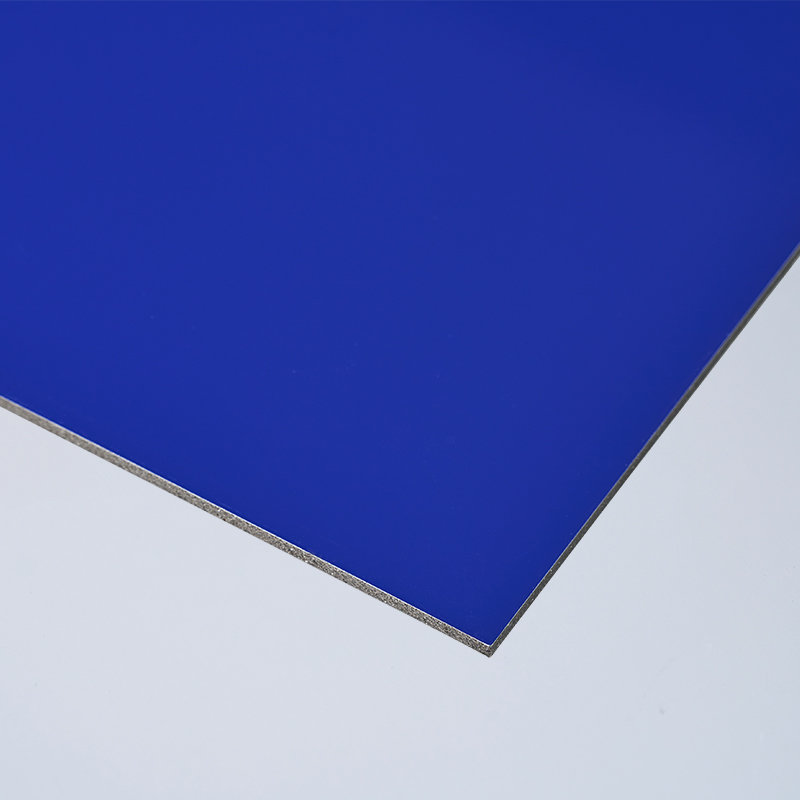
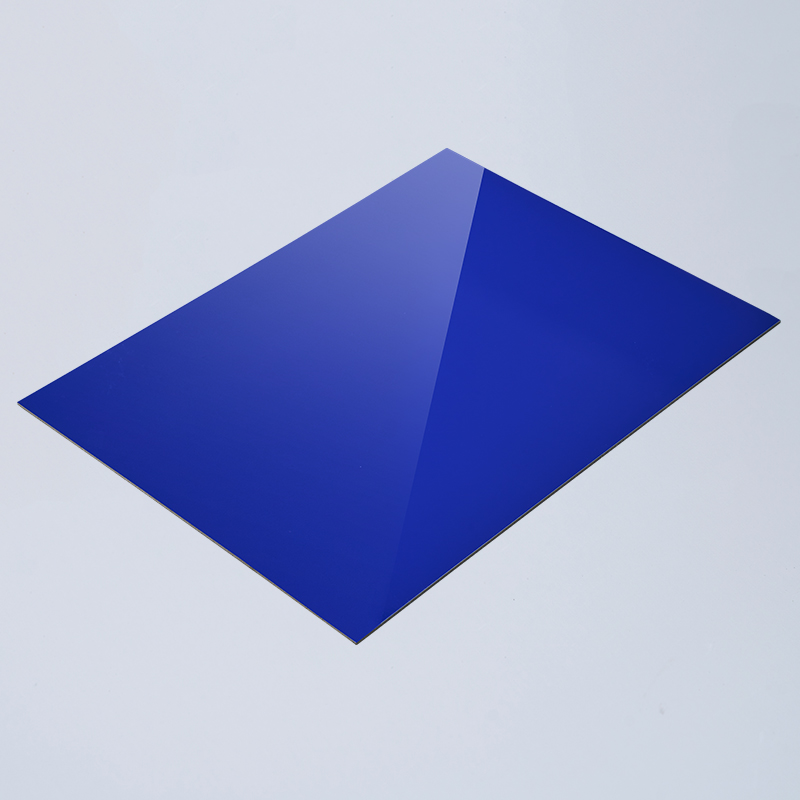
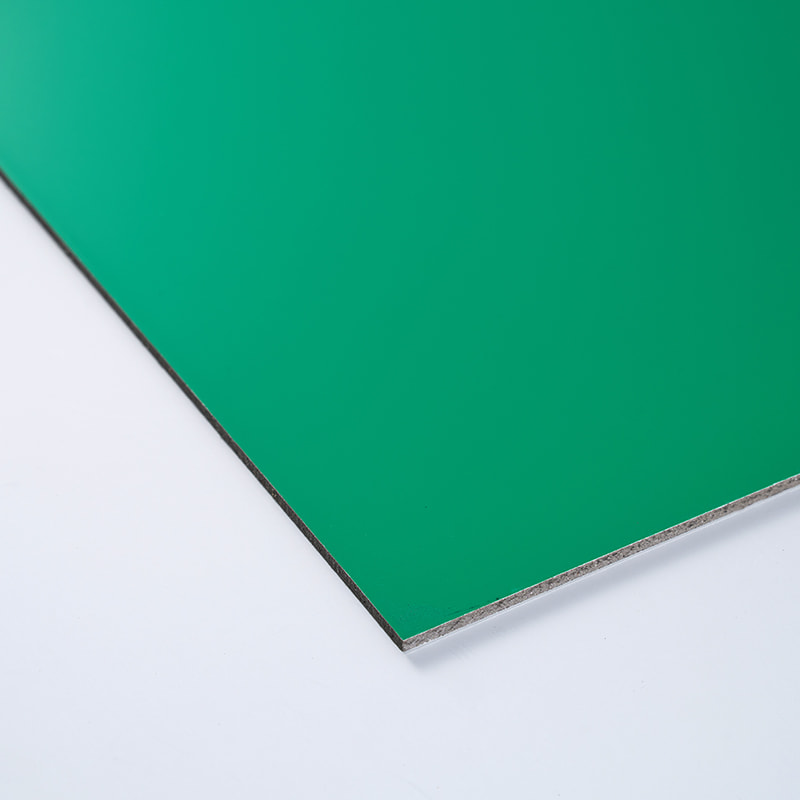
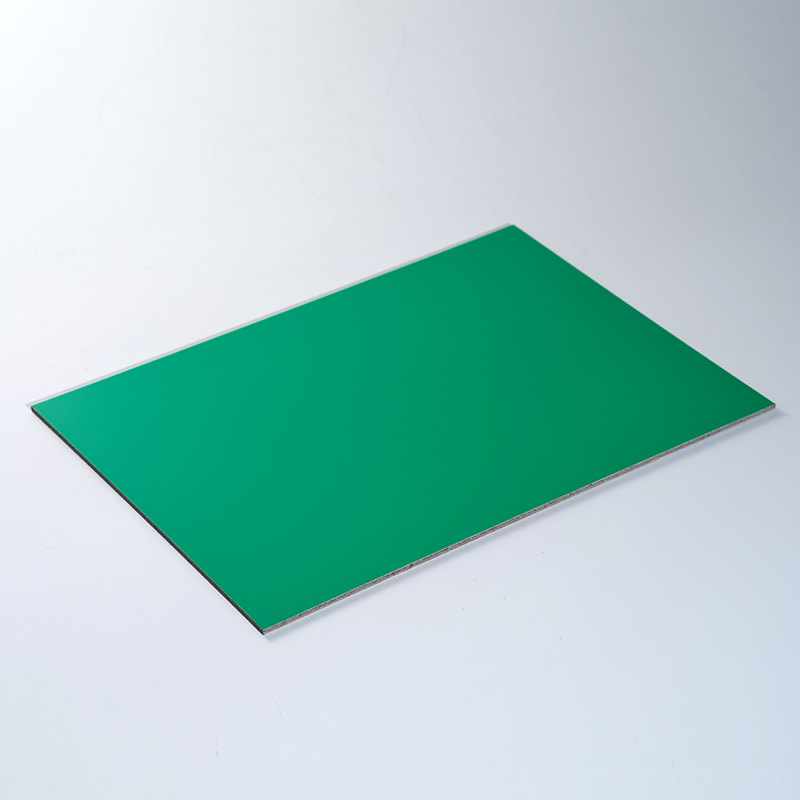
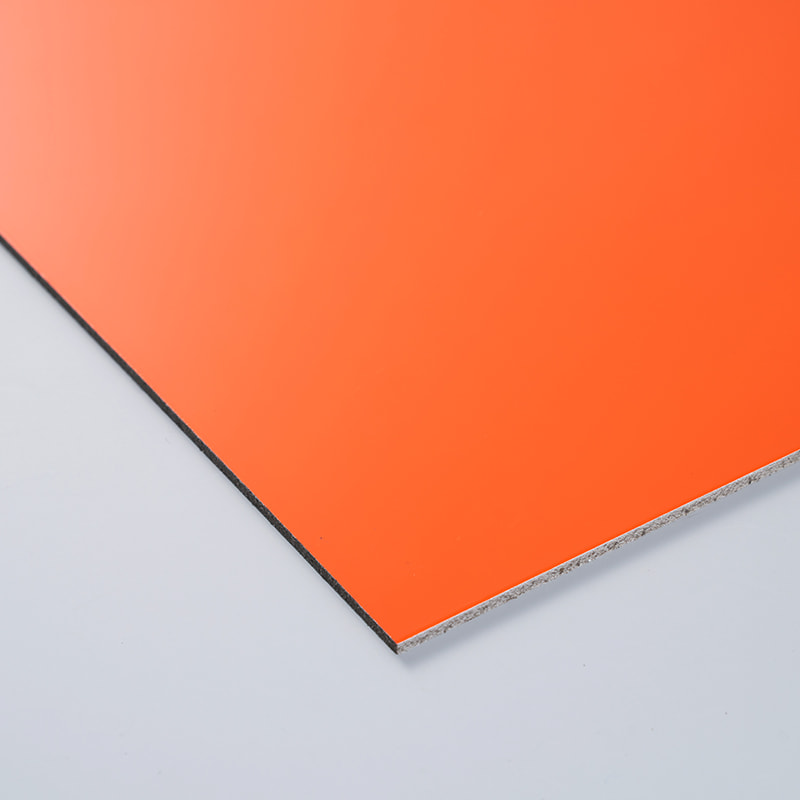
Exterior aluminum composite panels are available with a range of surface appearances. Solid colors are commonly used when a consistent architectural appearance is required. Metallic finishes can create a reflective visual effect and may suit contemporary building designs.
Matte finishes provide a softer appearance with reduced surface reflection. Gloss finishes provide a brighter visual effect and can be selected for specific facade concepts.
Brushed finishes feature directional surface lines. They can be used when a metal inspired appearance is required. Wood grain finishes offer another decorative option for projects that require a natural material appearance without using solid wood panels.
Stone and marble patterns can also be applied to composite panels. These surfaces can create decorative wall effects while allowing designers to work with lightweight panel systems.
Exterior Wall Applications
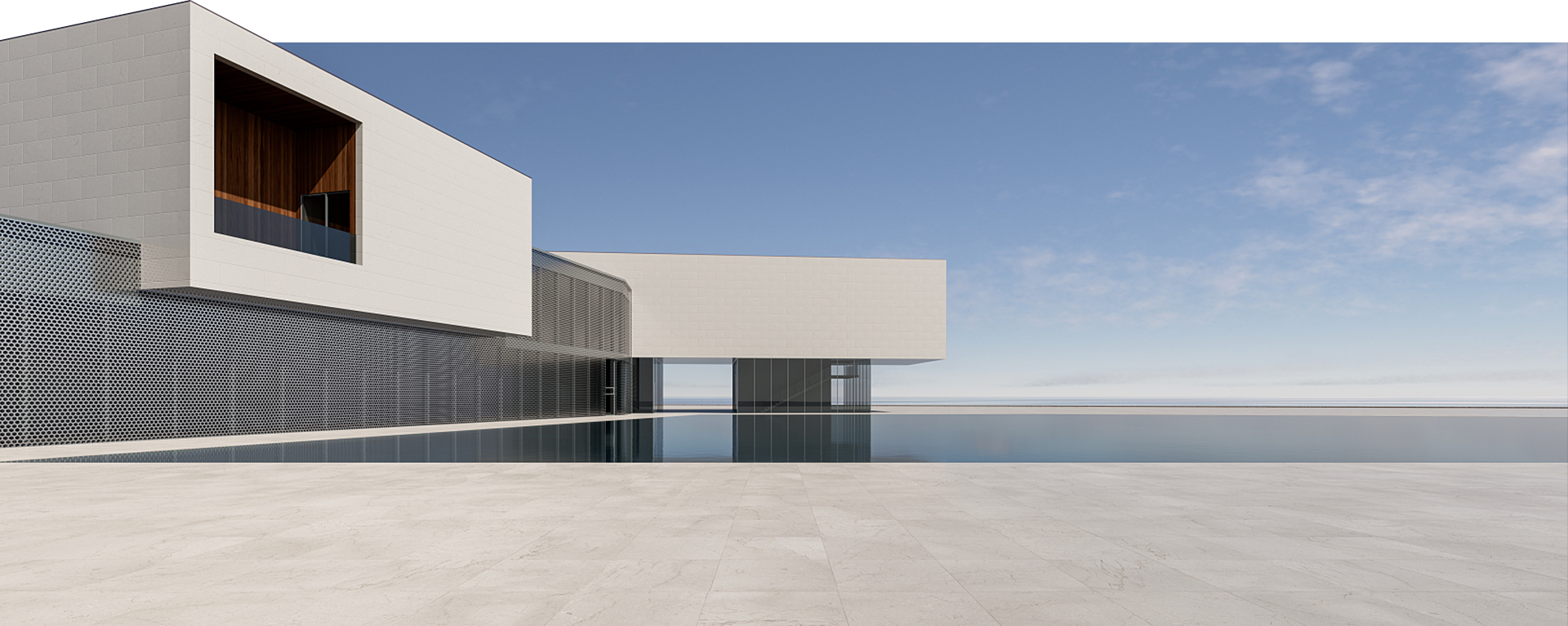
Aluminum Composite Panel Finishes can be used across various architectural areas. Building facades are a common application because the panel surface becomes part of the visual identity of the structure.
Commercial buildings may use solid, metallic, or textured finishes to create a coordinated facade. Retail spaces can use decorative surfaces around entrances, display areas, and exterior walls.
Office buildings may combine several finishes to create visual sections across different parts of the facade. Residential architecture can also use wood grain, stone, or solid colors to complement other exterior materials.
Canopies, entrance structures, and selected architectural details can also use aluminum composite panels when the panel specification suits the intended environment.
Weather Exposure Considerations
Exterior panels are exposed to sunlight, rain, humidity, dust, and changing temperatures. These conditions can influence the appearance and maintenance requirements of the surface.
UV exposure is an important consideration for facade projects. The coating system should correspond with the expected outdoor environment.
Moisture can also affect the cleanliness of a facade. Rainwater may carry dust and pollutants onto the surface, creating visible marks over time.
Temperature changes can affect building materials and their installation systems. Panel selection should therefore consider the complete facade structure rather than the finish alone.
Matching Finishes With Architectural Styles
Modern buildings often use metallic, solid, matte, or gloss finishes. These surfaces can complement glass, concrete, and other contemporary materials.
Projects with a natural visual concept may use wood grain finishes. The grain direction should be considered during panel installation so that adjacent panels maintain a coordinated appearance.
Stone and marble patterns can suit decorative facades and entrance areas. The pattern scale should correspond with the panel layout and viewing distance.
For industrial architectural concepts, brushed and metallic surfaces can create a technical appearance while maintaining a clean panel structure.
Light Reflection and Panel Orientation
Surface reflection can change according to the position of the sun and the viewing angle. Metallic and reflective finishes may appear different under direct and indirect light.
Brushed surfaces have another consideration because their grain direction can be visible across the facade. Panels should therefore be arranged according to the planned grain direction.
Color consistency also matters when several panels are installed together. Physical samples can help designers and purchasing teams review the actual surface before confirming the finish.
Maintenance and Cleaning
Exterior panel surfaces collect dust and environmental particles over time. Regular cleaning can help maintain the intended appearance.
Cleaning methods should correspond with the coating and surface type. Harsh chemicals or abrasive materials may damage the finish.
Matte, metallic, brushed, and patterned surfaces may each require different cleaning considerations. Project maintenance teams should follow the panel care instructions supplied for the selected product.
Selecting a Finish for an Exterior Project
A suitable Aluminum Composite Panel Finish should be selected according to the building design, outdoor exposure, coating system, color, texture, installation method, and maintenance plan.
Reviewing physical samples is useful when appearance is important. Designers can compare color, gloss, texture, and pattern before installation.
By considering both visual and practical requirements, project teams can develop a facade finish that fits the architectural concept and the expected working environment.
-
 B1 Fire Rated Aluminum Composite Panel
 -
 Light Box Signage Aluminum Composite Panel
 -
 General Signage Aluminum Composite Panel
 -
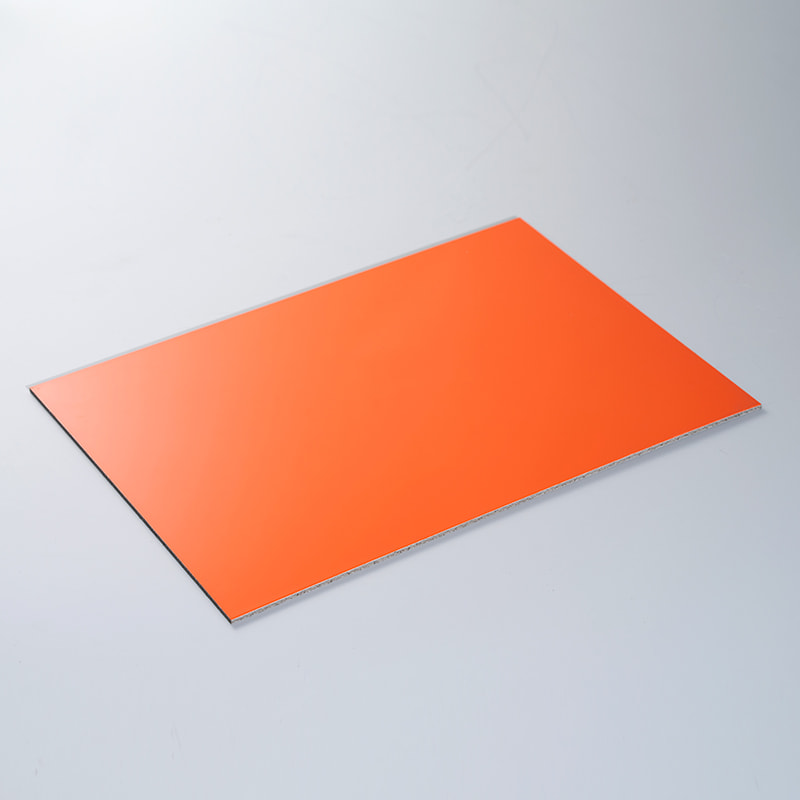 PE Aluminum Composite Panel
 -
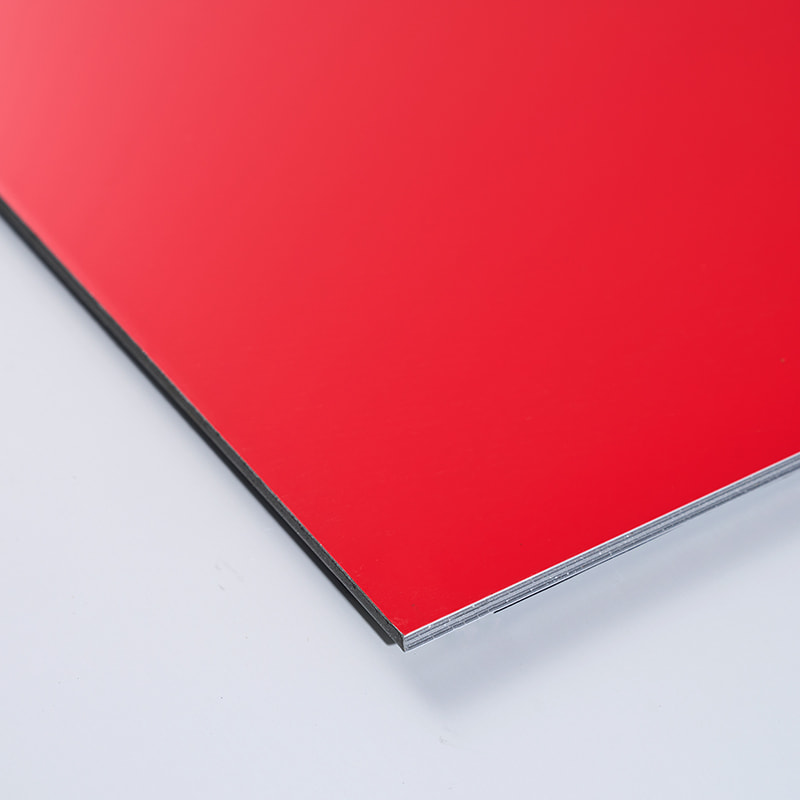
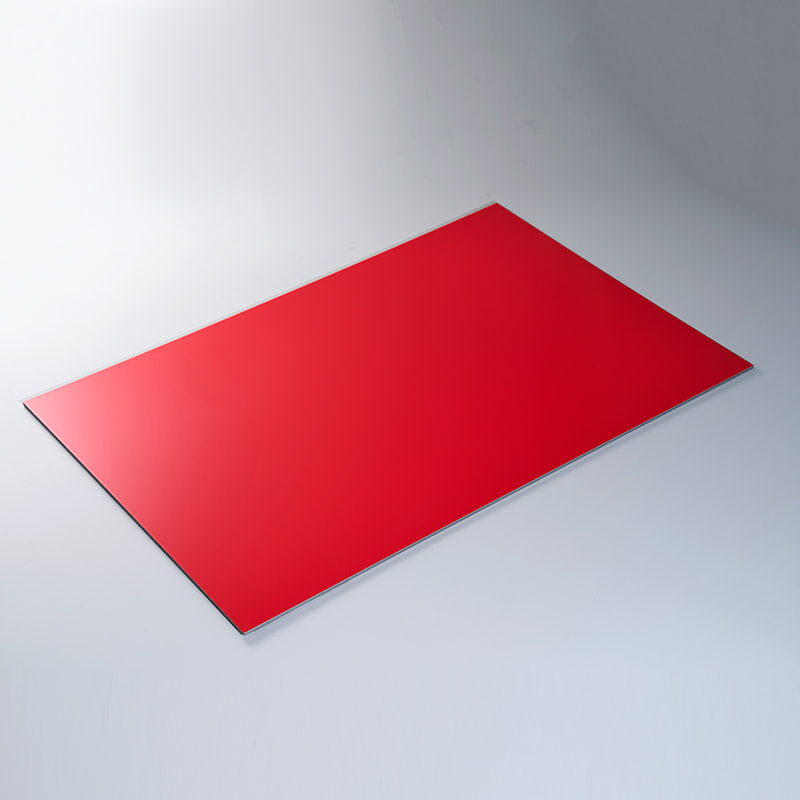 PVDF Aluminum Composite Panel
 -
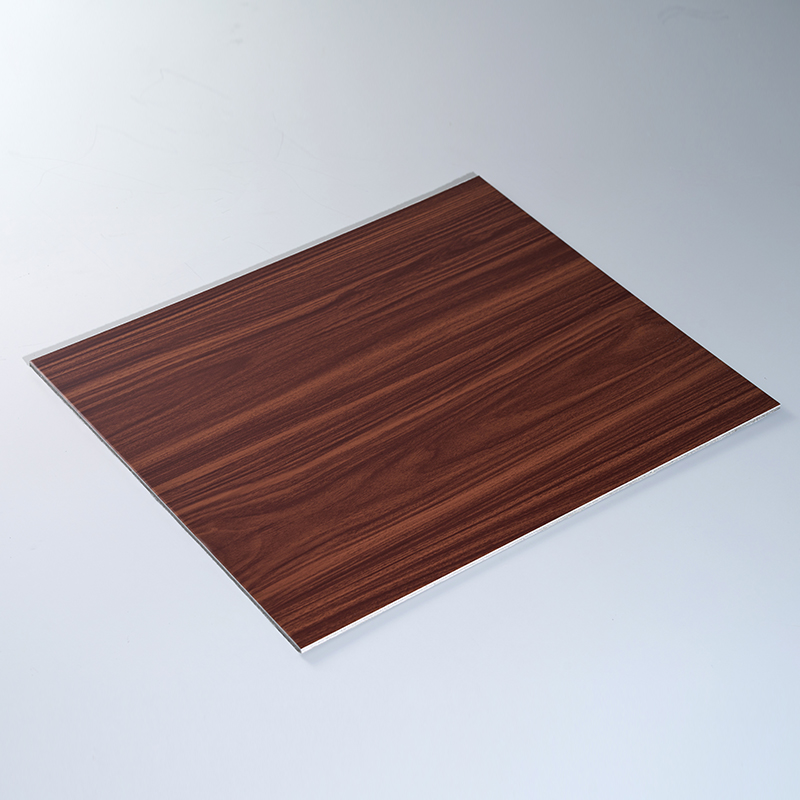 Wood-Grain Aluminum Composite Panel
 -
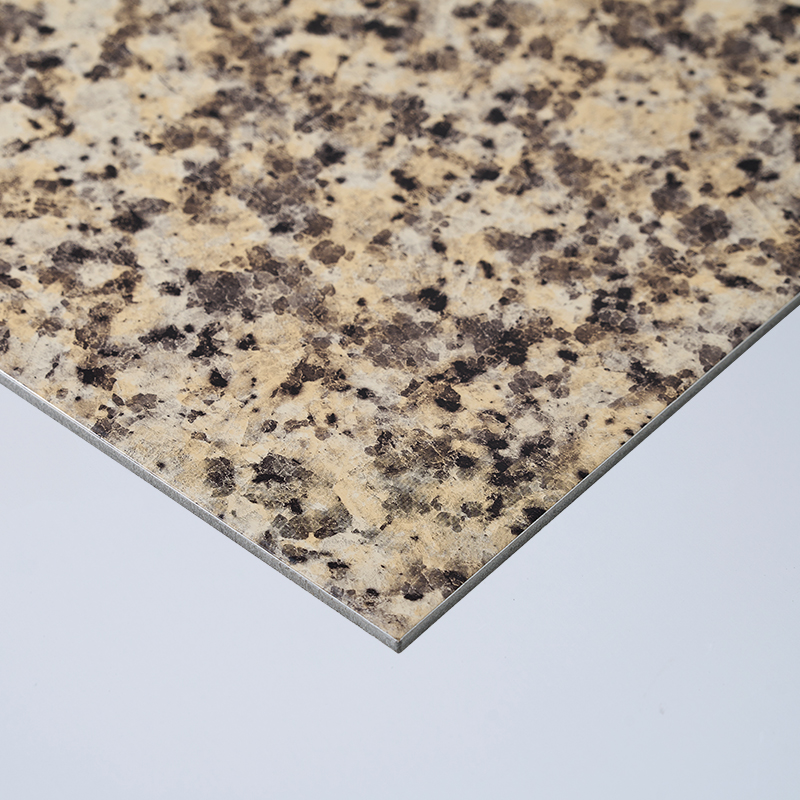
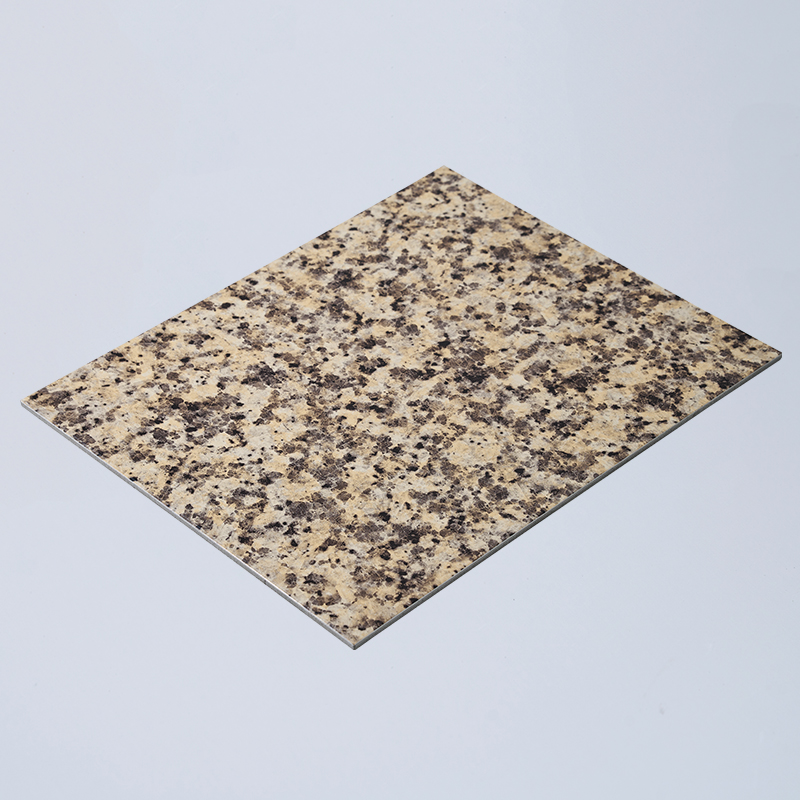 Granite Finish Aluminum Composite Panel
 -
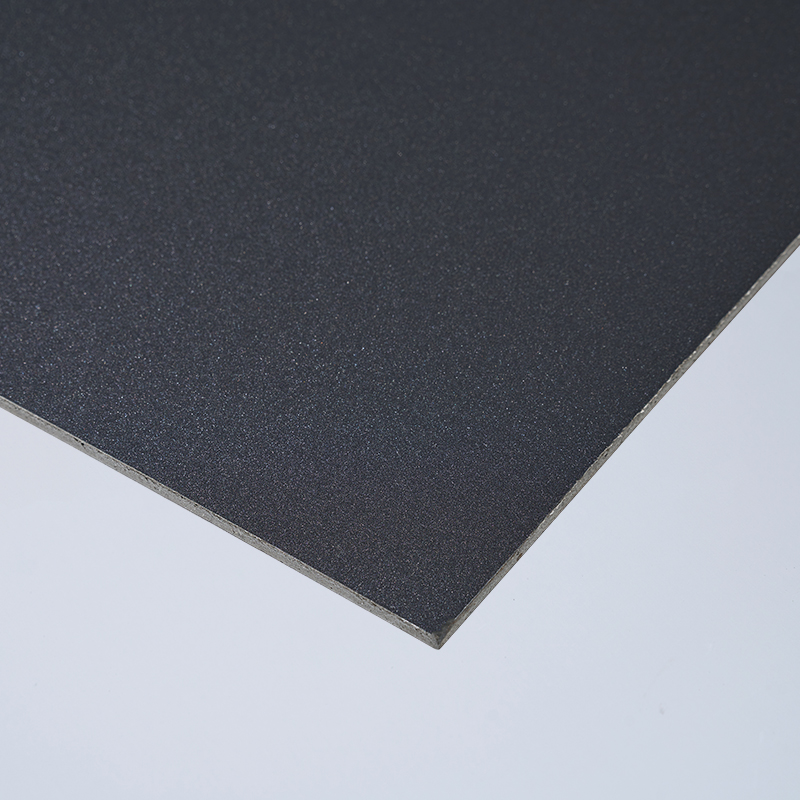
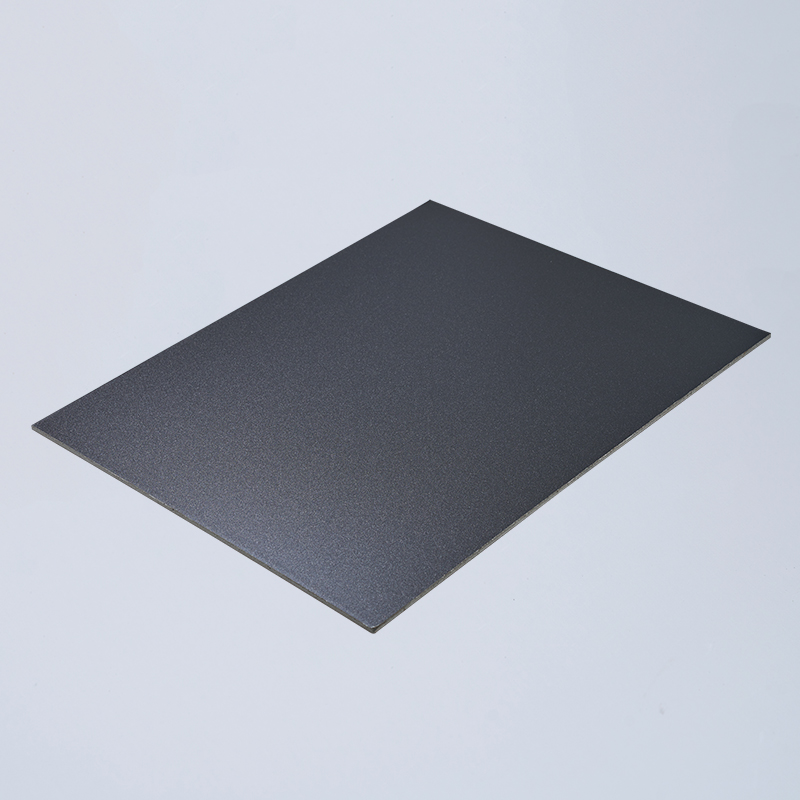 Pearlescent Aluminum Composite Panel
 -
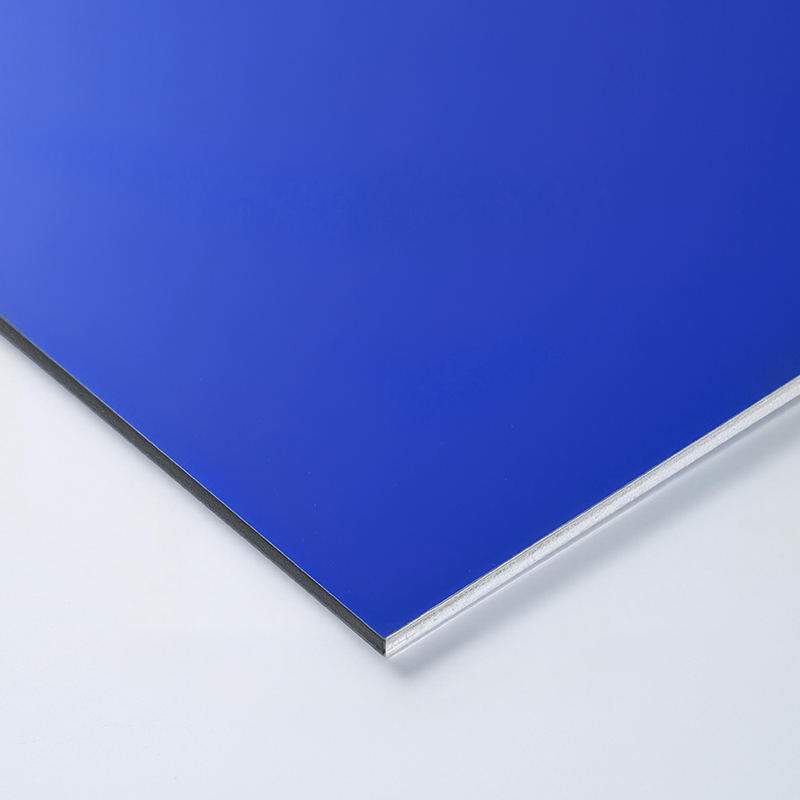
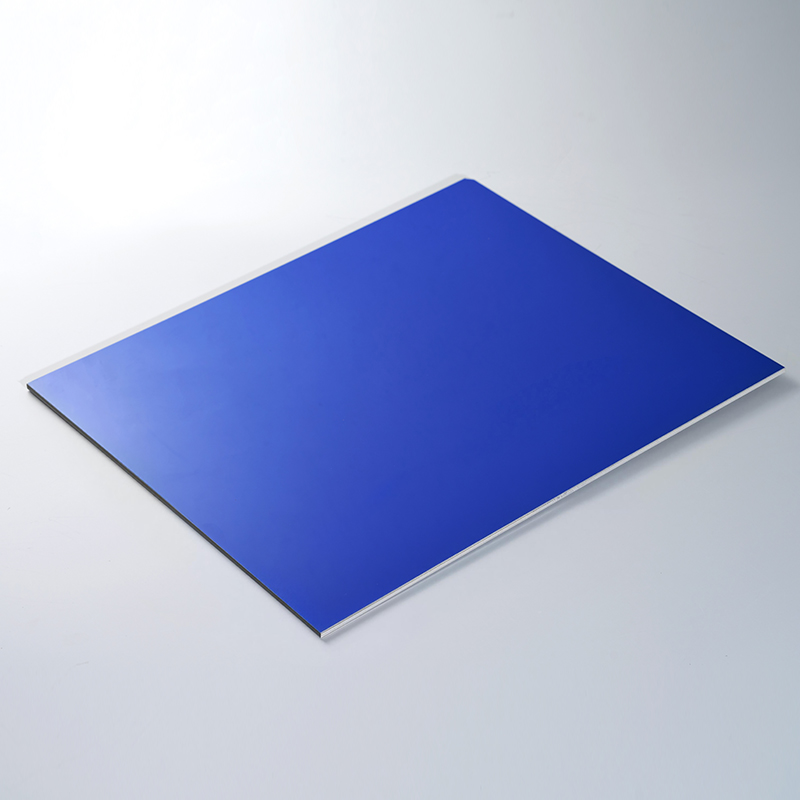 Matt Finish Aluminum Composite Panel
As an aluminum composite panel factory, we fully support personalized customization in terms of specifications, patterns, textures, fire ratings, and shapes.

Copyright © Taizhou Jiaxin New Material Technology Co., Ltd.
All Rights Reserved.
