 English
 中文简体
中文简体 Español
 عربى
عربى русский
What are the construction methods for aluminum composite panels for exterior walls?
1. Adhesion Process: With plywood as a base: This method is typically used for smaller areas or specific needs of exterior wall decoration. Plywood is first installed on the wall as a base, and then a specific adhesive is used to adhere the aluminum composite panel (ACP) to the plywood.
2. Dry Hanging Method: With keel support: This is the mainstream method for large-area exterior wall ACP installation. First, a keel is installed on the wall according to design requirements, and then the ACP is fixed to the keel using hangers, bolts, etc. Component welding: For large construction areas, the keel is usually welded in components to ensure the verticality and flatness of the facade. A plumb line is used for alignment during welding. Fixing method: Although pre-adhesion with double-sided tape or structural adhesive is possible, this method usually needs to be used in conjunction with a keel to ensure the stability of the ACP and avoid the risk of detachment due to wind pressure.
3. Gap Treatment: Gap design: For aesthetics and to prevent deformation of the panels due to thermal expansion and contraction, it is recommended to leave gaps between the ACP panels. It is generally recommended to leave more vertical seams and fewer horizontal seams, extending a small portion on the side to conceal the gaps and improve the overall aesthetics.
The above construction methods should be selected based on specific project requirements, wall conditions, and the specifications and quality of the aluminum composite panels to ensure construction quality and safety.
-
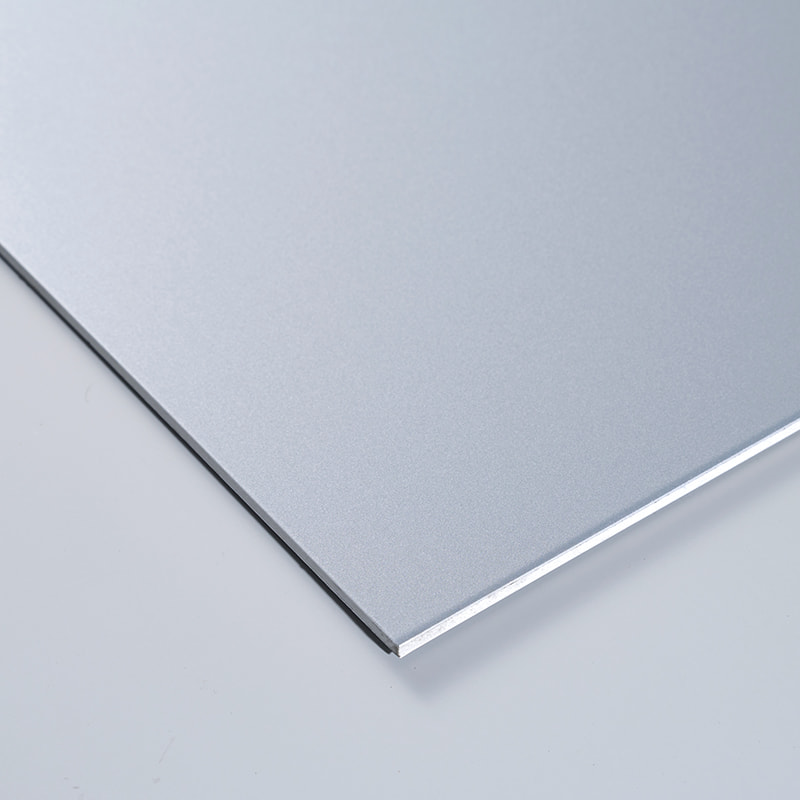
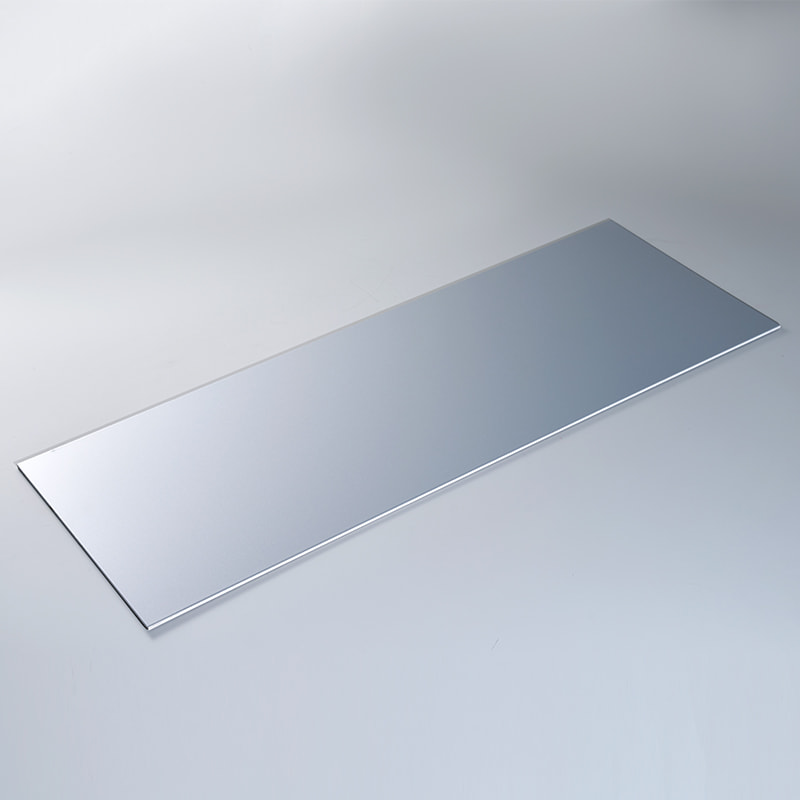 B1 Fire Rated Aluminum Composite Panel
 -
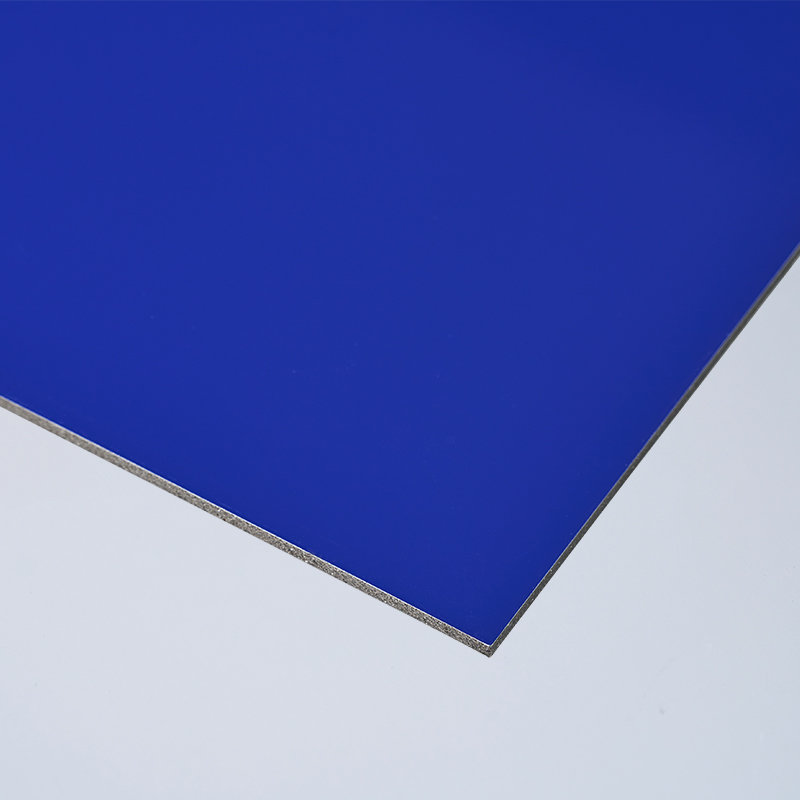
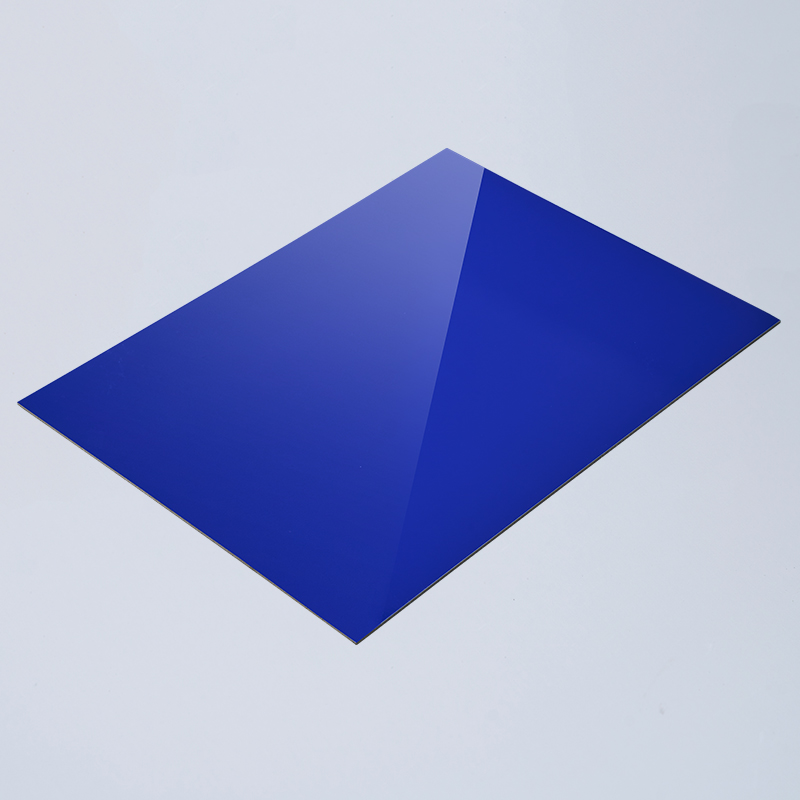 Light Box Signage Aluminum Composite Panel
 -
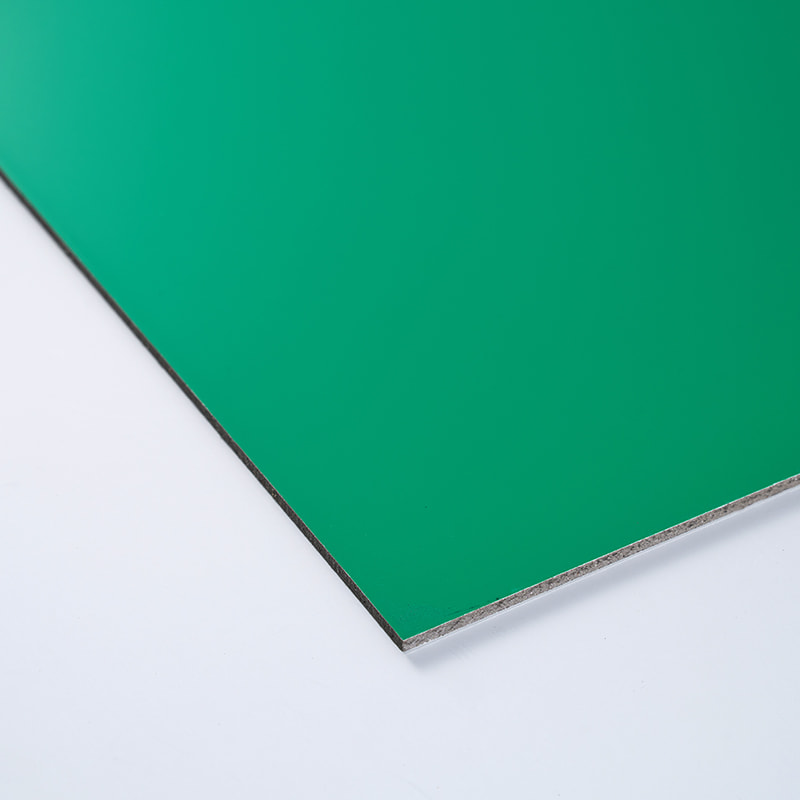
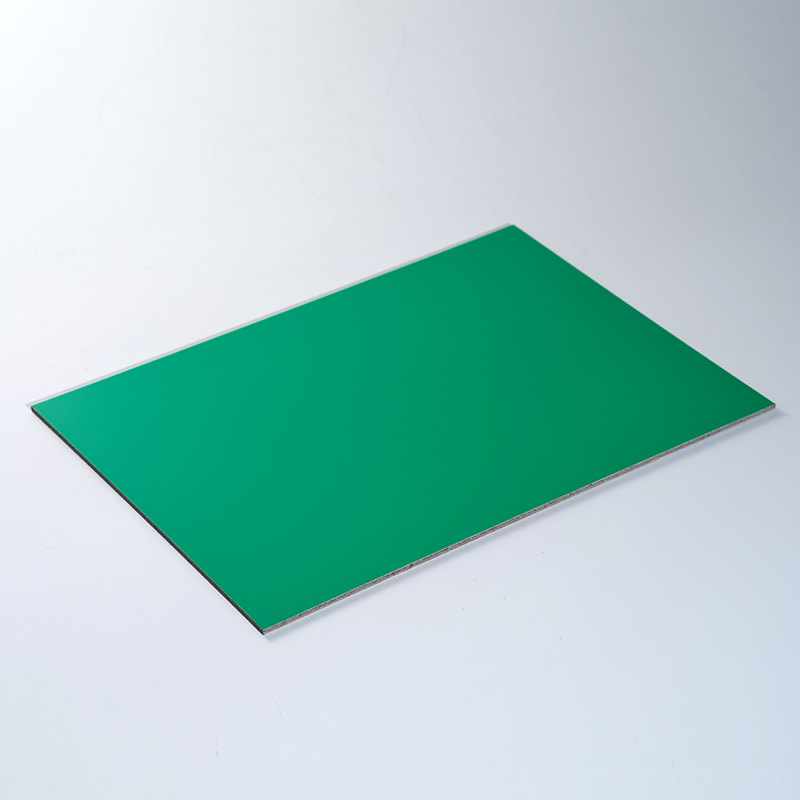 General Signage Aluminum Composite Panel
 -
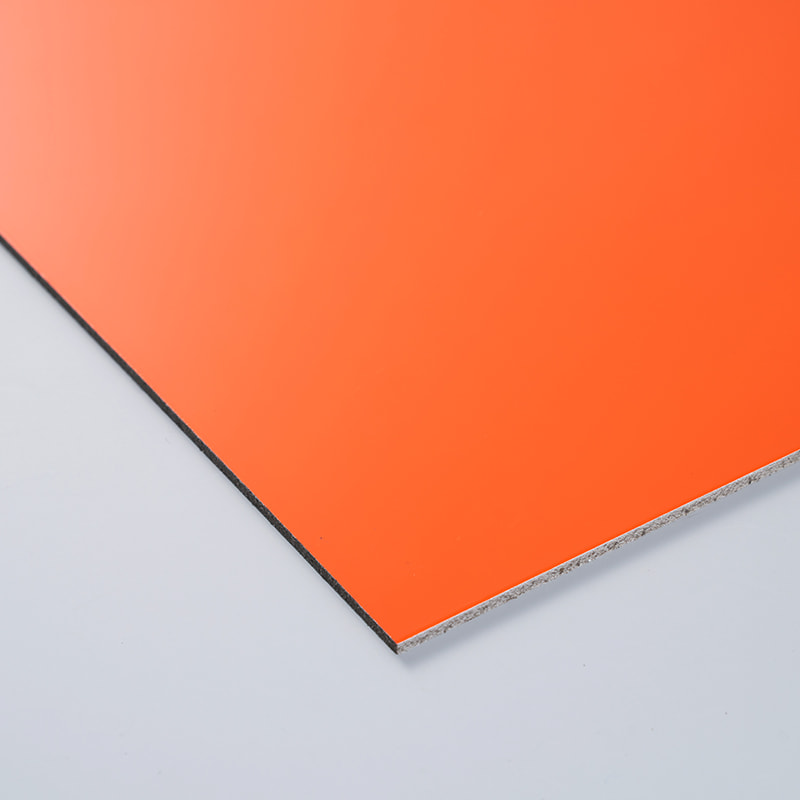
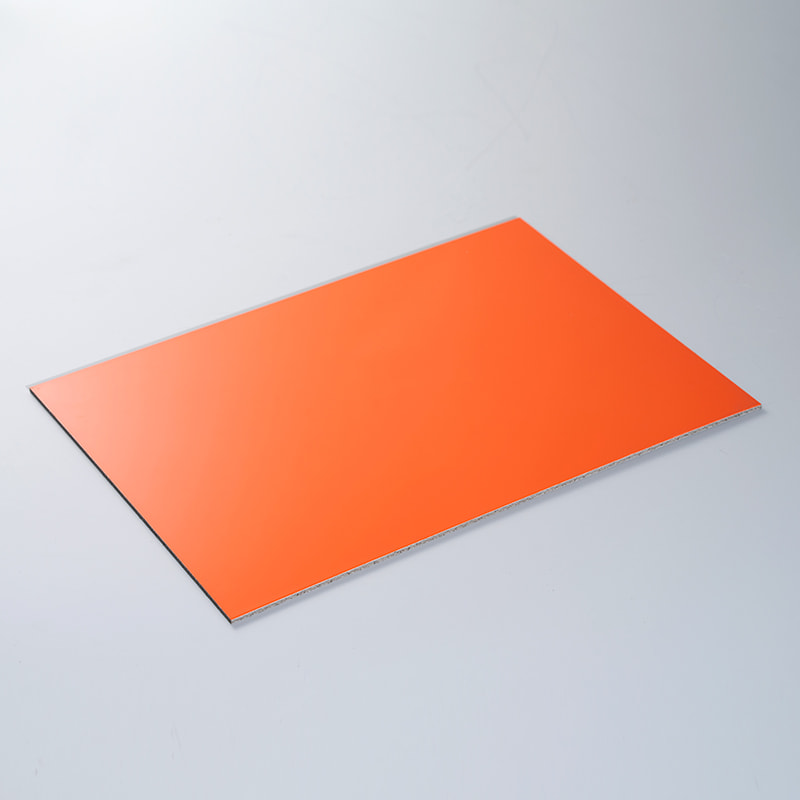 PE Aluminum Composite Panel
 -
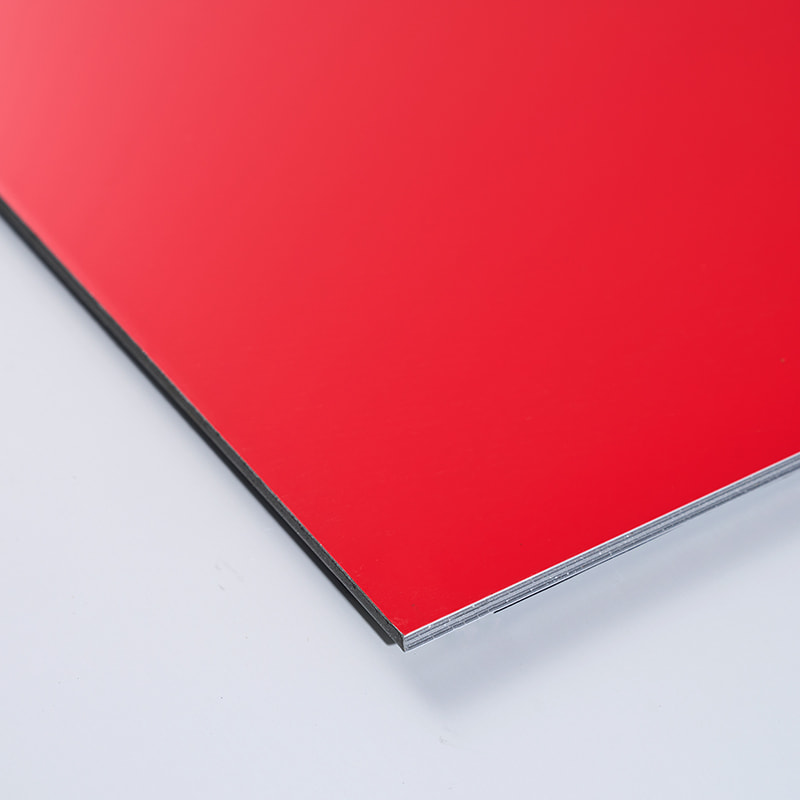
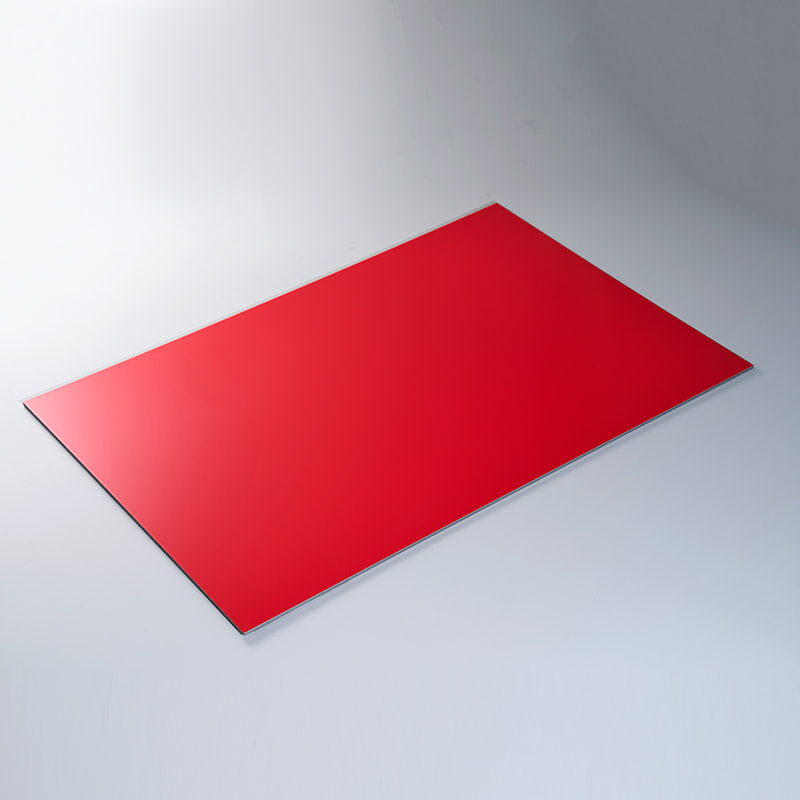 PVDF Aluminum Composite Panel
 -
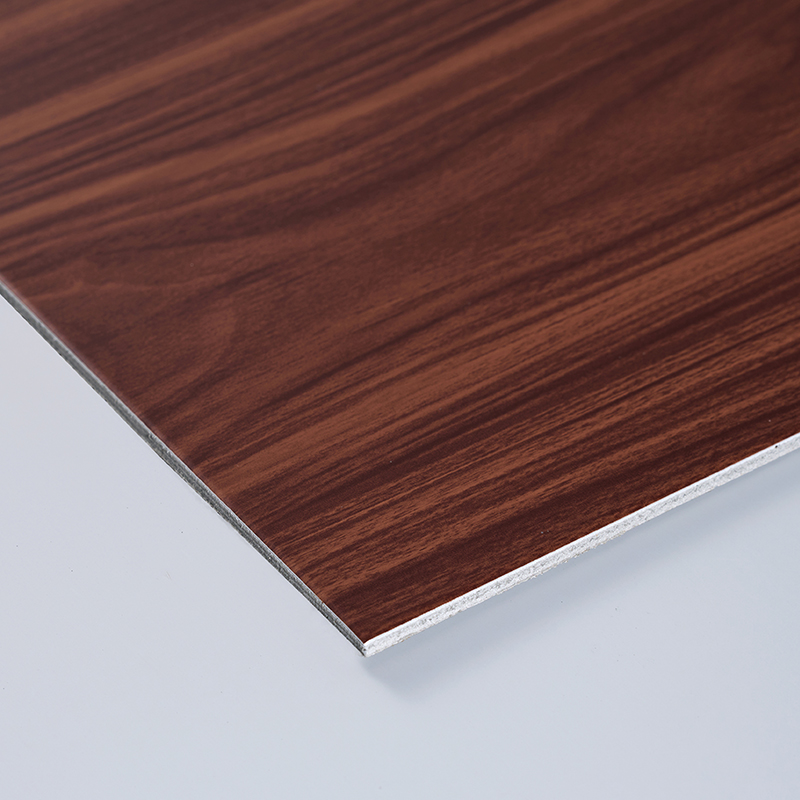
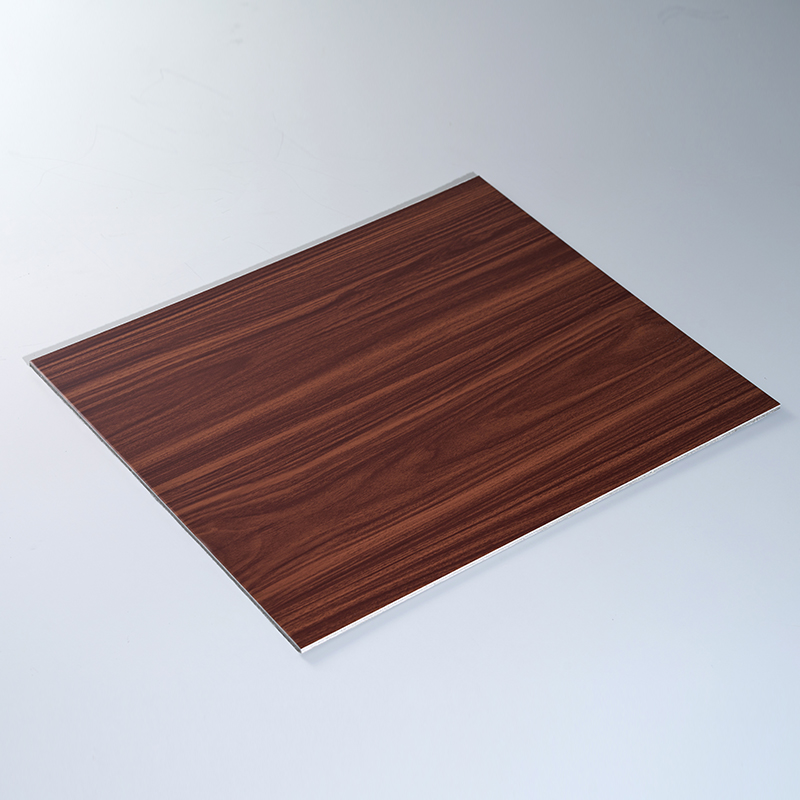 Wood-Grain Aluminum Composite Panel
 -
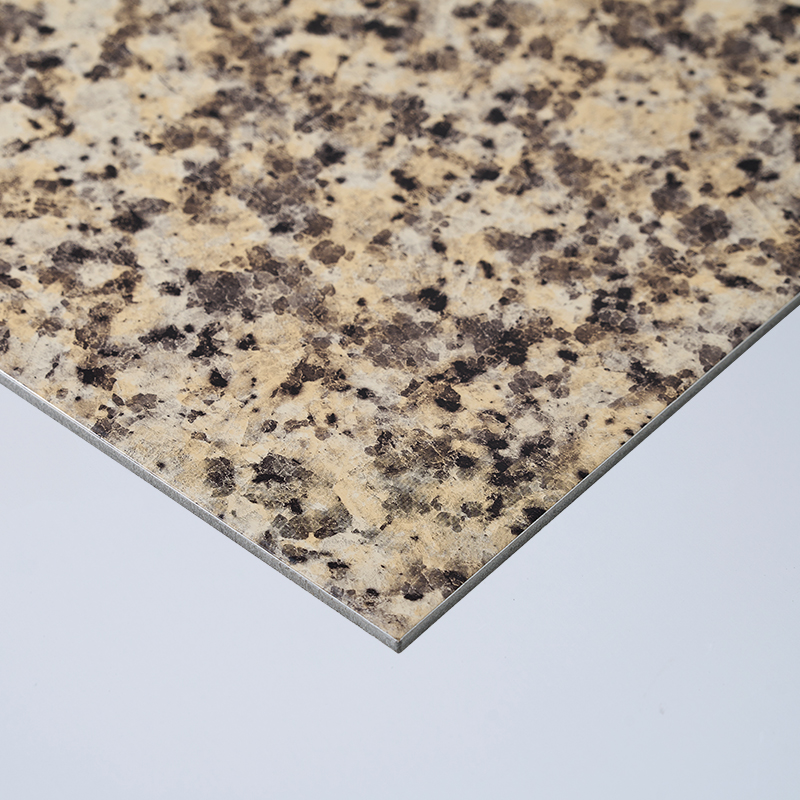
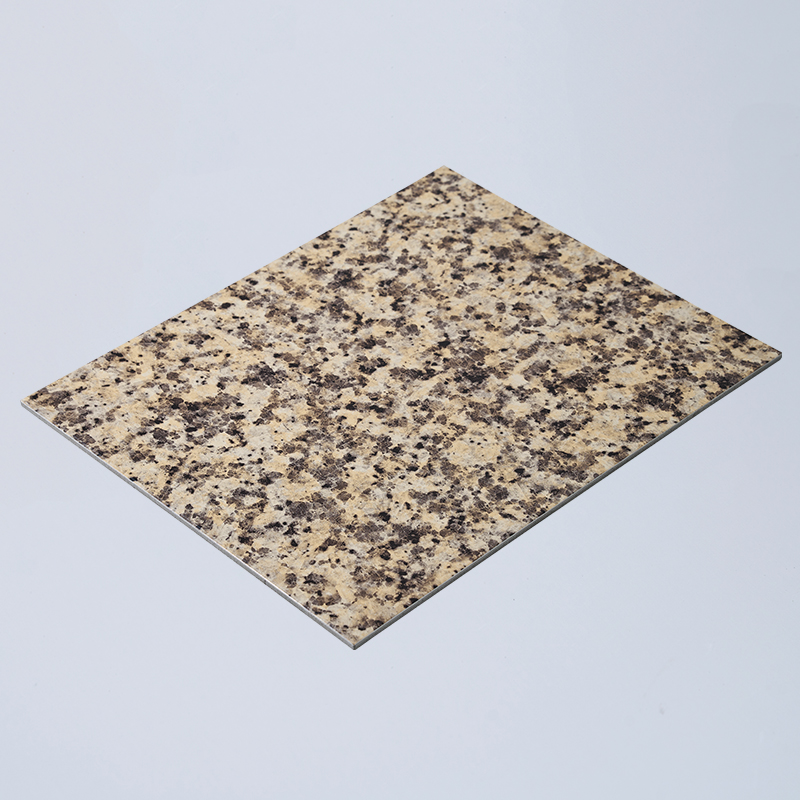 Granite Finish Aluminum Composite Panel
 -
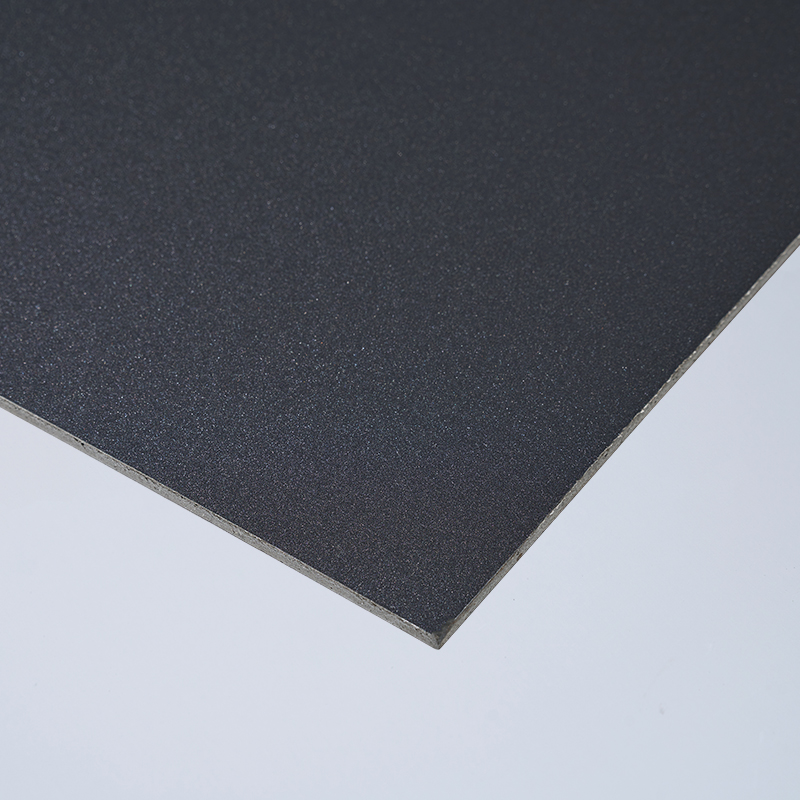
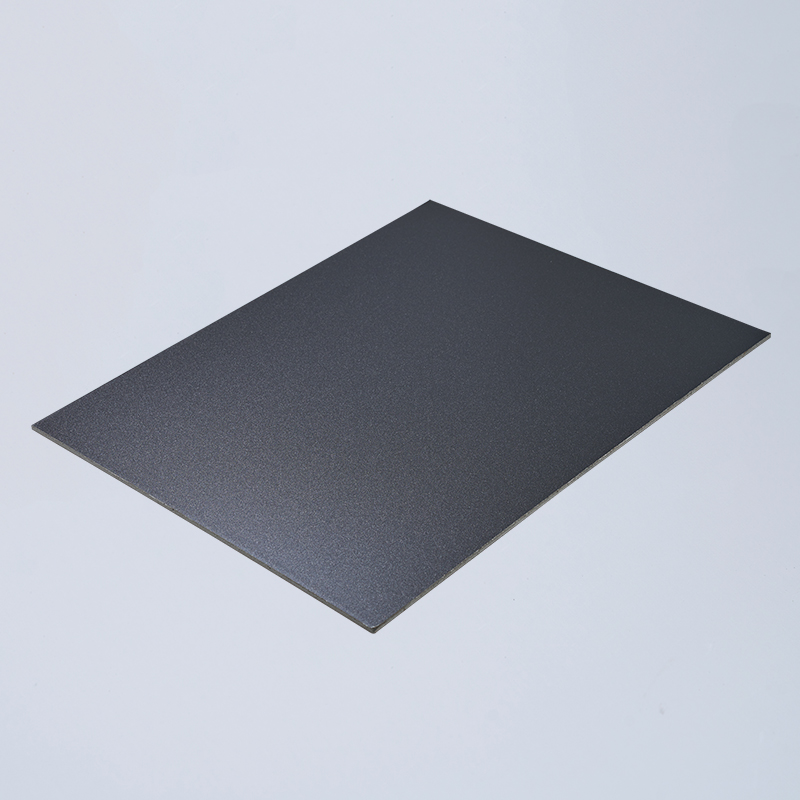 Pearlescent Aluminum Composite Panel
 -
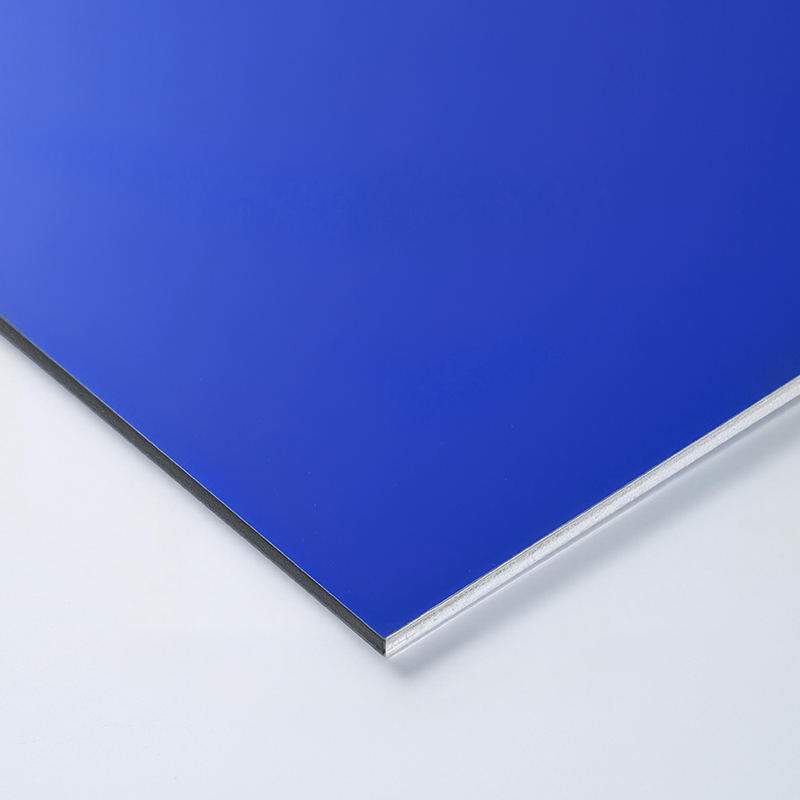
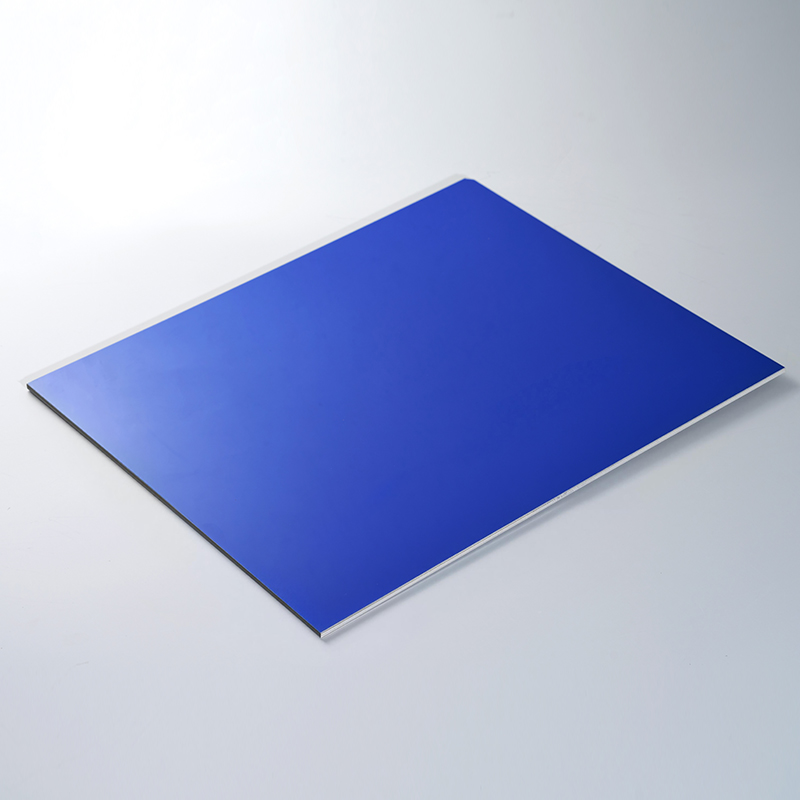 Matt Finish Aluminum Composite Panel
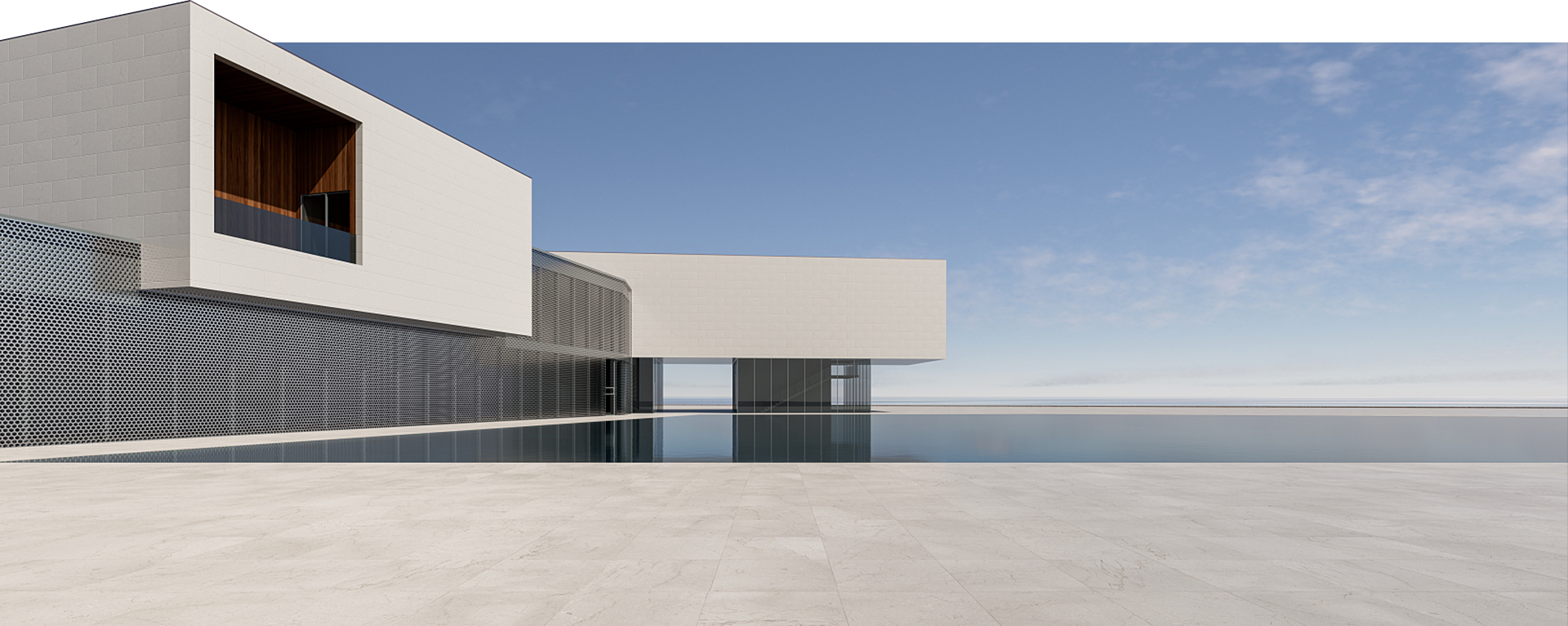
As an aluminum composite panel factory, we fully support personalized customization in terms of specifications, patterns, textures, fire ratings, and shapes.

Copyright © Taizhou Jiaxin New Material Technology Co., Ltd.
All Rights Reserved.
