 English
 中文简体
中文简体 Español
 عربى
عربى русский
The application of aluminum composite panels continues to expand
Aluminum composite panels, with their lightweight, high strength, fire resistance, and excellent decorative properties, have seen their applications expand from traditional building decoration to industrial fields such as aerospace, new energy thermal management, and high-end rail transportation.
Core Application Areas Expansion
Aerospace and Defense Industry: Titanium/aluminum composite panels are widely used in the manufacture of aerospace vehicles. This material not only significantly reduces the weight of aircraft but also effectively prevents high-temperature ablation and environmental corrosion, meeting the stringent requirements of the defense industry for high-performance materials.
New Energy and Thermal Management Systems: In the fields of new energy vehicles, energy storage, and 5G communication base stations, 3003 brazed composite aluminum panels have become a core heat exchange material. With their lightweight and high thermal conductivity, they are gradually replacing traditional copper materials and are widely used in power battery liquid cooling plates, motor controller coolers, and air conditioner condensers, enabling precise temperature control and ensuring equipment safety.
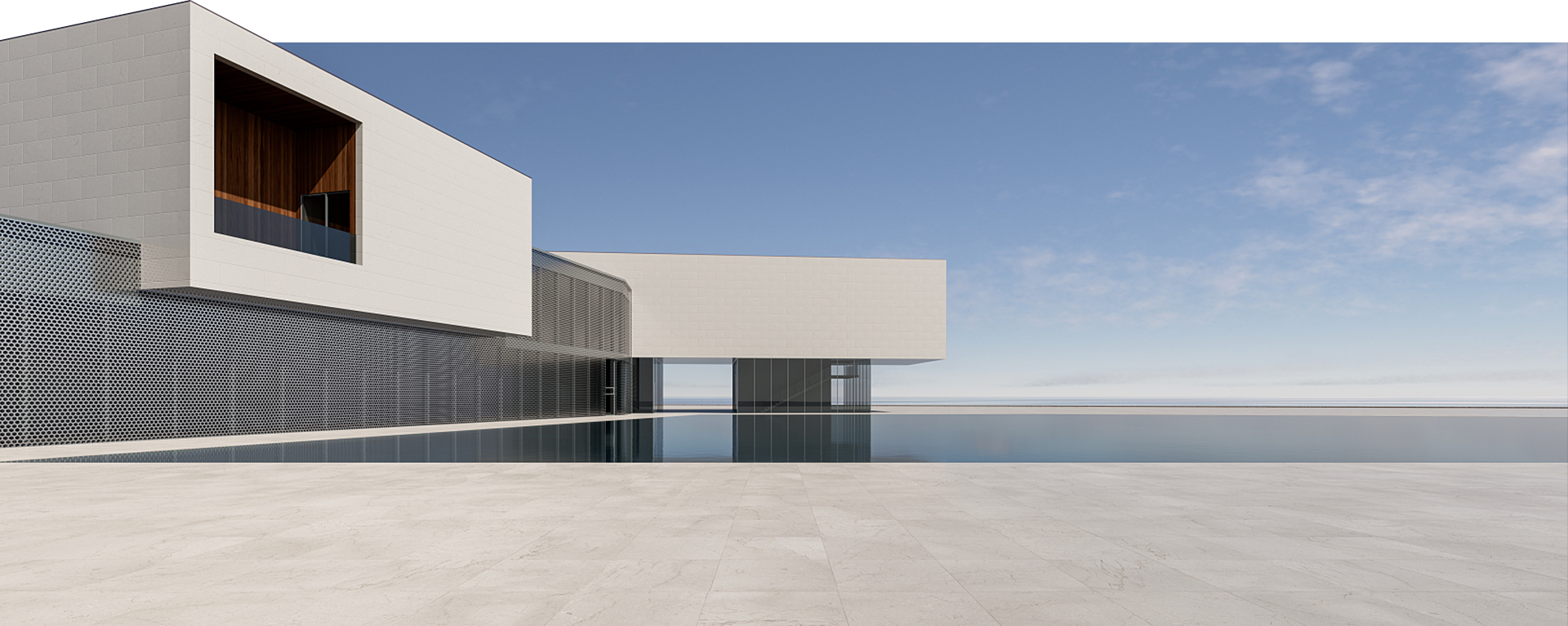
Building Decoration and Public Works: Fireproof aluminum composite panels (aluminum-plastic composite panels) are widely used in banks, hotels, airports, stadiums, and municipal engineering projects. Its A2 fire rating and diverse surface treatments (such as fluorocarbon coating and stone-like finish) make it a mainstream choice for building exteriors, interior wall panels, and ceilings, balancing structural stability and aesthetics.
Rail Transit and Interior Design: Aluminum honeycomb composite panels are expanding from traditional curtain walls into subways, high-speed rail carriages, medical clean rooms, and home decoration. Their sound insulation, heat insulation, and antibacterial self-cleaning functions make them a new growth area in damp spaces (such as kitchens and bathrooms) and high-end vehicle interiors.
Driven by the lightweighting upgrade in manufacturing and the green building trend, the market space for aluminum composite panels in high-end electronic heat dissipation, irregularly shaped building curtain walls, and functional interior decoration will continue to expand.
-
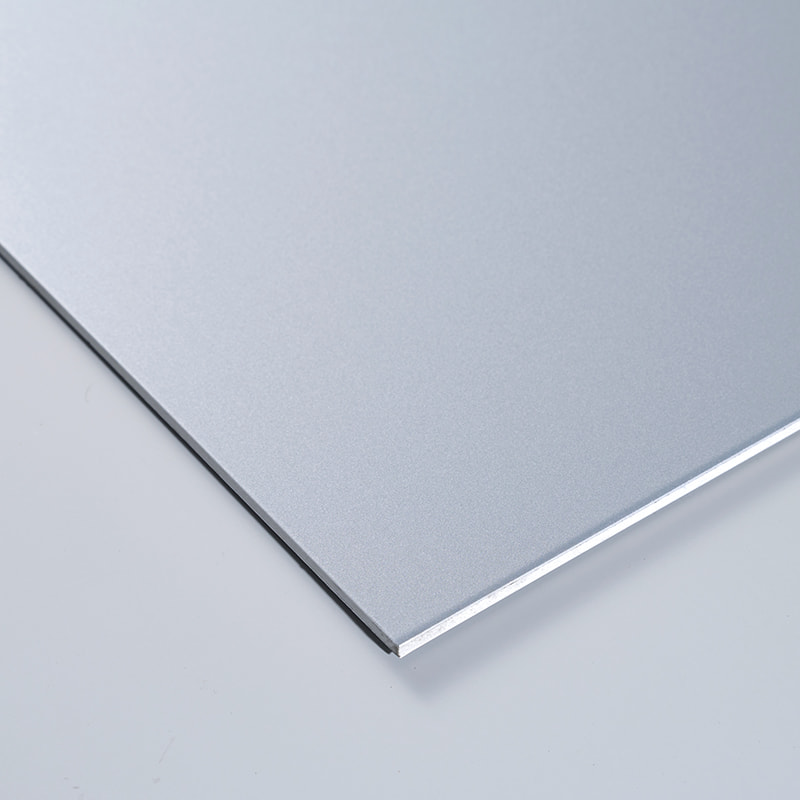
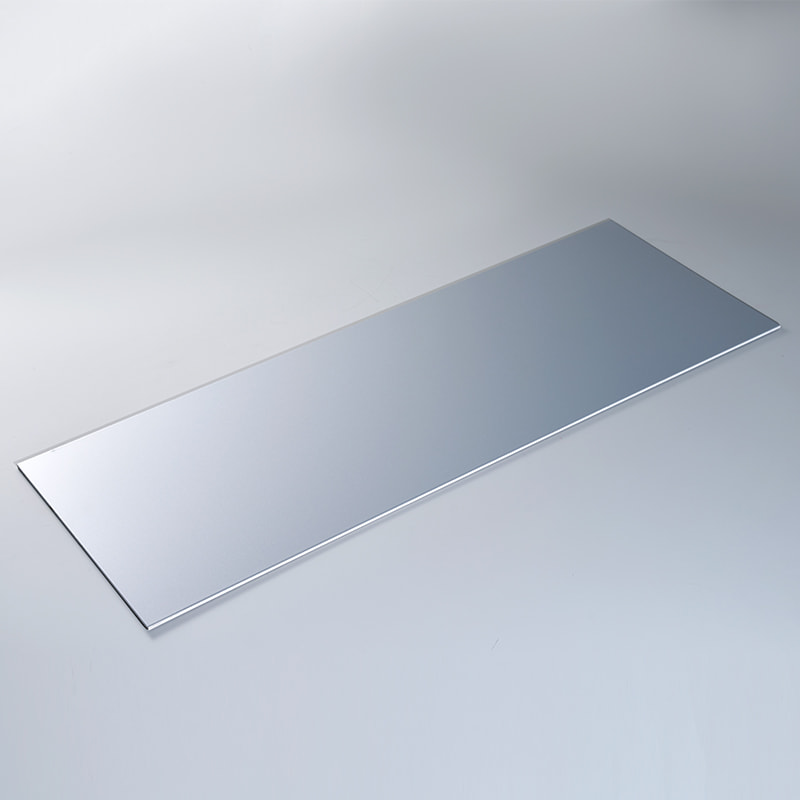 B1 Fire Rated Aluminum Composite Panel
 -
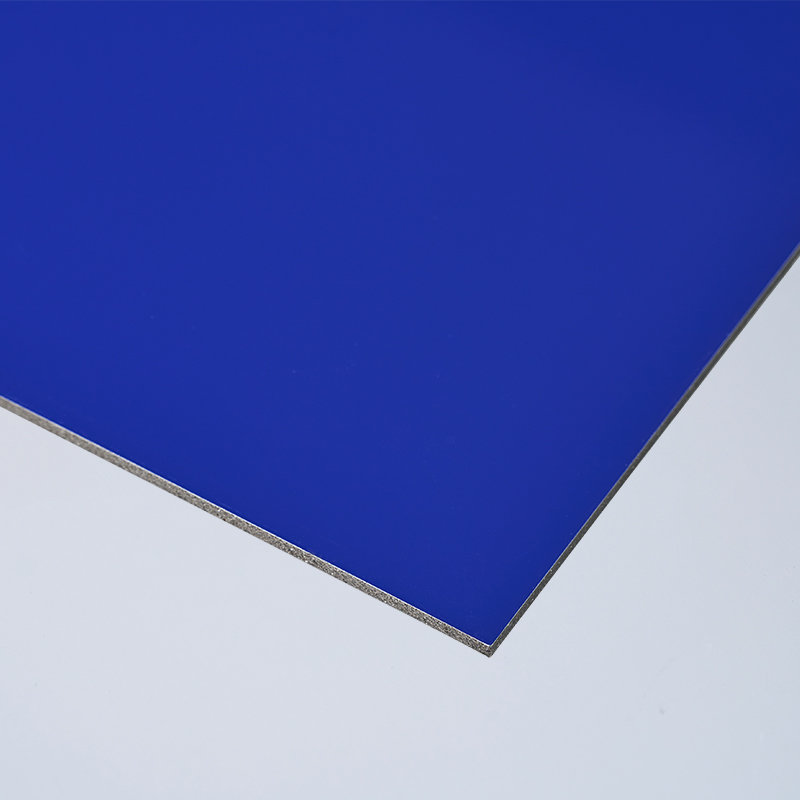
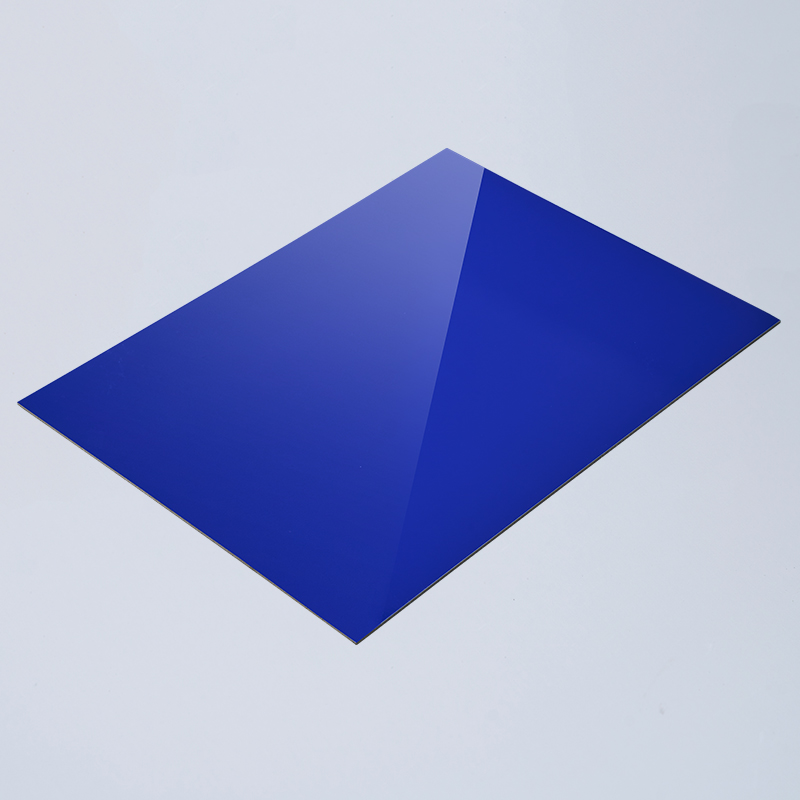 Light Box Signage Aluminum Composite Panel
 -
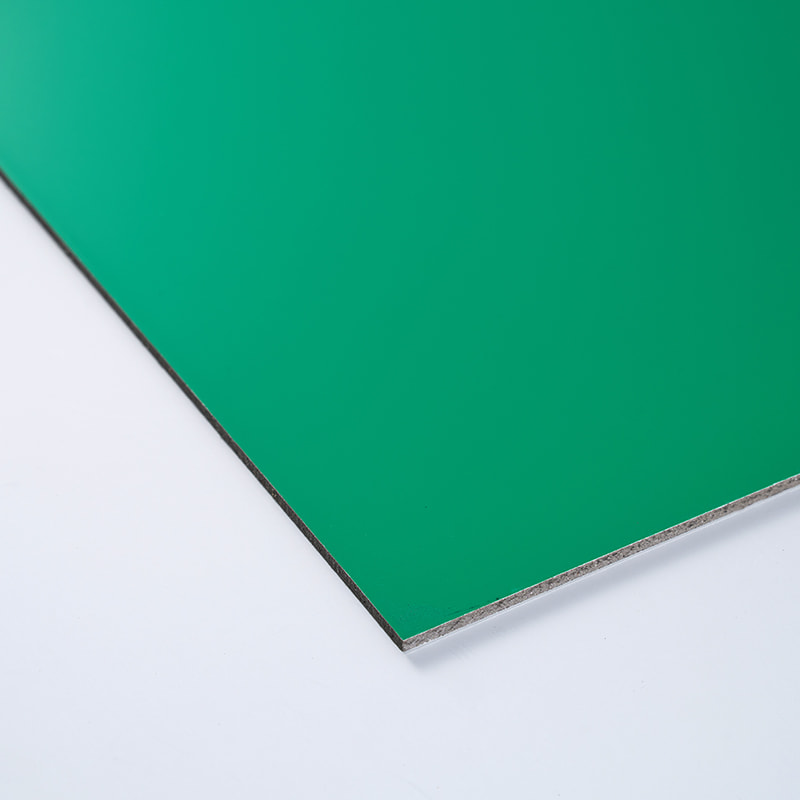
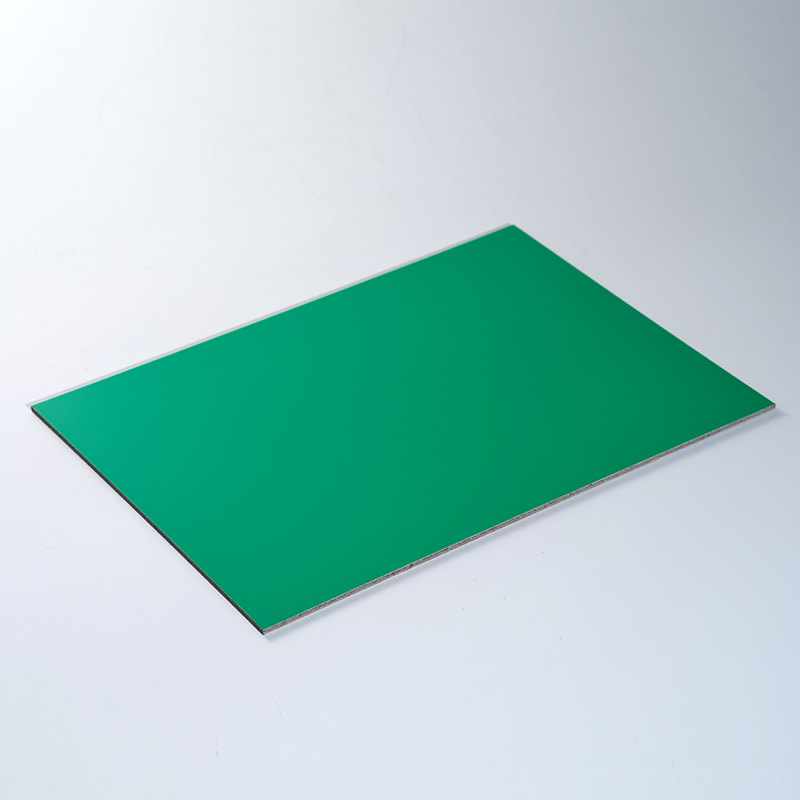 General Signage Aluminum Composite Panel
 -
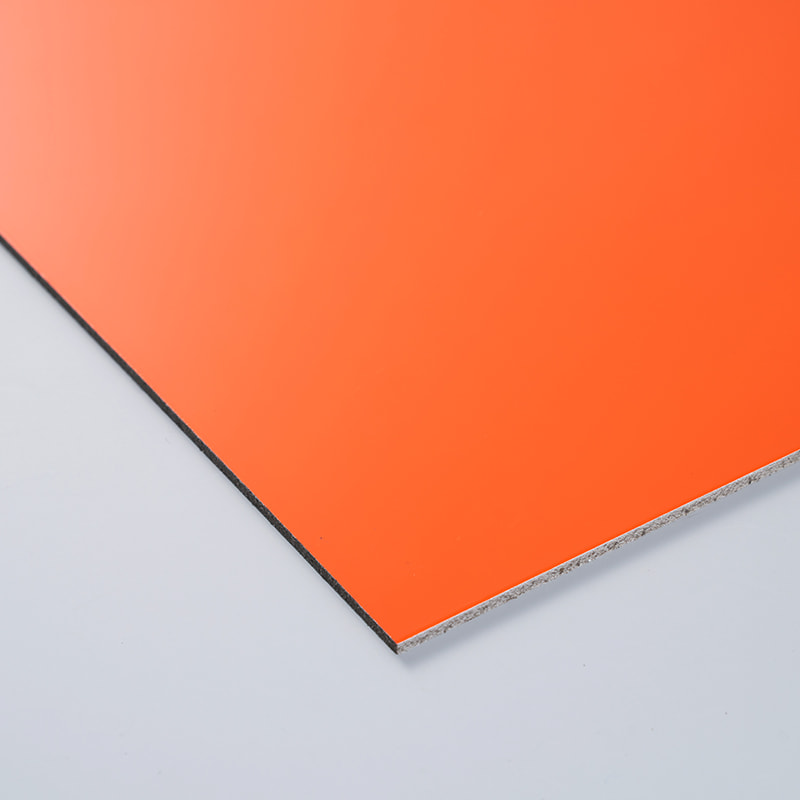
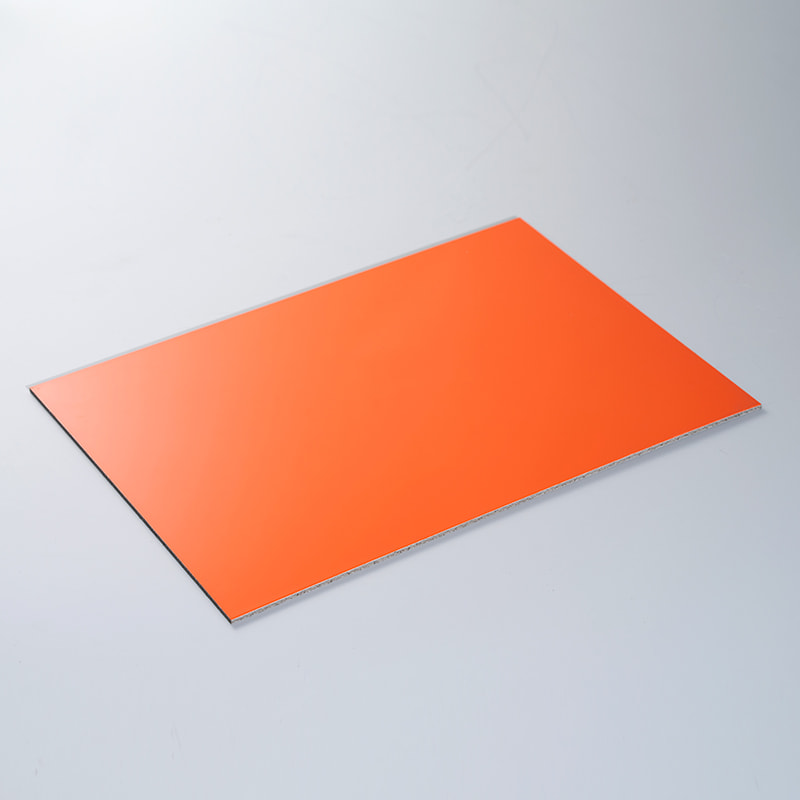 PE Aluminum Composite Panel
 -
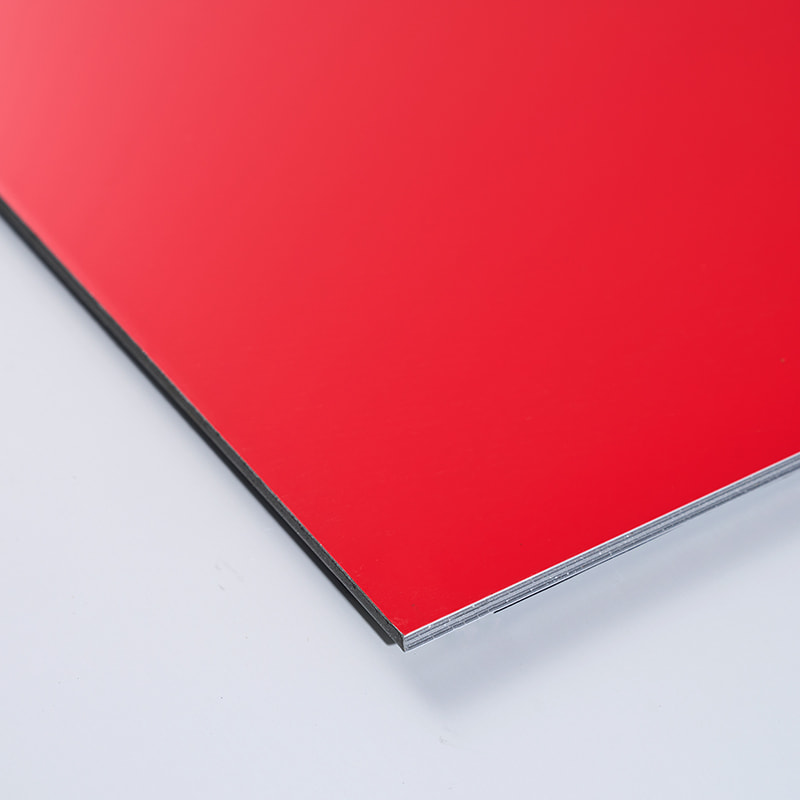
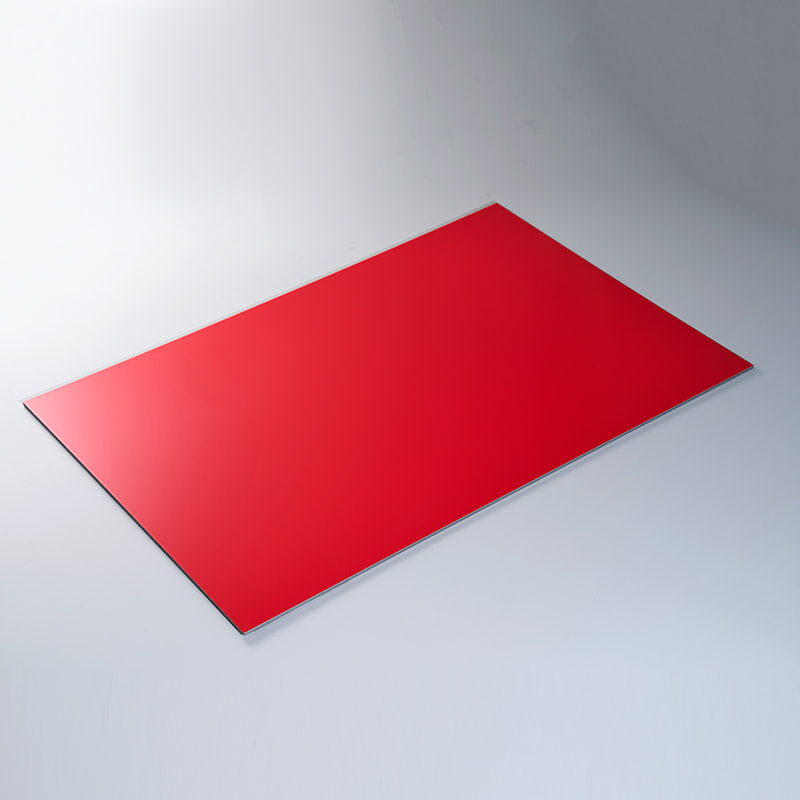 PVDF Aluminum Composite Panel
 -
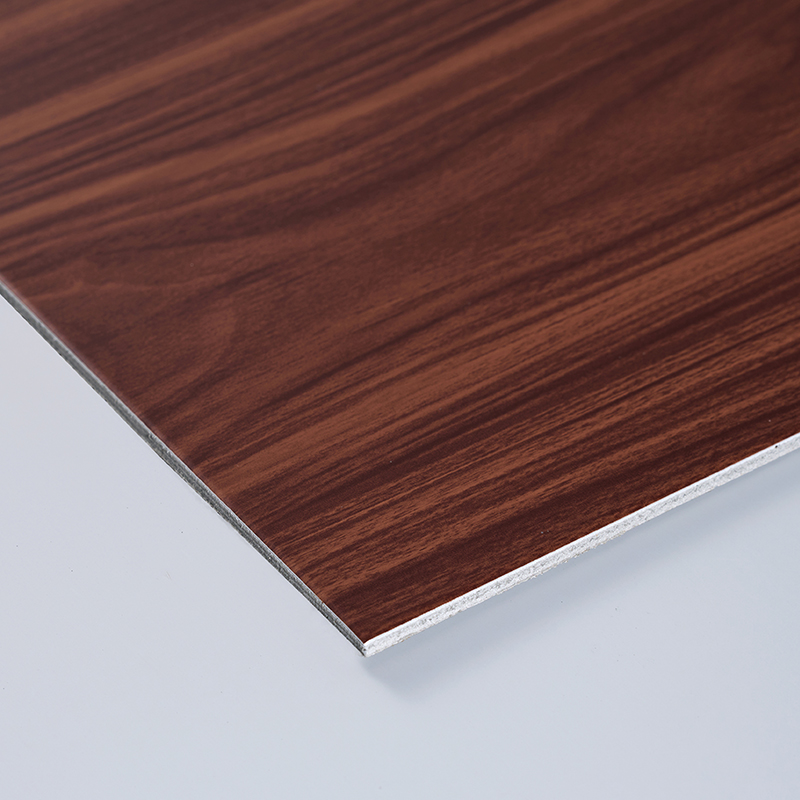
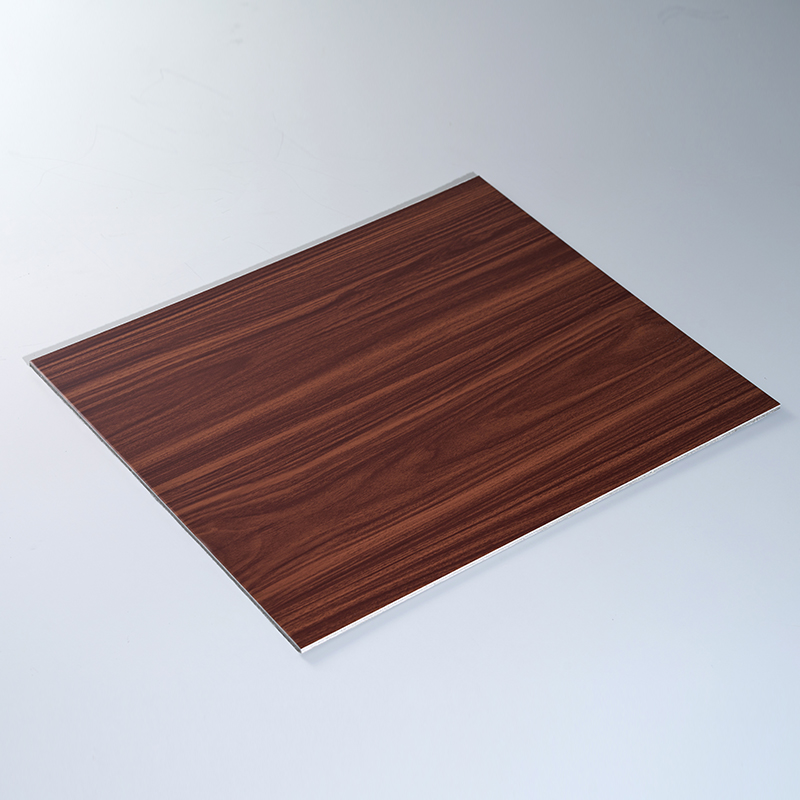 Wood-Grain Aluminum Composite Panel
 -
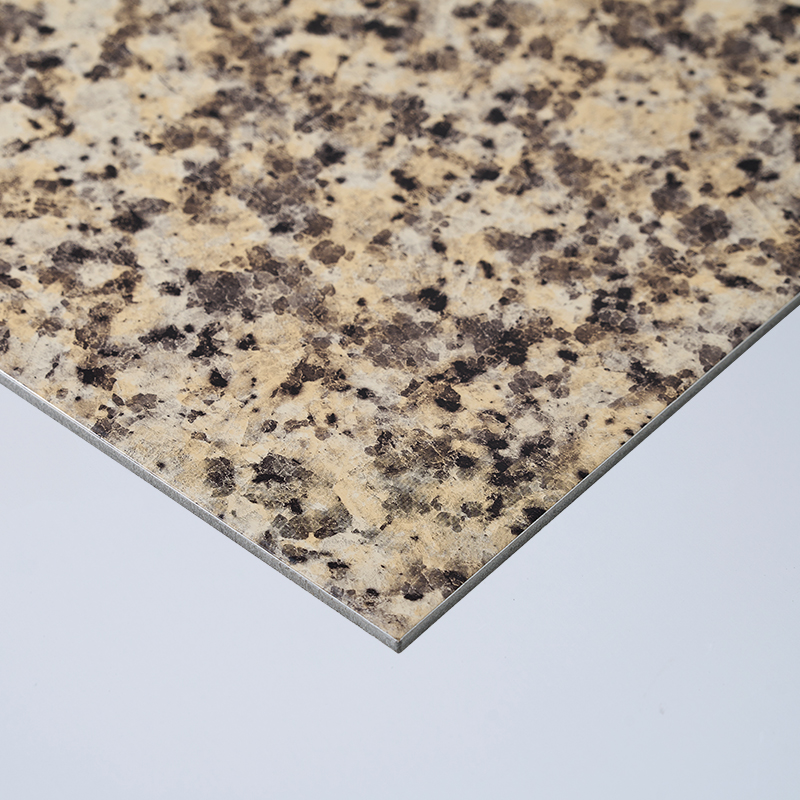
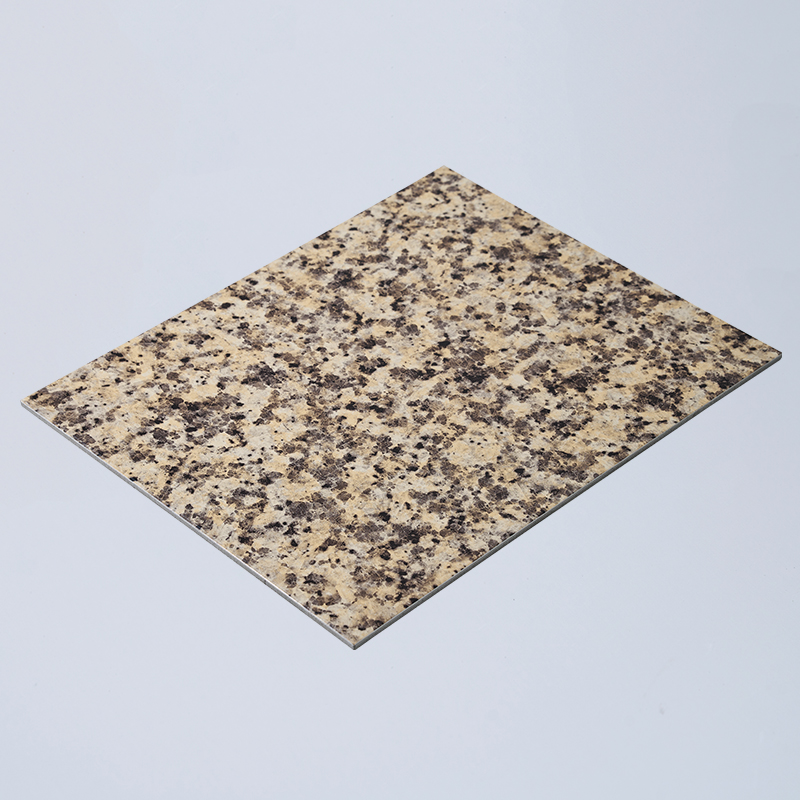 Granite Finish Aluminum Composite Panel
 -
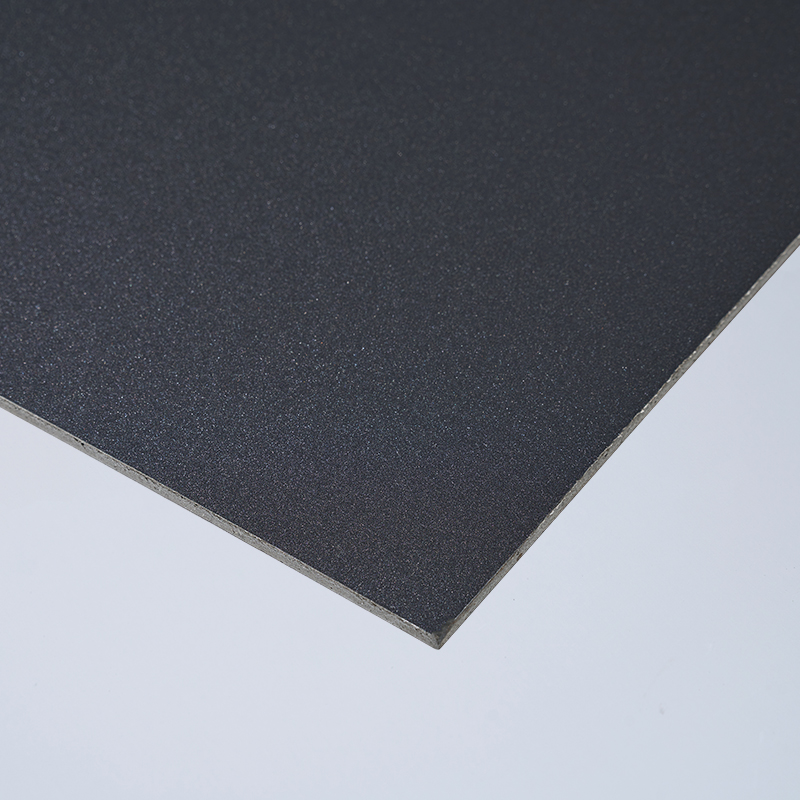
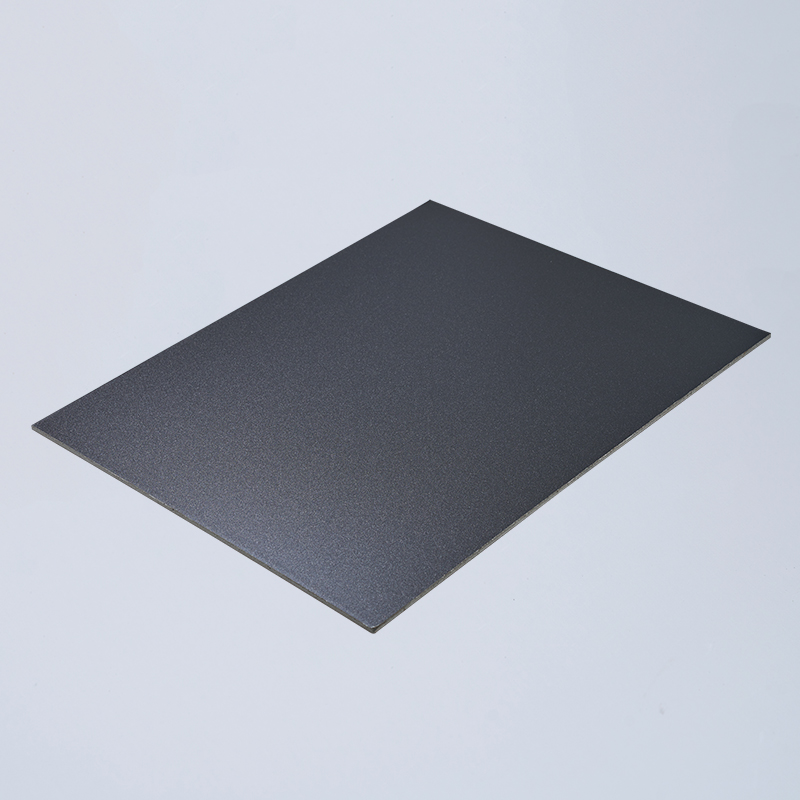 Pearlescent Aluminum Composite Panel
 -
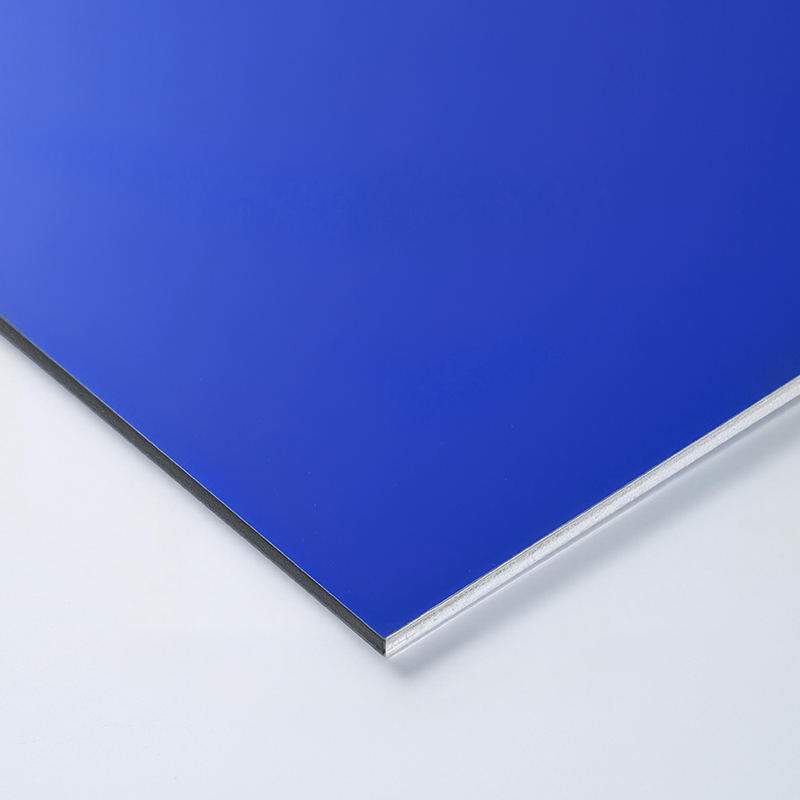
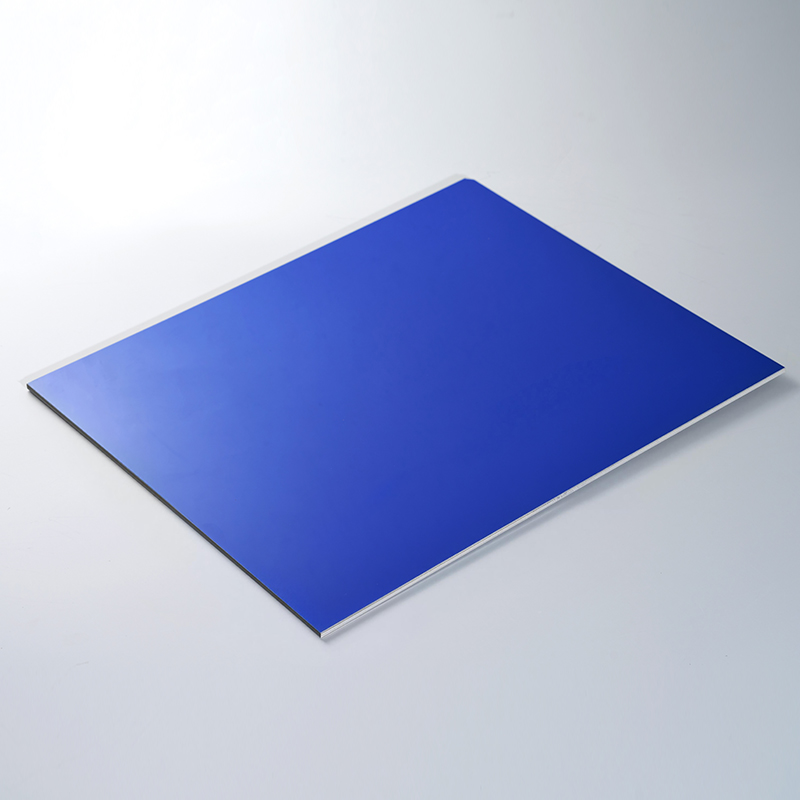 Matt Finish Aluminum Composite Panel
As an aluminum composite panel factory, we fully support personalized customization in terms of specifications, patterns, textures, fire ratings, and shapes.

Copyright © Taizhou Jiaxin New Material Technology Co., Ltd.
All Rights Reserved.
